Antarctica Expedition What to Actually Expect Before Booking
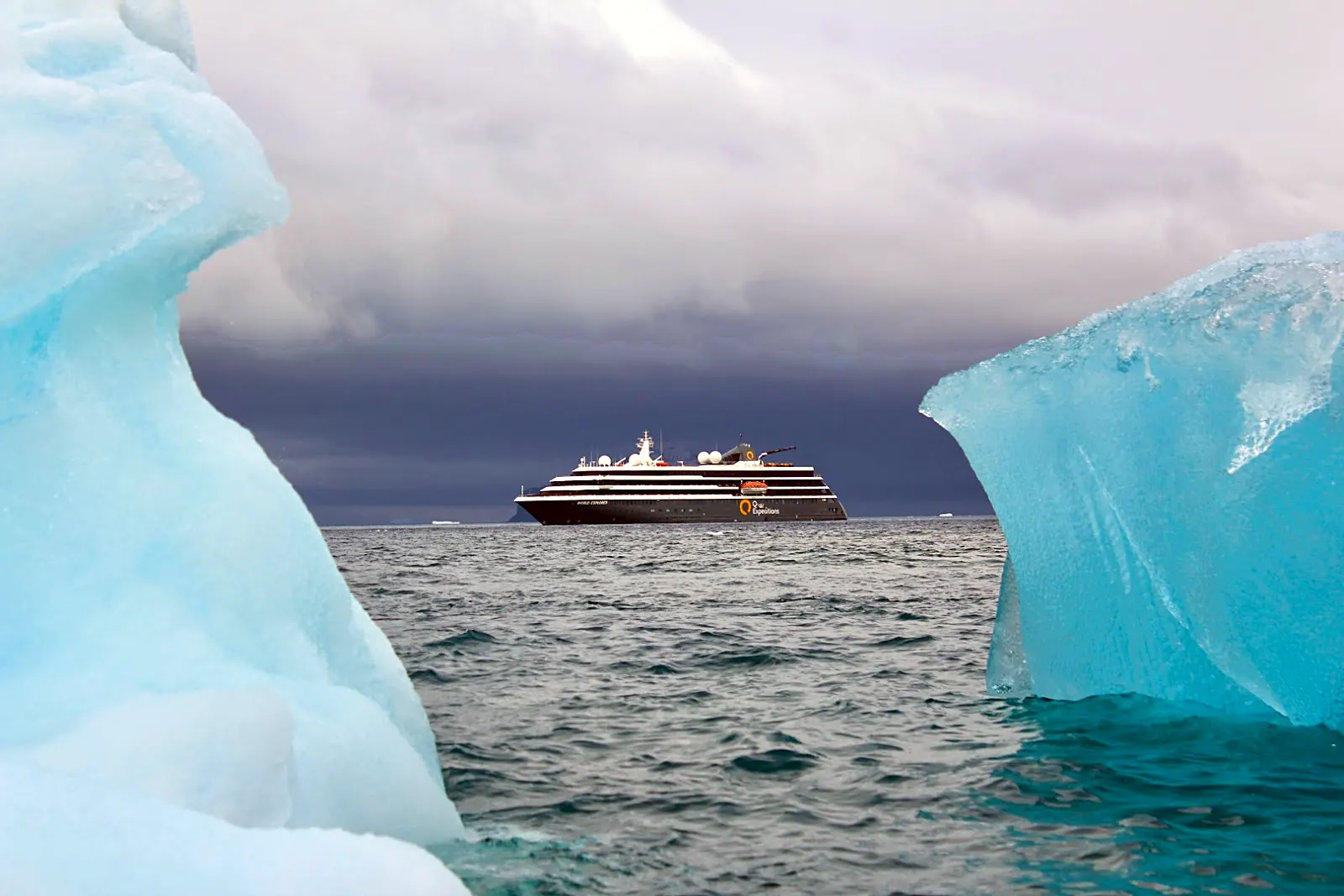
Antarctica marketing photos show one thing: flat water, perfect light, a penguin that looks like it's posing for the shot. Nobody photographs the two days of open ocean it takes to get there, or the itinerary getting rewritten three times in one week because the ice shifted overnight. This is antarctica expedition what to actually expect — the ocean crossing, the landings, the packing list — not the polished version the brochure sells you, because the brochure was written by someone who's never spent a landing day soaked to the knees in a zodiac.
ℹ️ The short version
An Antarctica expedition means a roughly two-day Drake Passage crossing each way, a daily schedule set by weather and ice rather than a fixed itinerary, and days built around zodiac landings instead of ports. Flexibility matters more than luxury here.
Antarctica Expedition What to Actually Expect
There are no ports in Antarctica. The ship anchors offshore, and everything from that point happens by zodiac — small inflatable boats that shuttle groups of ten to fifteen people to shore for a landing, or along the coastline for a scenic cruise if conditions don't allow a landing at all. Nine times out of ten, the expedition leader announces the next day's plan the night before, during a briefing that's part logistics, part educated guess. Ice moves. Wind changes. A landing site that was open Tuesday can be unreachable Wednesday, and the itinerary in your booking confirmation was always a best-case draft, not a promise.
This is expedition travel, not cruise-ship travel, and the distinction matters more than most first-timers expect. There's no formal dining room seating chart drama, no ports of call to explore on your own schedule, no wifi strong enough to stream anything. What you get instead is two landings a day when weather allows — one morning, one afternoon — bookended by long, quiet hours at sea reading, attending lecture briefings on wildlife and glaciology, or just watching the coastline go past from the deck. If you're stacking this onto a longer South America leg, building the connecting days properly around Ushuaia matters more than most people budget for, because weather delays here aren't rare — flights in and out of Ushuaia get grounded by wind more often than travellers expect, and a same-day connection to your ship departure is not a safe bet.
Three Days That Look Nothing Like Each Other
Most Antarctica expeditions run 10 to 12 days round-trip from Ushuaia, and no two days on it resemble each other. It's worth walking through what the extremes actually look like, because the marketing photos only ever show the middle one.
Day One: The Drake Passage, Whether You Like It or Not
Getting to Antarctica from Ushuaia means crossing the Drake Passage — roughly two days of open ocean between South America and the Antarctic Peninsula, with no land to break the swell in either direction. Sailors call the calm version the "Drake Lake" and the rough version the "Drake Shake," and you genuinely don't find out which one you booked until you're already on it. (This is not a detail travel agents lead with.)
Most seasoned expedition crews will tell you the same three things: take seasickness medication before you feel anything, book a cabin mid-ship and as low as your budget allows, since it moves less than the upper decks, and treat day one and two as write-offs for anything more ambitious than reading and staring at the horizon. Nobody's holiday photos are from the Drake Passage. That's fine. It's not supposed to be the highlight.
A Landing Day: Zodiacs, Layers, and a Ten-Minute Weather Window
A landing day starts early, with an announcement over the ship's intercom telling you which group is up first. Groups rotate — expedition ships cap how many passengers can be ashore at once, an international agreement most guests only learn about once they're waiting their turn. You'll layer up, collect your boots at the mudroom (most operators provide rubber boots and sometimes the outer parka), and board a zodiac in groups of ten.
Once ashore, you get anywhere from 45 minutes to two hours depending on weather and wildlife activity, usually spent walking a marked route past a penguin colony or seal haul-out, guided by expedition staff who are stricter about the boundary lines than you'd expect. Then back to the zodiac, back to the ship, dry clothes, and a recap briefing before the next landing. It's less a leisurely shore excursion and more a tightly run operation with weather as the variable nobody can control.
The Rule of Thumb: Pack for Four Seasons, Not for the Coldest Day
The rule of thumb that actually holds up: dress like your day starts at minus five on an open deck and ends sweating in a heated lounge two hours later, because it will. Three layers, minimum — a wicking base layer, an insulating mid layer, and a genuinely waterproof and windproof shell, not a shell that's waterproof in the way a lot of ski jackets are "waterproof." Bring two pairs of gloves, because one pair will be wet by lunch and you will not have a radiator to dry them on.
Waterproof boots and gaiters are usually provided by the operator — worth confirming before you buy your own pair, since a spare pair of expedition boots is not a small suitcase item. A dry bag for your camera is worth the extra weight; zodiac spray finds every gap in a regular backpack, and salt water is not forgiving to electronics. Everything else, layer it and be ready to strip a layer the moment you're back in the heated lounge. Nobody regrets overpacking thermal layers on this trip. Several people regret the merino wool base layer they bought specifically for it and then never wore anywhere else again — it becomes, permanently, the Antarctica sweater.
What Vani Can (and Can't) Do for an Antarctica Trip
Vani can handle everything around the expedition: flights into Ushuaia or Buenos Aires, hotel nights on either side (build in a buffer night before departure — Patagonian weather delays flights more often than people plan for), visa requirements for Argentina or Chile depending on your route, travel insurance built for remote and extreme destinations, and the current weather and monthly climate normals for Ushuaia so you're not guessing what to pack for the days before you board. It can also sort an eSIM for the legs where you'll actually have signal, which is every day except the ones that matter for this article, and pull up travel vlogs from past expedition sailings so you can see the zodiac landings before you've booked one yourself.
What it can't do is book the expedition cruise itself. Polar operators aren't in G8Trip's flight or hotel search — this is exactly the kind of high-cost, multi-week booking where forty browser tabs comparing operators is still, honestly, the current state of the art. For something this specific, talking to a human expert beats a chatbot every time. I built an AI travel assistant for a living. I'd still call a person for this one.
Do I need previous cruise experience for an Antarctica expedition?+
How rough is the Drake Passage crossing really?+
What's the best time of year for an Antarctica expedition?+
Do you need a visa for an Antarctica expedition?+
Can Vani help plan a trip like this?+
Somewhere around the third layer of merino wool, you stop thinking about the itinerary and start thinking about whether your gloves are actually waterproof. That's the moment you're ready. Antarctica was never going to run on your schedule anyway.
Ready to plan your trip?
Let Vani, our AI travel assistant, build your perfect itinerary.
Start planning for free →