
Bali Like a Local Has Hidden Spots Most Tours Ignore
Bali has been thoroughly documented. This is not a criticism — it is simply an observation that most travellers arrive knowing exactly which rice terrace they want to photograph, which temple to catch at sunset, and which stretch of Seminyak beach to park themselves on.
The bali like a local experience is harder to find than those five stops. The hidden spots — the ones worth the slight detour — are not secret. They are just not on the main circuit that most itineraries never deviate from. The tourist trail in Bali is extremely efficient at delivering the same eight experiences in the same order to several million people a year. If you want something different, you need a slightly different plan.
The good news: that plan does not require leaving the island. It mostly requires going north, east, or slightly earlier in the morning than the tour buses.
ℹ️ The Short Answer
Bali's least-crowded, most rewarding spots — north Bali highlands, the east coast, Nusa Lembongan, and the temples outside the Ubud-Uluwatu circuit — are all accessible within a standard 7-10 day trip. Most are 30-90 minutes from the southern tourist cluster by car.
The Hidden Spots in Bali Like a Local Actually Visits
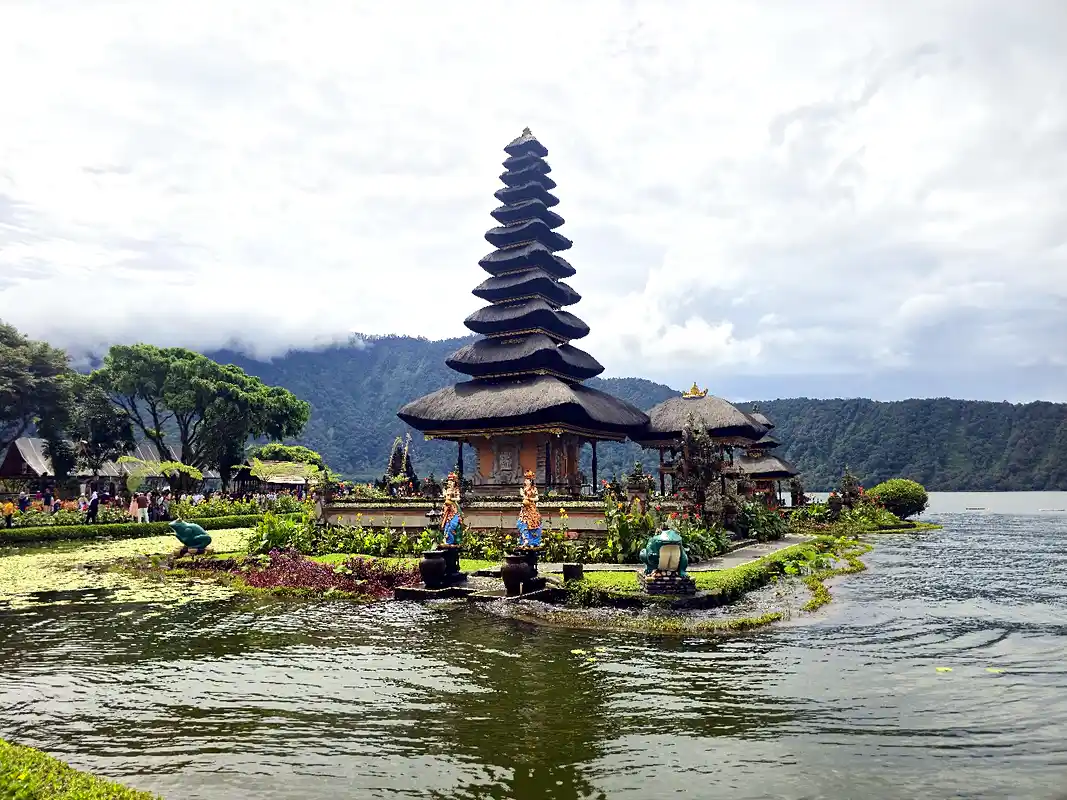
The main tourist circuit in Bali is not wrong — it covers genuinely good places. Ubud has real cultural depth. Uluwatu's clifftop temple is worth seeing. Seminyak Beach is functional. The problem is not the destinations. It is the density: everyone is doing the same route, in the same direction, at the same time.
Experiencing Bali like a local means two things in practice. First, visiting the same places at different times (Campuhan Ridge Walk at 6am, not 10am). Second, visiting different places entirely — the north coast, the east coast, Nusa Lembongan rather than Nusa Penida, the rice terraces in Sidemen rather than the photographed-to-exhaustion Tegallalang.
None of this requires a motorcycle and a spirit of adventure (though both help). It requires an itinerary that deliberately allocates two or three days away from the south.
North and East Bali: The Version Without the Tour Buses
Munduk and the North Highland Villages
Munduk sits in the north-central highlands at about 1,000 metres and exists in a different climate from the south. It is cooler, forested, and organised around coffee and clove plantations rather than surf schools and villa compounds.
The draw is straightforward: waterfalls (Munduk Waterfall and the nearby Twin Waterfalls take about two hours by foot), plantation walks, and the absence of the late-afternoon Ubud gridlock. The lake at Tamblingan, about 20 minutes away, is one of the quieter temple settings in Bali — a small boat across the water to a lakeside pura takes about an hour and costs almost nothing.
Munduk works well as a one or two-night stop between the north coast and Ubud. Most itineraries drive straight through the highlands on the way to Singaraja without stopping. This is the kind of decision that seems efficient at the time and frustrating in retrospect once you've seen photographs of what you passed.
Amed on the East Coast
Amed is a string of fishing villages on Bali's northeast coast, roughly 2.5 hours from Seminyak. The drive there is already interesting — past Besakih (Bali's mother temple, worth a stop), through volcanic landscape around Mount Agung.
Amed is primarily a diving and snorkelling destination — the Japanese Shipwreck, sunk in World War II in about 30 metres of water, is one of the better wreck dives in Southeast Asia. But it also works as a rest from the south for people who don't dive. The black sand beaches are calmer than anything on the west coast. The sunrise over Lombok is, objectively, better than many sunsets in Seminyak that people drive 40 minutes to watch.
Accommodation in Amed is cheaper than the south by a significant margin. The restaurants are fewer and more honest. The crowd is predominantly independent travellers rather than organised tour groups, which shifts the atmosphere noticeably. Two nights is about right for non-divers; three to four nights for anyone who wants to explore the underwater sites properly.
What Ubud Locals Do Before 8am (And Why It Matters)
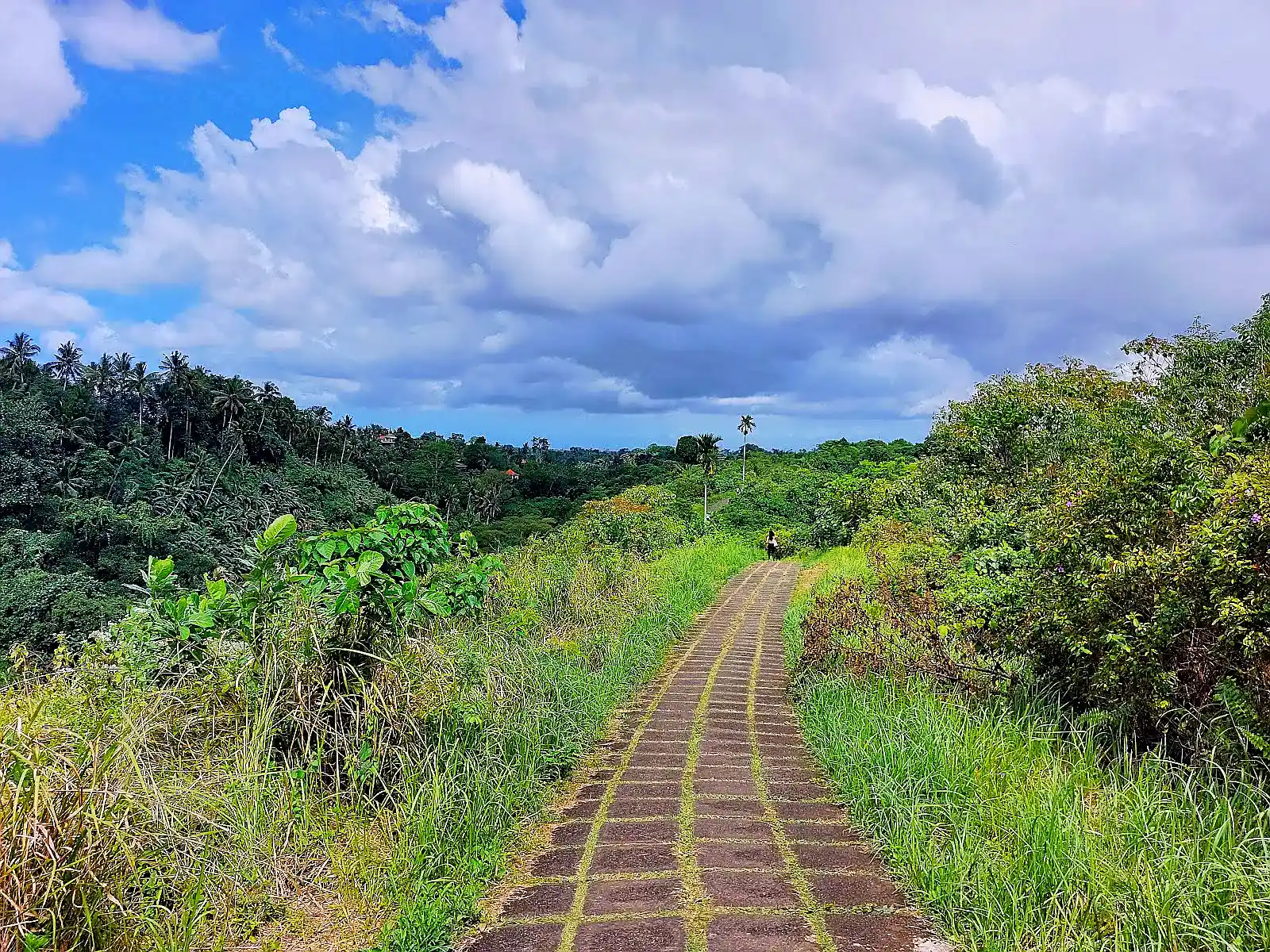
The Campuhan Ridge Walk is a 9km path through rice fields and valleys just outside Ubud's centre. By late morning it is photogenic and crowded. Before 7am it is quiet, cool, and worth the early alarm.
This is the pattern for most of the things that make Ubud worth visiting: the morning market at Jalan Raya Ubud, where locals shop before it converts into a tourist market by 8am; Tirta Empul temple for its water purification ritual, which is less performative mid-week and early morning; the Tegallalang rice terraces, which photograph well at dawn before the entrance fee hawkers set up.
None of this is a secret. It is simply that most visitors are not organised enough to execute a 6am start on what is meant to be a holiday. (This is a completely reasonable position. The rice terraces are still pleasant at 10am. The ridge walk is still pleasant at 10am. It just involves sharing the path.)
💡 On the Pura Luhur Batukaru Detour
Pura Luhur Batukaru, in the west Bali highlands, is one of the island's most sacred temples and consistently receives a fraction of the traffic that Tanah Lot does. The drive through the rice terraces above Tabanan is, arguably, the point — and takes about 90 minutes from Ubud.
Nusa Lembongan Over Nusa Penida for Most Travellers
Nusa Penida has become the default day trip from Bali — Kelingking Beach and the T-Rex cliff have been on every travel feed long enough to generate genuinely impressive visitor numbers. It is worth visiting. It is also worth knowing that most of the best viewpoints involve a significant hike in heat, and the island's roads are uneven enough that scooter hire requires a realistic assessment of your ability.
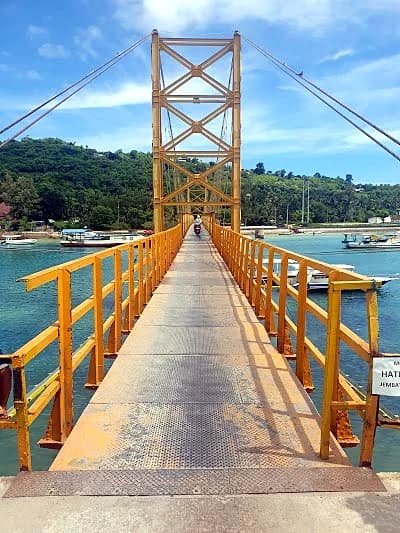
Nusa Lembongan is the quieter alternative one boat ride away. Smaller, easier to navigate, and better suited to a one or two-night stay. The snorkelling at Crystal Bay and around Mushroom Bay is better than most of the south Bali coast. The island is flat enough that a bicycle covers the main sites comfortably. No significant cliffs required.
For a first trip to Bali, Lembongan is the more manageable offshore escape. Penida makes more sense for repeat visitors or anyone whose primary goal is the specific photographs — in which case there is an entire Instagram of prior art to establish exactly what the experience will involve.
One Rule of Thumb for Bali Like a Local Planning
The standard Bali trip clusters in the south: arrive in Kuta or Seminyak, move to Ubud for two or three nights, end at Uluwatu or Canggu. This covers about 15% of the island.
Rule of thumb: add one northward or eastward allocation per trip. For a 7-day trip, that means one night in Munduk or Amed. For a 10-day trip, it means building the north coast into the route — Lovina, Singaraja, down through the highlands to Ubud. The north Bali coastal stretch (black sand beaches, fewer tourists, dolphins at Lovina if you're out early enough) gives a different version of the island that most people only discover on their second visit.
The useful framing: Bali's south is where you land. The rest of the island is where you see why repeat visitors keep coming back.
How Vani Helps With Bali Trip Planning
If you want to build a Bali itinerary that includes the north or east alongside the standard circuit, Vani can map out a day-by-day plan that accounts for the driving times, the day-trip logistics, and the hotel options at each stop — including Amed and Munduk, where the inventory is smaller and advance planning matters more.
She can also search live flights from your city and find hotels across the range from budget guesthouses to mid-range villas. For Bali specifically, the price difference between the south and the north or east is significant — you often spend less and see more by spending nights outside Seminyak.
What Vani won't do: she won't pretend that Amed has the nightlife of Seminyak or the rice-terrace density of Ubud. She'll tell you what each stop has and let you decide whether that matches what you actually want from the trip. That distinction matters more in Bali than almost anywhere else, because the island accommodates very different kinds of traveller — and they are often on very different trips.
What does it mean to experience Bali like a local?+
What are the best hidden spots in Bali?+
Is north Bali worth visiting?+
How do I get to Amed from Ubud?+
How can Vani help me plan a Bali itinerary with offbeat spots?+
Bali's tourist trail is popular for good reason. The offbeat version is better for the same reason — except with fewer people in the frame. That sounds like a simple upgrade. It mostly is. The main obstacle is an itinerary that nobody reviewed before the flight was booked.
Ready to plan your trip?
Let Vani, our AI travel assistant, build your perfect itinerary.
Start planning for free →