
Best Coolcation Destinations in Europe 2026, Explained
Search interest in the best coolcation destinations in europe 2026 has climbed sharply this year, according to travel search data reported by Euronews, as travellers quietly reroute around Mediterranean heatwaves rather than fight through them. Flights to Spain, Italy and Greece haven't gotten any cheaper despite daytime highs flirting with the mid-forties most of the summer - it's just that a growing number of people are looking elsewhere first. Northern Europe has always been an option. What's new is that enough people are actually booking it that hotel prices in Copenhagen and Oslo are starting to notice. Here's what the trend actually looks like on the ground, who it suits, and where it falls apart if you book it for the wrong reason.
📌 The numbers behind the trend
European search interest in cooler-climate destinations was up 74% year-on-year in the first half of 2026, and Copenhagen hotel searches on Hotels.com reportedly jumped 246% after May's first heatwave (per Euronews reporting this summer). Scandinavia, Ireland and the cooler pockets of southern countries are getting real bookings, not just headlines.
Coolcations Aren't New. The Numbers Behind Them Are.
The 'coolcation' isn't a new invention - Scandinavia, Scotland and Ireland have been cooler-climate options for as long as budget airlines have flown there. What's changed is the scale. Euronews reported European search interest in cooler-climate destinations up 74% year-on-year in the first half of 2026, and hotel search data for Copenhagen specifically was up 246% following May's first major heatwave. Forbes' coverage of the trend in mid-August described it as a slow but real shift in EU summer travel patterns, not a one-season blip. None of this means Santorini is empty - it isn't. It means a meaningful slice of travellers who'd normally default to the Mediterranean are now checking the forecast before the flight price, and increasingly choosing accordingly. This is a different reaction to the same heatwaves that have been forcing flight weight restrictions and delays elsewhere this summer - one is travellers working around a hot destination once they've committed to it, this is travellers not committing to one in the first place.
The Best Coolcation Destinations in Europe 2026, By Trip Type
'Coolcation' covers three genuinely different trip types, and conflating them is how people end up disappointed. There's the Nordic capital city break, the cooler-region-within-a-hot-country option, and the long-standing Ireland-and-Scotland default that never needed a new name. Picking the right one depends on what you actually want - a city with good restaurants and mild evenings, a familiar Mediterranean-adjacent culture without the heat, or genuinely green, cool countryside.
Nordic Capitals: Copenhagen, Oslo and Stockholm
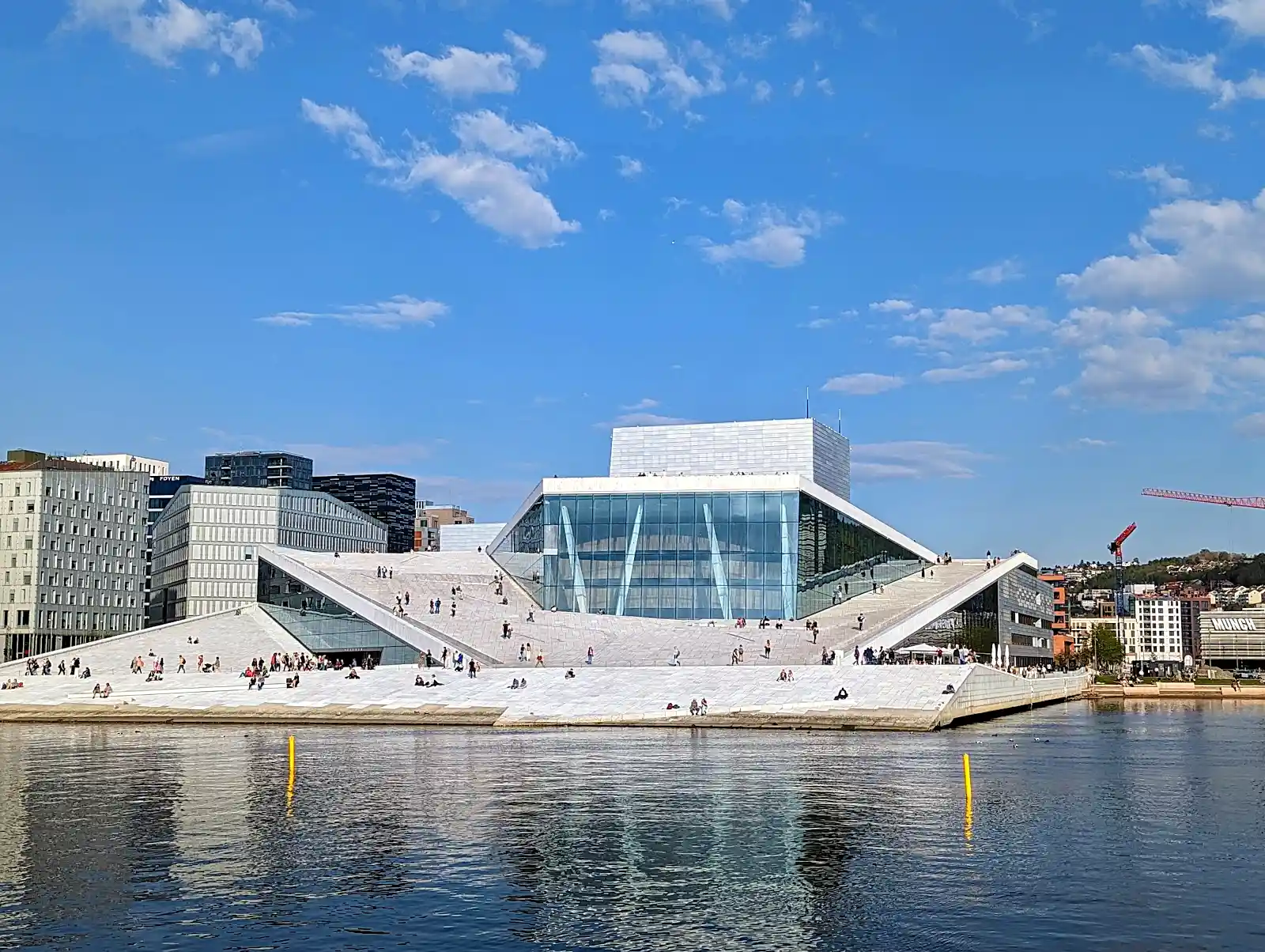
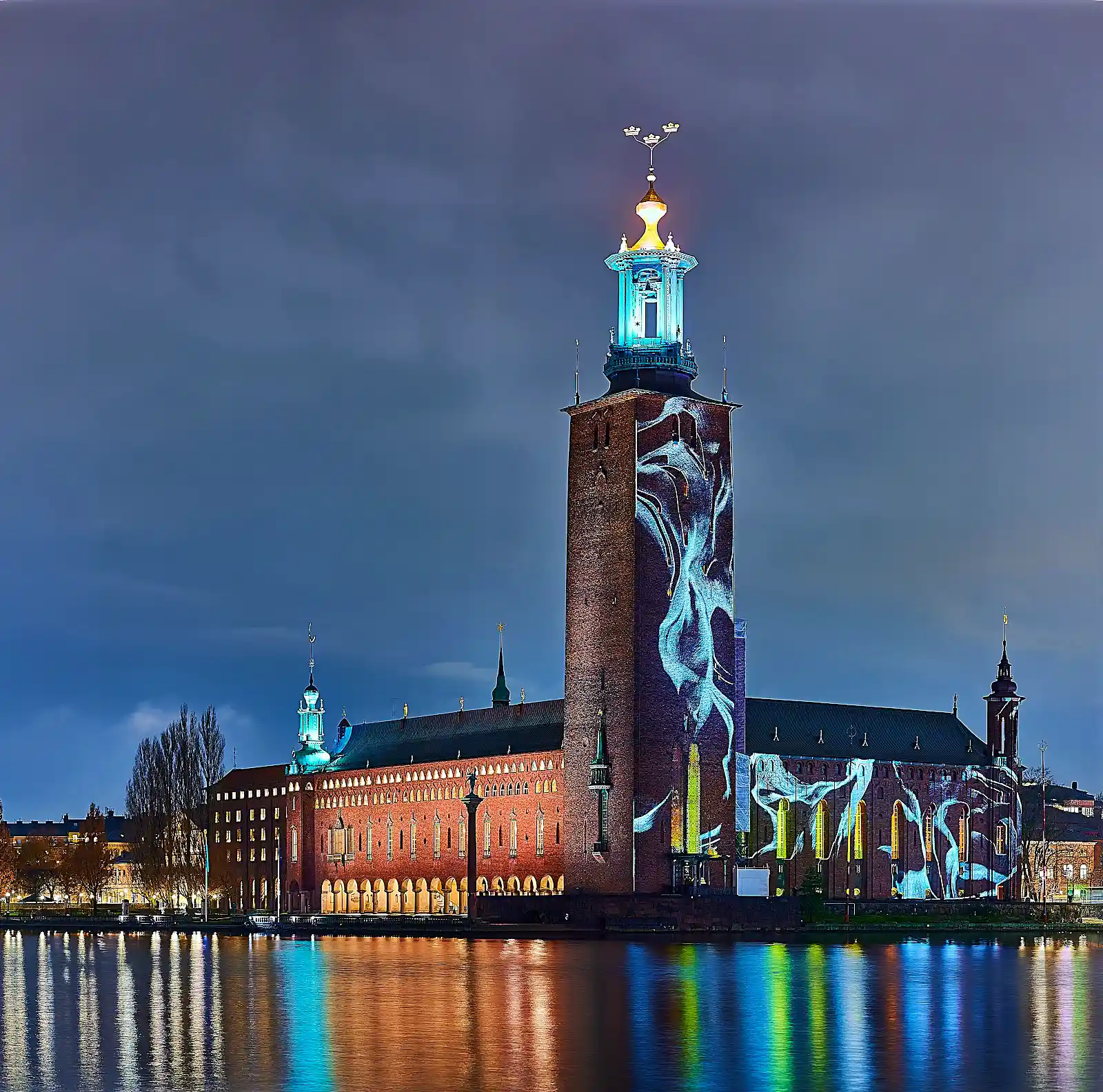
Copenhagen, Oslo and Stockholm all deliver the city-break version: walkable centres, strong food scenes, and summer daytime temperatures that rarely trouble 25°C even in a warm year. Copenhagen shows up most in the booking data, likely because it's the easiest to combine with a second European city on the same trip. All three get genuinely long daylight hours through July, which does most of the heavy lifting on making a mild-weather city break feel like a proper summer holiday rather than a compromise. The trade-off is the one every Nordic-city visitor already knows: restaurant and hotel prices sit closer to a Mediterranean high season than a shoulder season, heatwave or not.
The Cooler North of Warm Countries: Galicia, Alsace, Trentino-Alto Adige
If a full Nordic trip feels like too much of a departure, the cooler regions inside otherwise-hot countries do a lot of the same work with less change to your original plan. Galicia, in Spain's northwest, runs noticeably cooler and wetter than Andalusia or the Costa del Sol. Alsace, tucked into France's northeast, trades the Riviera's heat for vineyards and a climate closer to bordering Germany. Trentino-Alto Adige, in Italy's Dolomites-adjacent north, is a genuinely different country's worth of climate from Sicily despite sharing a passport stamp. All three keep the culture, food and language you booked the trip for - just further from the coastline everyone else is fighting over.
Ireland and Scotland: The Original Coolcation, Nobody Called It That
Ireland and Scotland have quietly been the original coolcation the entire time; they just never needed marketing language to describe 'it rains a bit and rarely gets above 20°C.' Both offer green countryside, long summer evenings, and a lower chance of a heat-driven flight delay than most of the destinations currently making headlines for exactly that. An offbeat Highlands route works well as a coolcation itinerary in its own right - the Cairngorms and Loch Lomond are built for exactly this kind of trip. Neither country will give you guaranteed sun. If guaranteed sun was ever the actual goal, this summer's Mediterranean heatwaves suggest it's not a reliable one anyway.
The Rule of Thumb: Match the Activity to the Climate, Not the Destination to the Trend
A coolcation built around beach time in Ireland will disappoint - it's not that kind of beach weather, this year or most years. A coolcation built around hiking, city walking, food and long evenings works across all three categories above. The rule of thumb: if your original itinerary was heavy on 'lying by a pool,' a straight swap to Copenhagen won't replicate it, and you'll spend the trip mildly annoyed about weather that was never the point. If it was heavy on walking, eating and being outside without needing shade, the coolcation version is very likely a genuine upgrade, not just a workaround. Pack for both - a Nordic 22°C day still cools off fast once the sun's lower in the sky, and 'coolcation' doesn't mean cold, it means not-forty-degrees. A light jacket for the evening does more work than a second sunscreen bottle.
What Vani Actually Does With a Coolcation Booking (and What It Won't Predict)
Vani can build an itinerary around any of the destinations above the same way it builds one for Bali or Rajasthan - ask for a Copenhagen city break or a Galicia road trip and it'll sequence stops, pull flight and hotel options, and flag visa or eSIM needs the same way it would for anywhere else. Where it's genuinely useful this particular summer: checking the forecast for wherever you're deciding between, so 'is it actually cooler there right now' is a two-minute conversation instead of five open tabs of conflicting weather sites. What it can't do is guarantee the trend holds past this summer - whether coolcations are a lasting shift or a heatwave-driven blip is a question for climate data over several more years, not a travel assistant. Book the destination you'd enjoy even if the weather turns out average. That part doesn't need forecasting, and it's the same advice I'd give for any trip, coolcation or not.
Frequently Asked Questions
Is Scandinavia actually cheaper than southern Europe this summer?+
Will the coolcation trend make Copenhagen and Oslo overcrowded?+
What's a good coolcation option that isn't a big Nordic city?+
Is a coolcation worth booking if I'm not trying to escape a heatwave?+
The Mediterranean isn't losing customers. It's just gained a genuine rival for the first time in decades, and that rival's biggest selling point is that it never asked you to be awake by 6am to claim a sun lounger. Coolcations aren't a downgrade. They're what happens when a forty-degree day finally beats a decade of habit.
Ready to plan your trip?
Let Vani, our AI travel assistant, build your perfect itinerary.
Start planning for free →