
Caribbean Travel During Hurricane Season 2026 Isn't a Gamble
Caribbean travel during hurricane season 2026 sounds like a contradiction to anyone who's never actually read a forecast cone. The season runs June through November, peaks around 10 September, and produces exactly the kind of ominous satellite graphic that makes travellers cancel trips over storms sitting three islands away from where they're actually staying. Meanwhile, Caribbean bookings for this stretch are up 21% year over year, according to a Caribbean Journal report published this month — which tells you two things: prices drop hard enough in the off-peak months to be worth it, and most travellers who go anyway have a completely uneventful trip. The risk is real. It's just smaller, more specific, and far more manageable with the right booking and insurance choices than the season's reputation suggests.
ℹ️ The Short Version
Hurricane season (June–November) doesn't mean constant storms. NOAA's 2026 outlook forecasts 8–14 named storms and 3–6 hurricanes across the entire six-month Atlantic season. Most days, in most places, nothing happens. Book refundable, buy named-storm insurance, and check the specific week — not the whole season.
What Hurricane Season Actually Means for a Caribbean Trip
The Atlantic hurricane season runs 1 June to 30 November every year, with the historical peak falling around 10 September — a statistical marker, not a guarantee that anything happens that particular week. NOAA's 2026 outlook calls for a below-normal season: eight to fourteen named storms total, of which three to six are expected to strengthen into hurricanes, spread across six months and a basin covering the entire Atlantic, Caribbean, and Gulf. Most named storms never come near a specific island chain, let alone the resort you've actually booked. (The cone everyone screenshots is a five-day probability field, not a directions app.) Most years, only a small fraction of the season's named storms make direct landfall on a populated island — plenty track through open water, curve north into the Atlantic well clear of land, or weaken to a tropical storm before reaching anywhere with a booking attached to it.
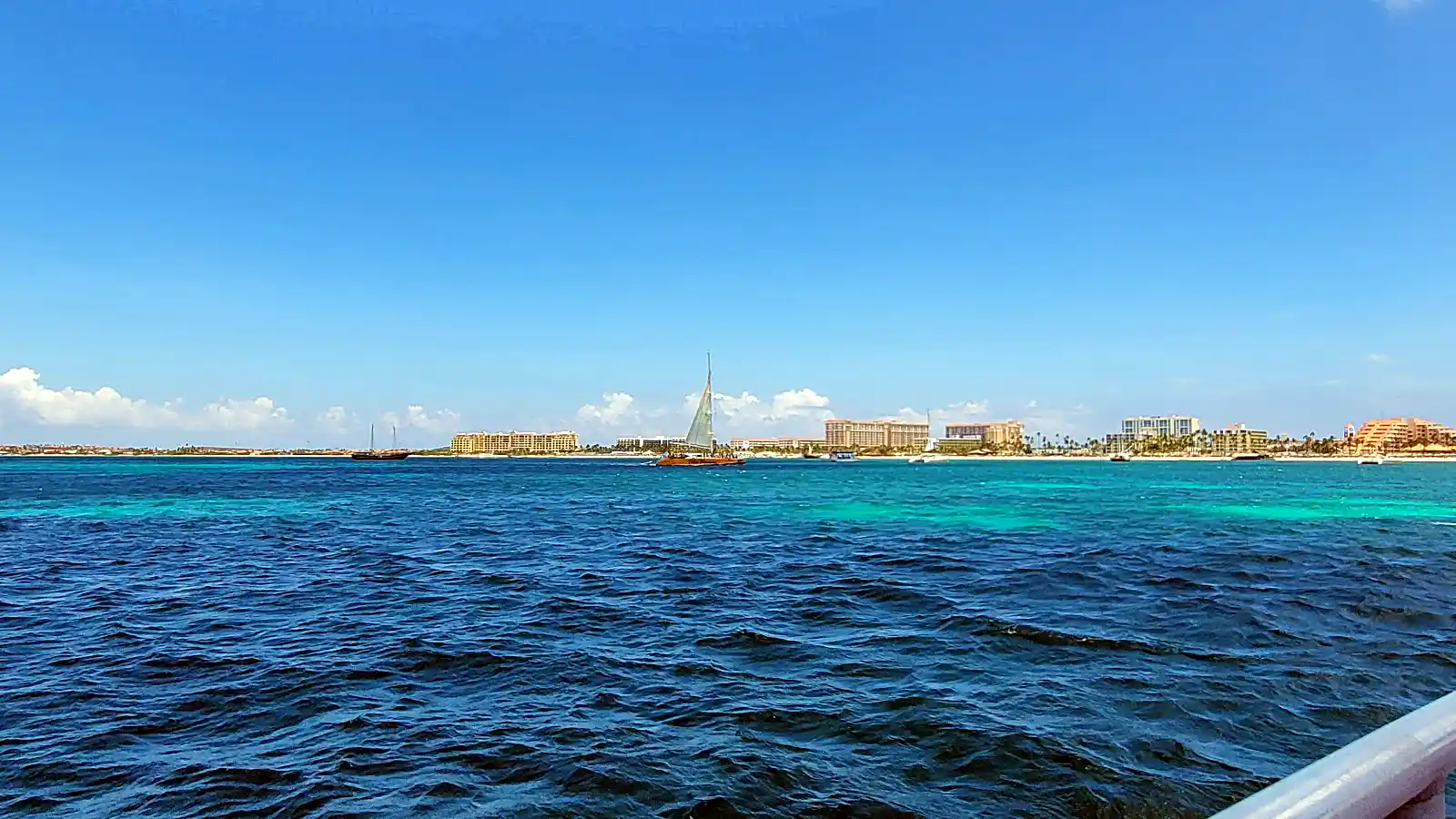
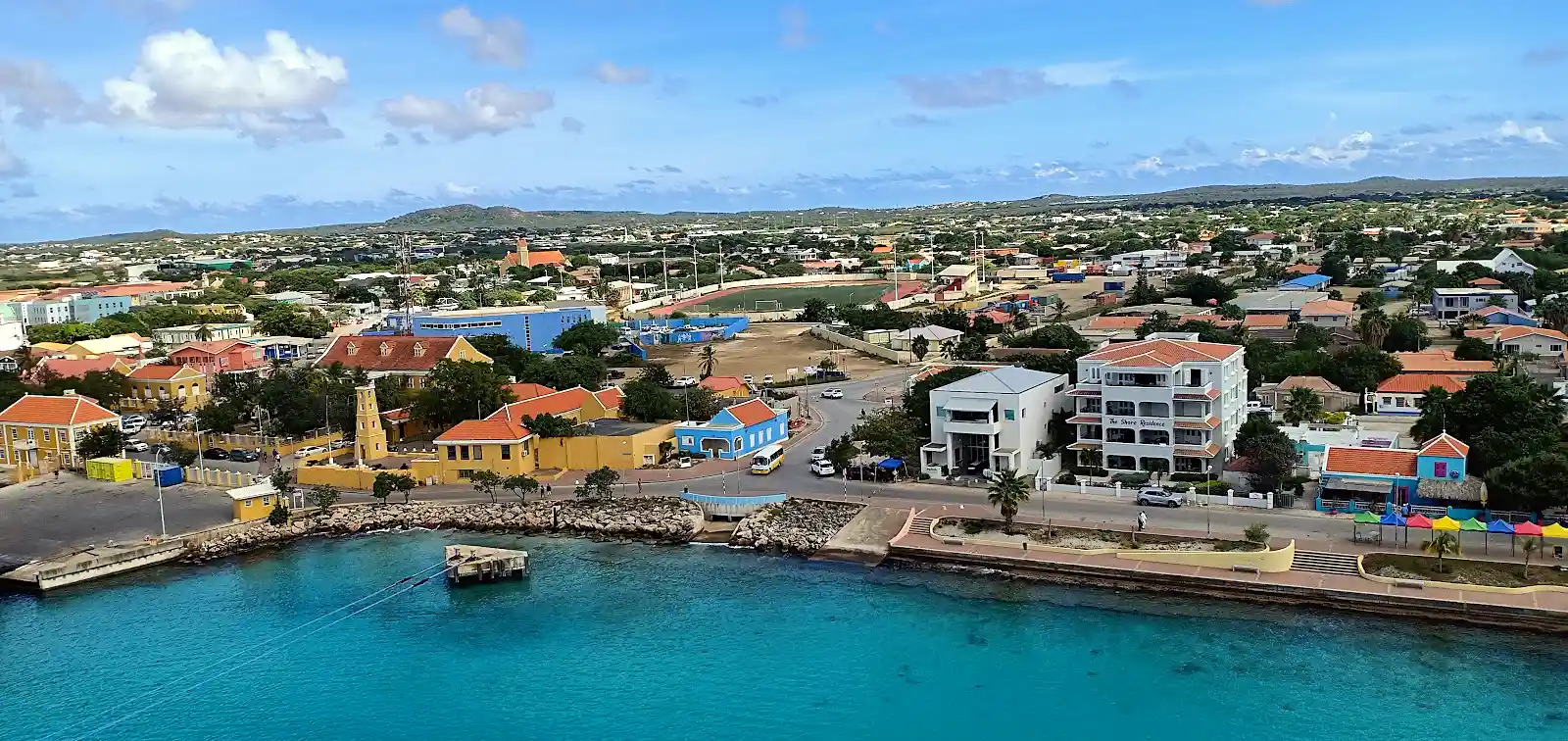
The confusion comes from treating "hurricane season" as one continuous event instead of a window in which a handful of discrete storms might happen, on specific dates, tracking specific paths. A storm hitting Jamaica in late August tells you nothing about whether Aruba is at risk that same week — the southern Caribbean (Aruba, Bonaire, Curaçao) sits far enough south and west of the main hurricane belt that direct hits are historically rare, which is exactly why those islands market themselves on that fact.
How to Actually Plan a Trip Around the Season
Cancelling an entire Caribbean trip because it falls inside a six-month season is treating a probability like a certainty. A better approach is timing and paperwork — book the right stretch, and cover yourself properly for the part you genuinely can't predict.
Pick the Right Window and Island
Late June through July, and late October through November, sit inside the season but see historically lower storm activity than the August–October core. If your dates are flexible, shifting even two to three weeks either side of the mid-September peak meaningfully changes the odds, without giving up the season's steep discounts. If your dates aren't flexible — a wedding, a fixed leave block — lean toward the southern islands (Aruba, Bonaire, Curaçao, Trinidad) that sit outside the primary hurricane track rather than the northern arc (Bahamas, Turks and Caicos, most of the Greater Antilles) that sees more direct hits. Trinidad in particular sits close enough to the South American coast that it's been struck by a hurricane only a handful of times in the past century — a genuinely different risk profile from islands further north and east.
Buy Insurance That Actually Covers a Named Storm
Standard travel insurance rarely covers "I got nervous." What you want is named-storm or hurricane coverage specifically — it typically lets you cancel and get reimbursed once a storm is named and tracking toward your destination within a set window before departure, usually 24 to 72 hours depending on the policy. Buy it when you book, not the week before you fly; most policies have a lockout period after a storm is already named, which defeats the purpose if you wait. Read the specific trigger clause — some policies pay out on a hurricane watch, others require a full warning, and that difference has decided plenty of insurance claims travellers assumed would go their way.
📌 The Off-Season Discount
Flights and resorts across the Caribbean can run up to 50% cheaper from September through early November than during peak winter months — the reward for booking inside the statistically quieter half of hurricane season.
The Rule of Thumb for Hurricane-Season Travel
If a storm is tracking within a week of your destination and hasn't been named yet, it's still weather forecasting, not a travel decision. If it has been named and NOAA or the local meteorological office has issued a watch or warning for your specific island, that's when you act — check your airline's waiver policy, check your insurance trigger, and make the call then, not two months in advance based on a season label alone. Airlines and hotels in hurricane-prone regions are used to this cycle — most have standing waiver policies that kick in automatically once a storm is named, so the disruption, if it happens at all, is usually a rebooking, not a stranded trip. Nine times out of ten, the week you're travelling passes with nothing more dramatic than an afternoon rain shower, which, this being the Caribbean, was probably going to happen anyway.
What Vani Does Here — and What It Doesn't
Vani gives you a 16-day weather forecast for any destination, and historical monthly climate normals for anything further out — so if you're planning a Caribbean trip through Vani, you'll see rainfall and temperature patterns for your travel month well before you book. What Vani can't do is predict a specific hurricane two months out, because nobody can; storm tracks only become reliably forecastable about five to seven days before landfall, and any tool claiming otherwise is guessing with better graphics. The same logic applies to any "best time to visit" question generally — a climate normal tells you what usually happens in a given month, not what will happen on your specific dates, and conflating the two is how a fairly safe trip gets cancelled over a statistic that was never really about your week.
Use Vani for the climate pattern and the itinerary. Use NOAA's actual tracking tools, plus an insurance policy with a real named-storm trigger, for the storm itself. Different jobs, different tools — treating one like it replaces the other is how people end up either overpaying for insurance they didn't need, or under-covered for the trip they actually took.
Is it safe to travel to the Caribbean during hurricane season?+
Which Caribbean islands are safest during hurricane season?+
When should I buy hurricane travel insurance?+
What's the cheapest time to book Caribbean travel within hurricane season?+
Does a hurricane watch mean my flight will be cancelled?+
The Caribbean's hurricane season lasts six months. Most of the actual hurricanes last about a week, and most of those don't come anywhere near your resort. Book the flexible fare, buy the right insurance, and let the forecast cone do the worrying for you.
Ready to plan your trip?
Let Vani, our AI travel assistant, build your perfect itinerary.
Start planning for free →