
Christmas Markets in Europe 2026: Which Ones Earn the Flight
Every European city with a town square puts up wooden stalls in November and calls it a Christmas market. Search "christmas markets in europe 2026" and you'll get four hundred listicles, all recommending the same eleven cities, none of them telling you which market is actually worth rearranging December around. Most of them sell the same mulled wine, the same felt reindeer, and the same overpriced waffle.
ℹ️ The Short Version
Vienna, Strasbourg and Dresden are the three markets worth planning a trip around — the rest are a pleasant detour if you're already in the city, not a reason to book a flight. Go in the first two weeks after opening (usually late November): it's cheaper, thinner crowds, and the stalls are identical to December 20th.
Christmas Markets in Europe 2026 Are Not Interchangeable
A Christmas market is a temporary retail district with better lighting. That's not a criticism — a good retail district is genuinely worth visiting. But most of the content ranking for "best christmas markets in europe 2026" treats all of them as equivalent, and they are not.
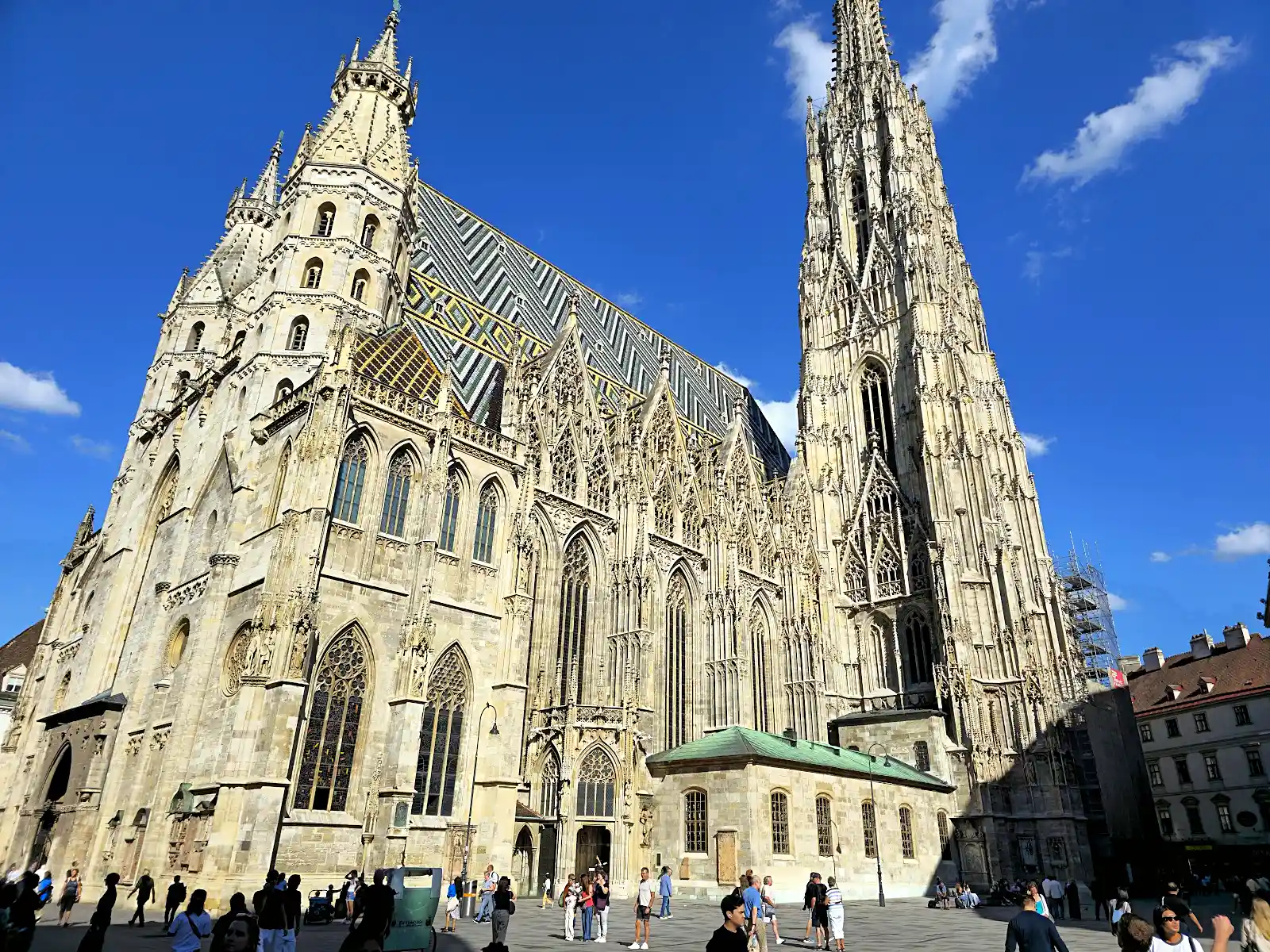
Vienna's markets sit in front of buildings that were already worth the trip before anyone strung up lights. Strasbourg's old town is compact enough to walk the entire market circuit in an afternoon, which matters if you're travelling with people who lose patience after ninety minutes of browsing ornaments. Dresden's Striezelmarkt has been running since 1434 — reckon that's earned it a look — and it's the one that actually makes the stollen bread the tradition is named after.
Cities like Budapest, Prague and Cologne are lovely, and their markets are perfectly nice. They are not the reason to book the flight. They're the reason you're glad you're already there.
How to Plan This Without Losing a Week to Browser Tabs
A traveller planning a week of European Christmas markets will typically have open: three flight comparison tabs, two market-schedule pages that disagree with each other, a currency converter, and a spreadsheet nobody's touched since the first city was added to it. None of these tabs talk to each other. None of them book anything. This is just what market-hopping planning looks like every December, and it doesn't have to.
The planning phase is where most of these trips actually go wrong — not the market, not the destination, just the forty tabs nobody closed. Fix the planning phase and the rest is closer to a normal city break with better lighting.
Pick the City Before You Pick the Market
Decide the city first, market second. Want one dense, walkable base? Vienna or Strasbourg. Want to combine several markets into a wider trip? Germany's Rhine corridor strings together Cologne, Frankfurt and a handful of smaller towns you can reach by train inside a single week.
(This is also where most DIY itineraries fall apart. Someone picks five cities because five sounded ambitious, then spends the actual holiday on trains instead of at markets.)
Timing Matters More Than the Market Itself
Most European Christmas markets run from the last week of November to 23 or 24 December, with a few — Vienna's among them — stretching into early January. The stalls, the lights, the food: identical on day one and day twenty. What changes is the crowd and the price of the hotel room next to the square.
Go in the first two weeks after opening. Same market, thinner crowds, and you're not competing with everyone else's December 20th flight search for a seat.
Budget for the Whole Trip, Not Just the Glühwein
The market itself is close to free — you're paying for mulled wine and one ornament you'll regret by January. The real cost is the flight and the room, and December in Europe is not a shoulder season for either. Total trip cost, not sticker price, is what actually decides whether this was a good idea.
Building a full day-by-day itinerary before you book anything — something you can actually do in one sitting — stops you paying peak-week prices for a trip you could have shifted by four days for a fraction of the total trip cost. Fair enough if you've already got flights booked — this matters more for next year's trip than this one.
The Rule of Thumb: If You Wouldn't Visit the City Without the Market, Skip the Flight
Here's the filter I use. If someone asked you to visit the city with the market closed, would you still go? Vienna, yes — it's Vienna, the market is a bonus. Strasbourg, yes. Some fourth-tier town whose entire online personality is "charming and undiscovered" — probably not.
Nine times out of ten, the itinerary that survives contact with reality is the one built around a city you wanted to see anyway, with a market in it — not a market you built an entire city trip around. It's the same logic as picking a hotel by its location on a real map instead of the listing's claim of "steps from the centre" — the market is the ornament on a trip that needs to work without it.
What Vani Actually Does With a Trip Like This (and What It Doesn't)
Tell Vani you're planning a December trip to Vienna, or a five-day Rhine market run, and it'll build the day-by-day itinerary, search live flights and hotels through the same booking flow as the rest of G8Trip, and pull the weather forecast once you're inside the 16-day window. Once you're on the ground it can find nearby restaurants and ATMs, and it can pull up activity bookings — a Salzburg day trip out of Vienna, say — through Klook. If the budget's tight, hand it a total number and it'll flag where the plan is overspending before you've booked a thing.
What it won't do: tell you which specific stall has a shorter queue for waffles this year, or whether the market at Rathausplatz is "better" than the one at Schönbrunn. That's a taste question, and travel forums exist for taste questions. Vani is good at logistics — flights, hotels, the itinerary that gets you there — and honest about where it stops being useful. Try this first: ask it for the itinerary. Argue with your travel companions about which market is best separately. If the whole thing gets complicated — three families, four cities, one person who refuses to fly economy — G8Trip can put you in touch with a human travel expert instead of pretending an itinerary generator solves everything.
Are Christmas markets in Europe 2026 open on Christmas Day?+
Which Christmas market is best for a first trip?+
Is it cheaper to visit multiple Christmas markets in one trip?+
Do I need a Schengen visa for a European Christmas market trip?+
How far in advance should I book flights for December markets?+
Book the market that would still be worth the trip with the stalls packed away. The mulled wine will still be there. It's mulled wine. It's not going anywhere.
Ready to plan your trip?
Let Vani, our AI travel assistant, build your perfect itinerary.
Start planning for free →