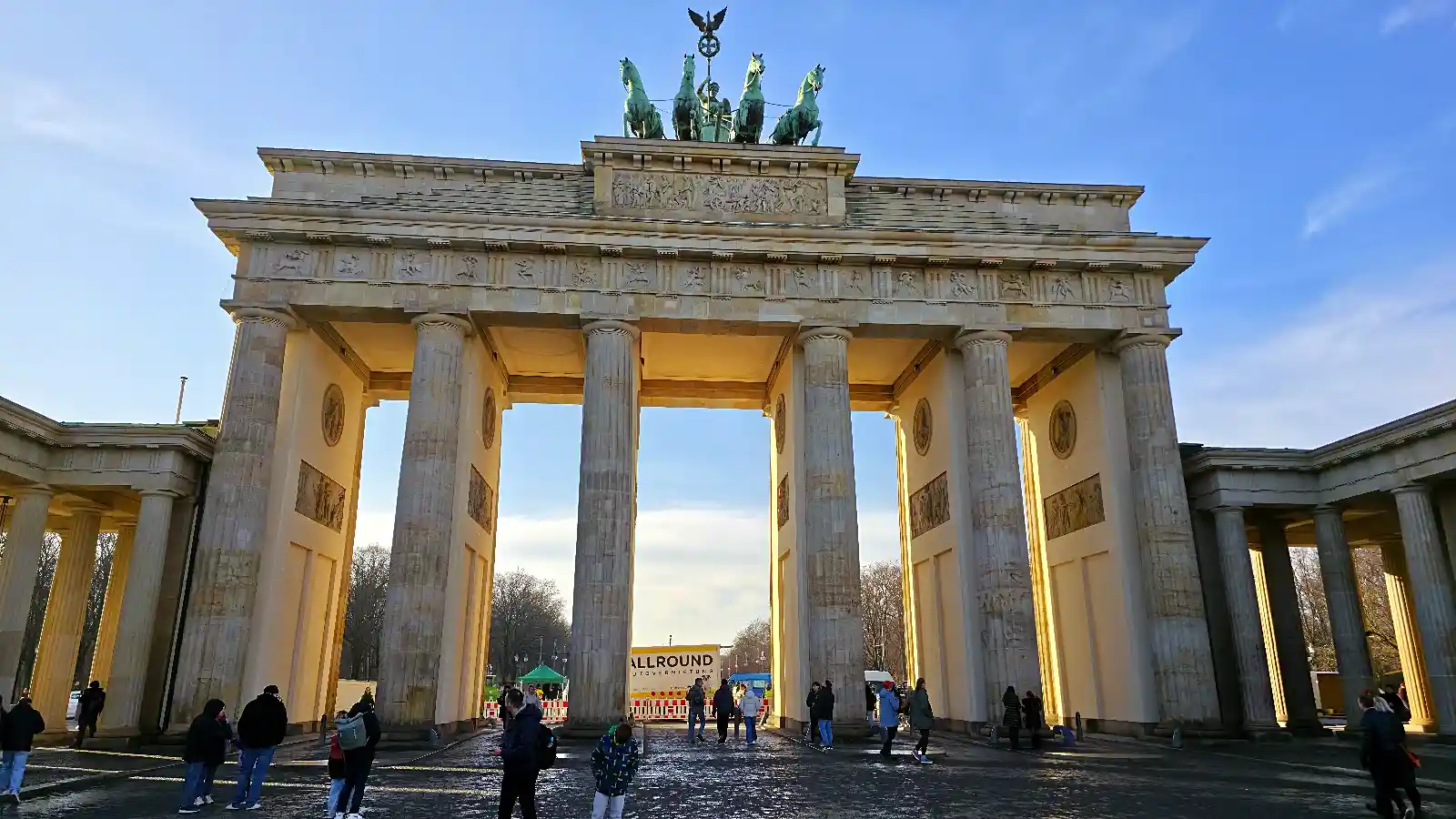


Germany Itinerary: Berlin Plus One Region, Not Three
Most people planning a germany itinerary make the same mistake: three days in Berlin, a night train to Munich, a rushed loop through a castle or two, and a flight home from Frankfurt nobody actually planned around. It photographs well. It also means most of each day disappears into trains, with not much time left over for actually being somewhere (I'm exaggerating, but not by much). Germany's rail network is good enough to tempt you into this — everything looks reachable on a map, so you try to reach everything. The DIY traveller who does best here picks one region, goes deep, and treats the rest as a reason to come back.
ℹ️ The short version
Don't chase Berlin, Bavaria, and the Rhine in one trip. Pick one region — Berlin and the east, North Germany's coast, or the Rhineland as an add-on — and build your trip around it. Ten days for one region beats ten days spread across three.
How Many Days Does a Germany Itinerary Actually Need
Ten days is the sweet spot for one region done properly, with a day of slack built in — something will go sideways, usually a delayed train or a museum shut for renovation nobody mentioned online. Seven days works if you're disciplined about picking one base city and doing day trips instead of full relocations. Two weeks lets you combine two regions without the itinerary collapsing into a checklist.
What doesn't work is trying to fit Berlin, Munich, and the Rhine into ten days. Each deserves its own trip, and Germany rewards travellers who go slow enough to eat a proper meal instead of a train-platform pretzel between connections. (The pretzel is good. It is not dinner.)
For a first trip to Germany, I'd point you toward Berlin and the east — Dresden, Leipzig, Potsdam, all close enough for day trips — or North Germany's coast, with the Rhineland kept as a one- or two-day add-on if you're flying through Cologne or Frankfurt anyway. If you want a broader sense of how to structure any international trip before narrowing down to Germany specifically, the travel guide hub is a reasonable place to start.
⚠️ The three-city trap
Berlin, Munich, and a Rhine day trip in one week isn't tight planning — it's how you end up describing the whole trip as 'we saw a lot of train stations.' Pick one region and add unhurried day trips instead of a third city.
Building the Route Without Losing Two Days to Trains
Once you've picked a region, the route mostly builds itself — pick one base city, add day trips within roughly ninety minutes by train, and resist the urge to relocate hotels every second night just because a place is technically reachable. Relocating costs more time than the extra city is usually worth. Here's how that plays out for the three regions worth considering.
Berlin and the East: The Default for a First Trip
Berlin alone earns four or five days — it's a city where the interesting parts are spread out, and even good transit still eats time getting between them. Base yourself here and use it as a hub. Potsdam is a half-day trip for the palaces and gardens. Dresden is close enough for a full day if you leave early. Leipzig works the same way if you have a spare day and want a city that feels less rehearsed for tourists than the capital.
This is the version of a Germany trip that survives contact with reality: one hotel, one set of packed bags, day trips instead of full relocations. Almost none of your ten days gets lost to logistics, which means more of it is spent being somewhere instead of getting somewhere.
North Germany: The Coast Nobody's Itinerary Mentions
If Berlin and the classic castle circuit don't appeal, North Germany is the quieter alternative — Kiel and the Baltic coast, Lübeck's old town, and a ferry culture that feels closer to Scandinavia than to the Germany most itineraries show you. It's less photographed, which nine times out of ten means less crowded too.
This region works on the same base-and-day-trip structure: Kiel as your anchor, with Lübeck and the fjord towns within easy reach. It's not the Germany of postcards, but it's the Germany that doesn't have you sharing every sightline with four tour buses.
The Rhineland as an Add-On, Not a Third Region
If your flight routes through Frankfurt or Cologne, Cologne's cathedral and old town are worth a one- or two-day stop on the way in or out — not a full leg of the trip. Treat it as a layover you make interesting, not a third region competing with Berlin or the north for your remaining days. Giving the Rhine equal billing to a full region is exactly how you end up with the three-cities, three-train-stations trip this whole piece is trying to talk you out of.

The Rule of Thumb: One Region, One Base, Day Trips
Here's the heuristic: if you can't reach a place and back within a day from your base, it's a different trip. Not a bad idea — a different trip. Berlin-Dresden-Leipzig fits this rule. Berlin-Munich does not — it's the better part of a day each way by train, which quietly eats a day you don't have.
This is also the plan-buffer version of a mistake I've made myself: over-optimising a transit route until there's no room left for anything to go wrong, and then something goes wrong. A four-minute connection is a connection only until the train before it runs seven minutes late. Germany's rail network is punctual by most standards, but 'most standards' still leaves room for exactly the kind of miss that ruins the first afternoon of a ten-day trip. Build in the slack. Use it or don't — but have it.
What Vani Actually Does When You're Planning a Trip to Germany
Tell Vani you want to plan a trip to Germany and she'll ask the basics — how many days, which city you're flying into, whether you want a packed schedule or a relaxed one — then build a day-by-day plan with places, accommodation areas, and transport between them. If you already have a rough plan and want to swap a museum day for something else, or push the whole trip back two days because your flight changed, she'll regenerate it instead of making you start from scratch.
She'll also search live flights and hotels through G8Trip's own booking flow, and if your route needs a Schengen visa, she'll walk you through what's actually required rather than pointing you at a forum thread from three years ago. You can start building your Germany trip with Vani once you've picked a region.
What she won't do: decide whether you're a Berlin person or a coastal-Germany person. That's still a you problem — Vani builds the plan once you've made the call, not the other way round.
How many days do you need to plan a trip to Germany?+
Is Berlin or Munich better for a first trip to Germany?+
Do I need a Schengen visa for Germany from India?+
Can I combine Germany with another European country in one trip?+
What's the best time of year to visit Germany?+
Berlin, the coast, and the Rhine will all still be there next year. Pick one, actually see it, and let the other two be the reason you come back. Vani's ready whenever you've made up your mind — which, if past trips are anything to go by, will be somewhere over the North Sea.
Ready to plan your trip?
Let Vani, our AI travel assistant, build your perfect itinerary.
Start planning for free →