
Hidden Places in Japan Locals Recommend Over Shibuya
Shibuya Crossing exists on every Japan itinerary for the same reason: it's the shot everyone recognises before they've booked the flight. It also means that at any given moment, you are crossing the road with several hundred other people who had the exact same idea, most of them also holding up a phone. There's nothing wrong with the crossing — it's genuinely something to see once. The problem is that "see it once" has quietly become the entire Tokyo itinerary for a lot of DIY travellers, when hidden places in Japan locals recommend sit a short train ride away, with a tenth of the people and none of the crossing anxiety.
💡 The short list
Hakone (hot springs and a Mount Fuji view), Kamakura (a giant bronze Buddha and quiet temple trails), and Nara (deer that bow for crackers, seriously) are all under two hours from Tokyo or Kyoto by train — no internal flight, no multi-day detour required.
Why Hidden Places in Japan Locals Recommend Beat the Tourist Circuit
Tokyo and Kyoto absorb most of Japan's foreign tourist traffic, which is exactly why they've built the infrastructure to handle it — English signage, tourist-rate everything, queue management that would make a theme park proud. That efficiency comes at a cost: you're seeing a version of Japan calibrated for maximum throughput, not the version locals actually spend their weekends in. Hidden places in Japan locals recommend tend to be day-trip distance from the big cities precisely because that's where Tokyo and Osaka residents go to get away from Tokyo and Osaka — Hakone for onsen weekends, Kamakura for a beach-and-temple day, Nara because it's Nara and the deer are objectively good marketing that predates marketing.
None of these require restructuring your itinerary. They require one fewer day in central Tokyo and one train ticket, which — compared to the amount of research most people put into choosing a hotel — is a fairly low bar to clear.
Five Hidden Places in Japan Locals Recommend Over the City Centre
Hakone — Hot Springs, a Fuji View, and No Convention Centre in Sight
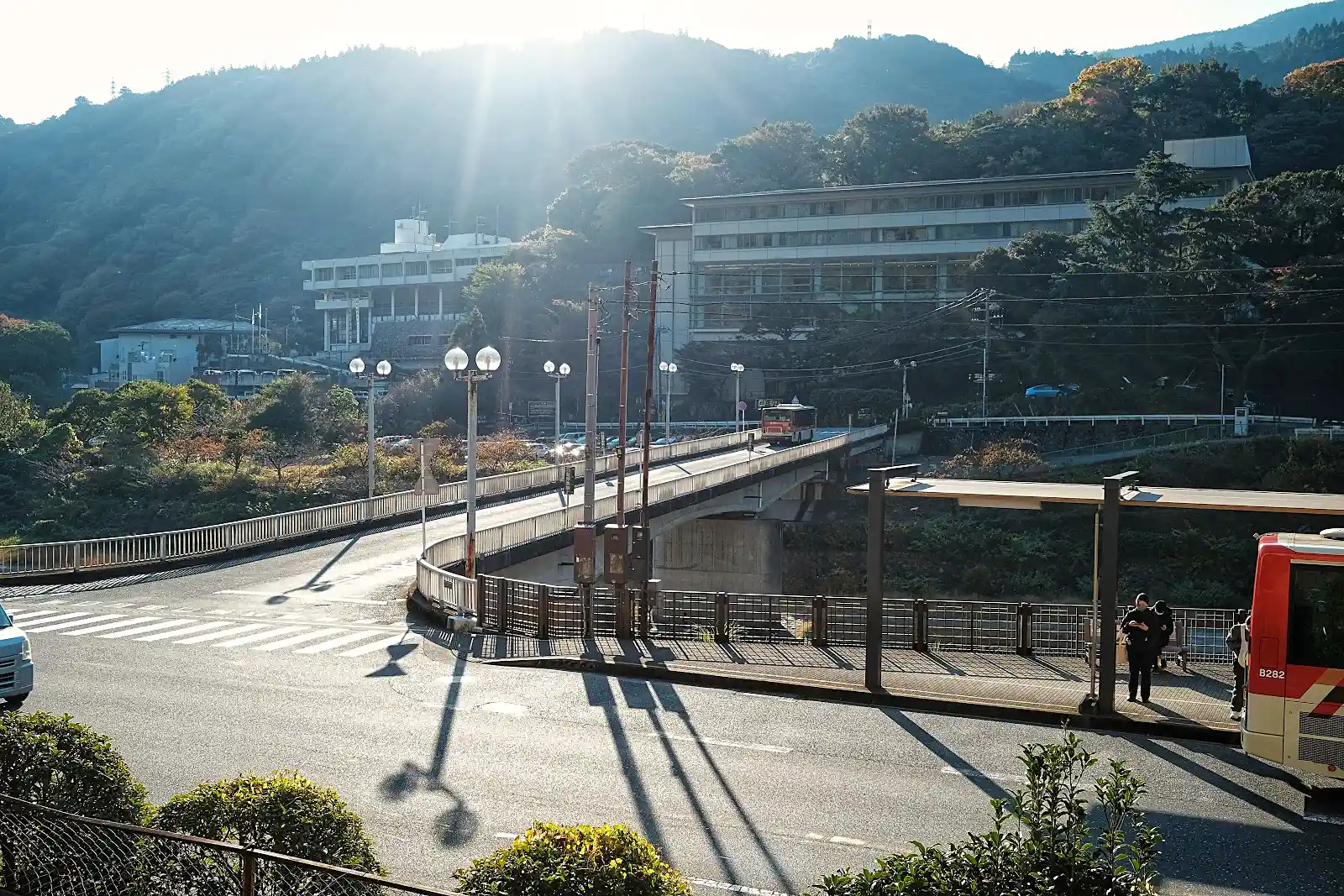
Hakone is about 90 minutes from Tokyo by train and functions as the weekend reset button for a lot of Tokyo residents — ryokan stays, open-air onsen with a Mount Fuji view on a clear day, a pirate-ship boat ride across Lake Ashi that sounds like a tourist trap and somehow isn't. It's touristed, but by a different crowd than Shibuya — mostly domestic, mostly there to actually relax rather than photograph relaxing. (Try this first: check the weather before you commit to a night here — the Fuji view is the whole point, and Fuji has strong opinions about clouds.)
Kamakura — Tokyo's Beach Town With a 13-Metre Buddha
Kamakura sits about an hour south of Tokyo and was Japan's political capital for over a century before the seat of power moved elsewhere — which explains why a town this size has a Great Buddha, dozens of temples, and a coastal train line locals use for a day away from the office. It's popular with Tokyo residents on weekends specifically because it delivers temple culture and a beach walk in the same afternoon, without needing the multi-day commitment Kyoto asks for.
Nikko — Ornate Shrines Two Hours North, Minus the Kyoto Volume
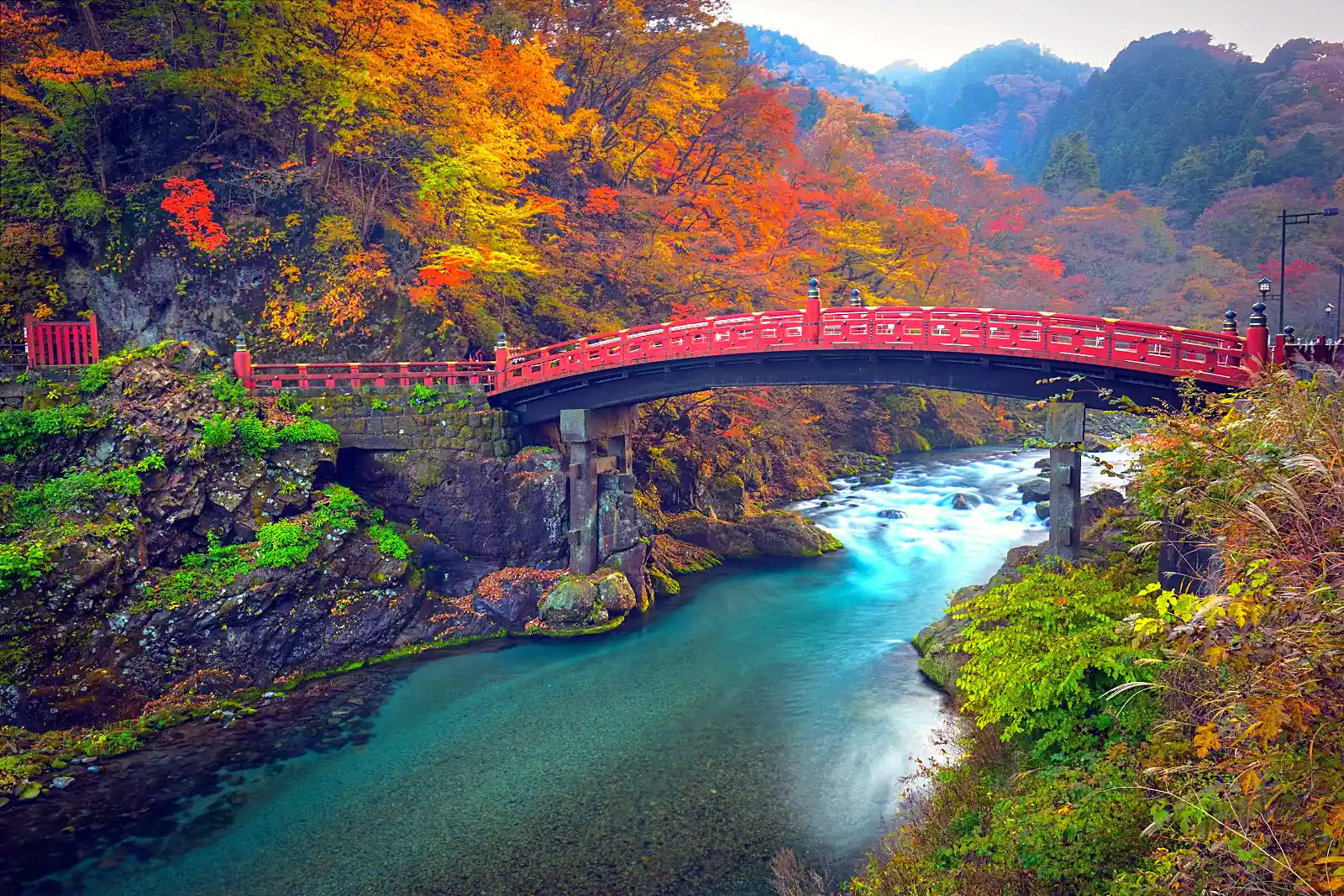
Nikko sits about two hours north of Tokyo by train and gets a fraction of the visitors Kyoto's temple district does, despite having its own UNESCO-listed shrine complex — Toshogu, ornate in a way that's genuinely different from the restrained aesthetic most Kyoto temples go for. Pair it with Kegon Falls and the drive up to Lake Chuzenji if you have the extra half day, and you've got a full day trip that most Tokyo-based itineraries skip entirely because it doesn't have Kyoto's name recognition. That's the whole reason it's quieter.
Nara — Where the Deer Bow and the Crowds Thin Out by Evening
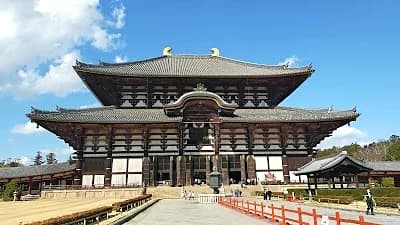
Nara is roughly 45 minutes from Kyoto, and most visitors treat it as a half-day stop for the deer park — which undersells it. The deer do genuinely bow for crackers, which is either the most charming or the most absurd thing you'll see in Japan, and Todai-ji temple houses one of the country's largest bronze Buddha statues. Stay past the day-trip crowd's departure time in the late afternoon and Nara empties out considerably, which is when the park is actually worth walking through slowly.
Miyajima Island — The Floating Torii Gate Without the Tour Bus
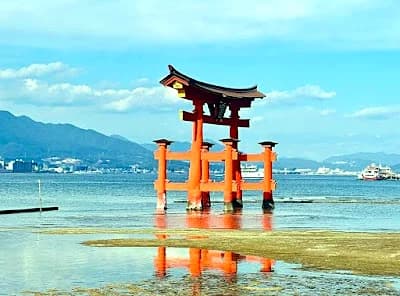
Miyajima, reached by a short ferry from Hiroshima, has the floating torii gate that shows up in half the Japan travel photography you've seen without necessarily knowing where it was taken. It's a genuine tourist site, not a secret, but the ferry crossing filters out the day-tripper volume Shibuya gets by default — and the island itself, once you're past the gate and the deer (Japan has a type), has quiet hiking trails up Mount Misen that almost nobody bothers with.
The Rule of Thumb for Finding These Yourself
Rule of thumb: if a place is a direct train ride from a major city and shows up in domestic travel content more than international travel content, it's where locals actually go — not where a blog told them to go. Reddit threads and 2019-era guidebooks are a start, but they date fast; cross-check anything you find against a source that's actually current. Honestly, the fastest filter is distance and effort — anywhere within two hours by train that still gets described as "quiet" almost never is, once enough blog posts like this one exist. Go anyway. The math still favours you nine times out of ten.
What Vani Actually Does With Japan Day-Trip Planning
Ask Vani, G8Trip's AI travel assistant, to plan a Japan trip and mention you want fewer crowds, and it'll slot Hakone, Kamakura, or Nara into the day-by-day itinerary with actual train timing between stops — not just a list of names with no logistics attached. It can also pull up train booking links for the Tokyo–Kyoto route and surface restaurants or ATMs near wherever you land, which matters more in a smaller town than it does in central Tokyo. What it can't do is guarantee Nara will be quiet the specific afternoon you show up, or that Fuji will be visible from your Hakone ryokan — some of this is still weather, timing, and luck, and no itinerary tool has solved that yet. Build the actual route with Vani and treat the crowd predictions as informed guesses, not guarantees.
How many days should I add for Hakone, Kamakura, or Nara?+
Do I need a JR Pass to visit these places?+
Are these hidden places in Japan crowded during cherry blossom season?+
Can Vani find train times between Tokyo and these day-trip towns?+
Is Miyajima worth it if I'm not already visiting Hiroshima?+
The deer in Nara have been bowing for crackers longer than Instagram has existed, and they'll keep doing it after you leave. Shibuya Crossing will still be there too, exactly as crowded as you left it. Go see the quiet version of Japan first — the crossing isn't going anywhere.
Ready to plan your trip?
Let Vani, our AI travel assistant, build your perfect itinerary.
Start planning for free →