
How to Build an India Travel Itinerary That Works
India is not a country you can plan in an afternoon. It has 28 states, three major climate zones, and the kind of distance between destinations that makes "quick stop in between" sound reasonable until you check the train times. Most first-time India travel itineraries try to cover Delhi, Agra, Jaipur, Mumbai, and Goa in ten days. Most first-time India travellers come back and say they needed three weeks. Both things are true, which tells you something about the planning problem.
ℹ️ The honest version
A workable India travel itinerary picks one region and covers it well — not five cities in eight days. Start with the Golden Triangle (Delhi–Agra–Jaipur) if it's your first trip, or Kerala for a slower pace. Build in transit days. India's distances look shorter on a map than they feel on the ground.
What a Good India Travel Itinerary Actually Covers
India gets divided into loose travel circuits for a reason. Each circuit has its own transport rhythm, climate window, and pace. Trying to mix circuits in one trip usually means spending more time on trains and planes than in the places you came to see.
The four circuits that make practical itineraries:
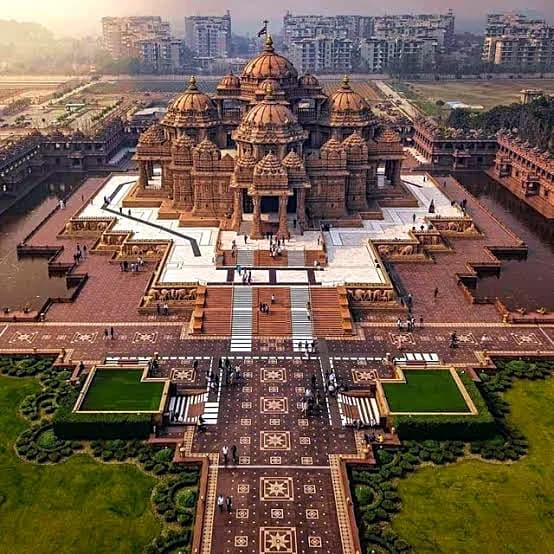
- Golden Triangle (Delhi → Agra → Jaipur): 5–7 days, well-connected, straightforward for first timers
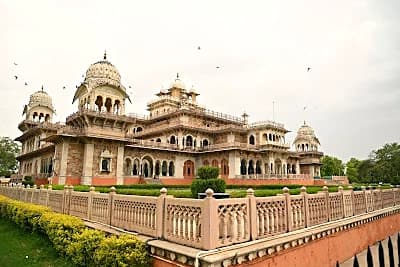
- Rajasthan loop (Jaipur → Jodhpur → Udaipur → Jaisalmer): 8–12 days, best October to March
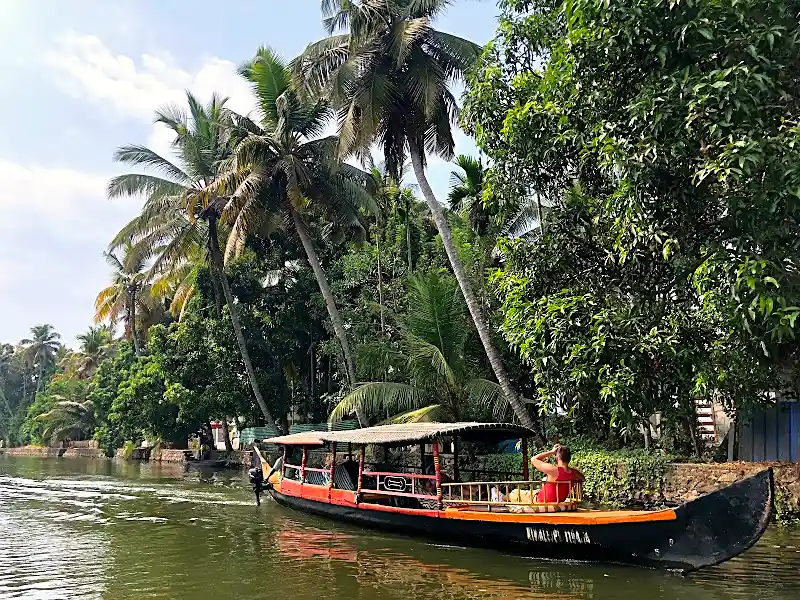
- Kerala and the South (Kochi → Munnar → Alleppey → Varkala): 7–10 days, manageable even in shoulder season
- Himalayan North (Manali, Ladakh, Dharamsala): 7–14 days, viable June to September mostly
One circuit per trip. Two circuits if you have 14 days or more and realistic expectations about what transit days actually look like.
The Planning Decisions That Actually Matter
When to Go — and It's Not One Answer
India doesn't have a single best season. It has regional seasons that overlap and sometimes conflict. October to March is broadly the safest window for North India and Rajasthan — cool enough for long days of sightseeing, clear skies, manageable crowds in the smaller cities.
Kerala and the south work in the same window but also have a distinct post-monsoon charm from September onward. If you're planning Ladakh or Manali, you're looking at June to September. The mountain roads are open, the landscape is worth the flight, and the rest of the year most routes are either closed or unreliable (sometimes both).
The common mistake: picking dates without checking what's actually open. A Leh itinerary in December is not a Leh itinerary — it's a very expensive visit to a town that's mostly shut.
Transport: Where Most India Itineraries Break
India has excellent train connectivity between major cities and very patchy connectivity between mid-tier destinations. The mistake is assuming you can get where you're going on the day you want to go.
Train bookings fill up weeks in advance — especially Rajdhani and Shatabdi express services. If your itinerary has a critical train segment (Delhi to Agra, Jaipur to Jodhpur), book it before you finalise the rest of the plan, not after. The train is the anchor. Everything else adjusts around it.
Flights between Indian cities are cheap and frequent. For anything over six hours by train, compare flight prices seriously. A ₹2,000 flight can recover half a travel day. That's not nothing when you have eight days total and one of them was already earmarked for "settling in."
How Many Days — the Honest Numbers
- 5–7 days: Golden Triangle only, at a sensible pace
- 8–10 days: Golden Triangle plus one extension — Jodhpur, Ranthambore, or Varanasi
- 10–14 days: One full regional circuit done properly
- 14+ days: Two circuits, with a dedicated travel day between them
These are not generous estimates. India moves at its own pace. A day in Varanasi takes a full day. The ghats at sunrise are not a 45-minute stop. Budget two nights minimum for any city you actually want to see, not just pass through.
Building Your India Travel Itinerary Day by Day
The instinct is to build from the map — plot all the places you want to see, then figure out how to connect them. The better approach is the reverse: figure out your transport anchor points first, then fill the days around them.
Start with your entry and exit cities. Delhi in, Delhi out is the most common and cheapest round-trip option. Delhi in, Mumbai out adds flexibility if you're doing a circuit that ends in the west, and the price difference is usually marginal.
Then fix your non-negotiables — the one or two things the trip is actually for. Taj Mahal at sunrise, Varanasi ghats, Alleppey houseboat, Jaisalmer desert camp — whatever they are, anchor those in the calendar first and build everything else around them.
Everything else is fill. And "fill" in India is never actually empty. There will always be a fort, a market, a meal, a delay, or a conversation that turns three hours into a full afternoon. (This is either the charm or the frustration of India, depending on the day.)
The Rule That Saves Every India Itinerary
Rule of thumb: don't plan more than two major destinations per day, and never plan a transit day as a sightseeing day.
India's distances look shorter on a map than they feel in real life. A 300km road journey in India is a five-to-seven hour commitment depending on the highway, the traffic, and whether it's a public holiday (which you may not have checked). A 500km train journey that departs at 6am arrives at noon, and you'll want lunch before you do anything useful.
Build the transit time in as a real cost, not a rounding error. If your itinerary has more cities than it has full days, cut a city. The one you cut will not be the one you regret.
I've used this rule since I missed a connection in Jaipur because I'd optimised a route that looked clean on paper and had no buffer for anything real. The itinerary was correct. It just wasn't honest about what the day would actually require.
💡 Try this before you finalise
Open Google Maps and time-check every transit segment in your itinerary using driving or train. If any day has more than 4 hours of combined transit, it's a transit day — not a sightseeing day. Adjust before you book.
What Vani Does Here — and What It Doesn't
Vani — G8Trip's AI travel assistant — builds a day-by-day India travel itinerary from a conversation. Tell her your cities, travel dates, and style (packed schedule or relaxed pace), and she'll produce a structured plan with accommodation areas, activity suggestions, and transport notes between each stop.
Where she's genuinely useful: the sequence logic. Which order to do Rajasthan cities in. Whether to fly or train between two points given your dates and budget. How many nights each city actually needs to feel like you've been there. This is the part that takes most travellers three Reddit threads and two blog posts to piece together — Vani does it in one conversation.
What she doesn't replace: your own judgment about pace. If you tell her you want to see seven cities in six days, she'll plan it. Whether it still sounds like a good idea on day four — that's still on you.
Plan your India itinerary with Vani — start with your destination, how many days you have, and whether you want it relaxed or packed. She'll take it from there.
How many days do I need for an India travel itinerary?+
What is the best time to visit India?+
What should I include in a first India trip itinerary?+
Is it easy to travel between cities in India?+
Can AI help plan an India travel itinerary?+
India rewards the traveller who plans the structure and then holds it loosely. The itinerary you finish with will not look exactly like the one you started with — a train gets rebooked, a day runs long, someone at a chai stall gives you better advice than three blog posts combined. That's not a planning failure. That's just how India works. Build something solid, leave some slack, and go. Oscar can't come, but he'd love the chaos.
Ready to plan your trip?
Let Vani, our AI travel assistant, build your perfect itinerary.
Start planning for free →