

Italy Tourist Fines 2026 What to Avoid This Summer
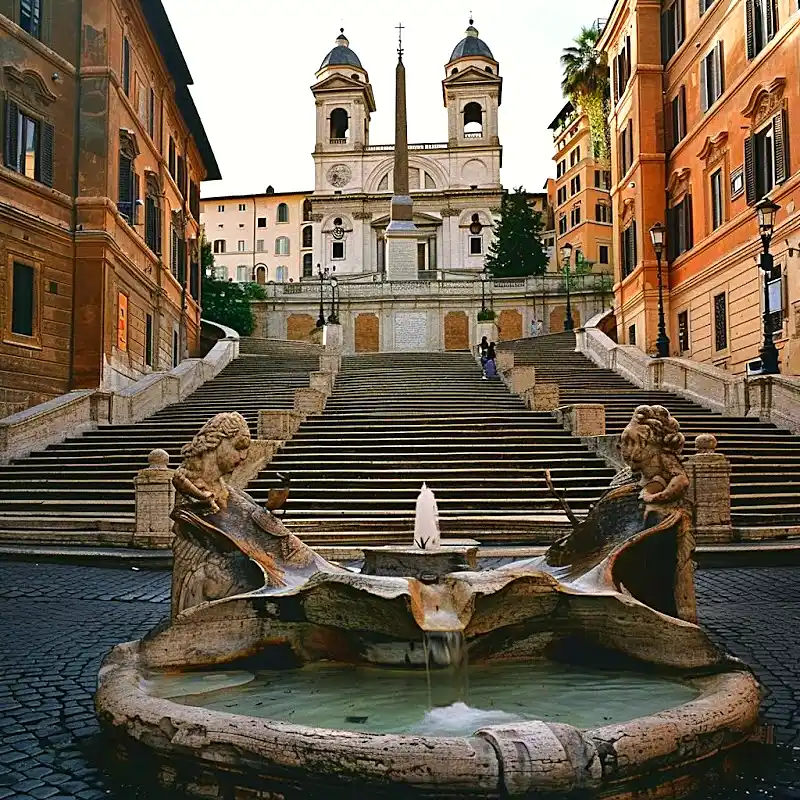
Italy did not wake up in 2026 and decide to get strict for fun. It happened because the Spanish Steps were covered in people eating panini on stone worn smooth by seven centuries of actual use, and someone finally did the maths on the restoration bill. Italy tourist fines 2026 what to avoid has become a genuine search question this year, because the rules are real, city-specific, and mostly aimed at things you'd assume were harmless — sitting down, wearing sandals, ordering a spritz on the wrong stretch of pavement. None of it is designed to catch you off guard. Most of it is designed to catch you doing exactly what the ten people in front of you were about to do anyway.
ℹ️ The Short Answer
Don't sit on the Spanish Steps, don't swim in any Venice canal, skip flip-flops in Capri, and don't eat outdoors on the banned Florence streets. Fines range from roughly €50 for noisy shoes to €350 for a canal swim, according to reporting this year — small enough to shrug off, annoying enough to avoid on purpose.
Italy Tourist Fines 2026 What to Avoid in Each City
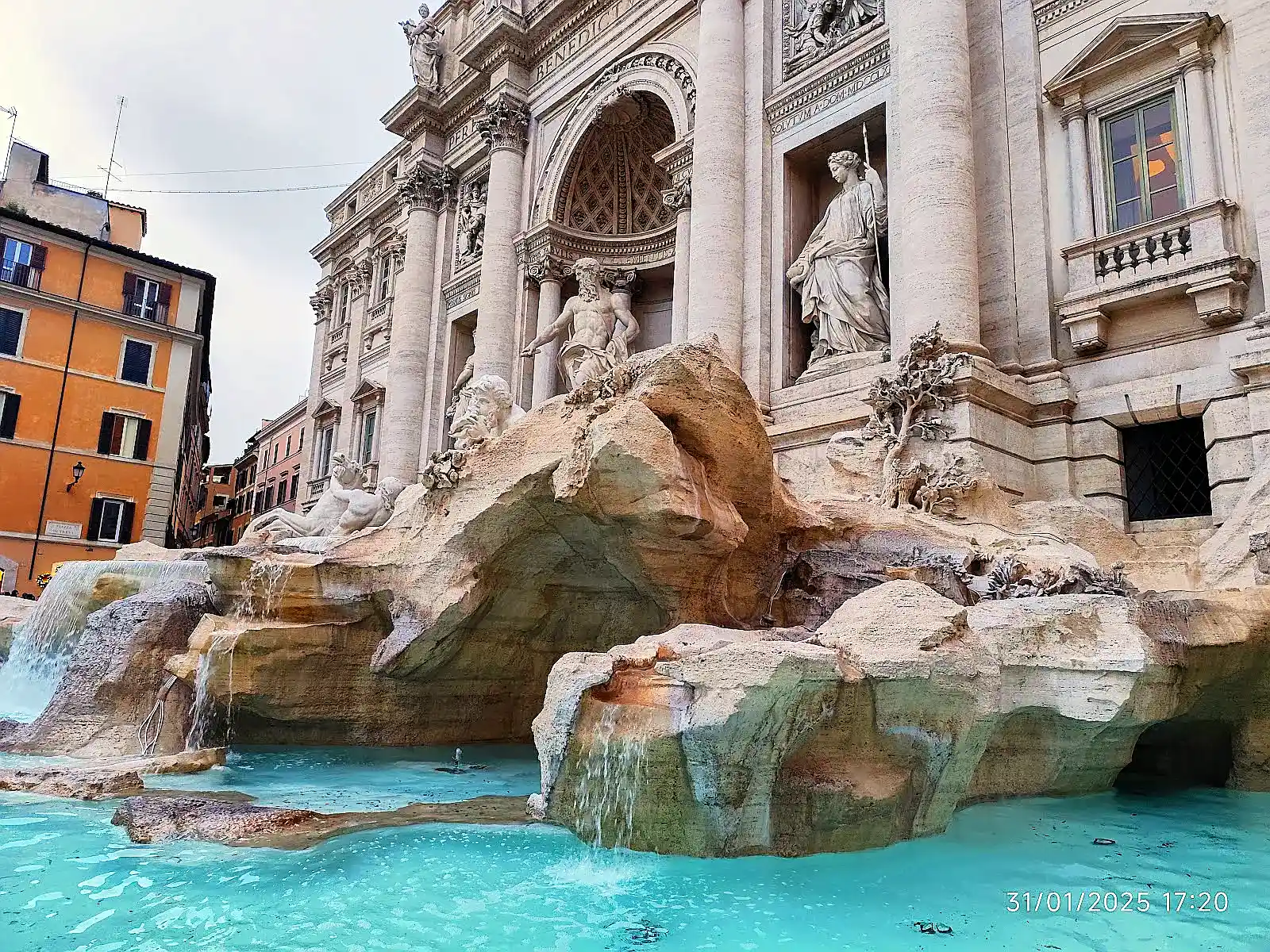
This isn't one national law. It's four cities independently tightening rules that were already technically on the books and starting to actually enforce them, per multiple travel outlets covering the changes this year. Rome added paid, capped access to the Trevi Fountain and cracked down on sitting on the Spanish Steps or wading into any fountain. Venice fines eating or drinking while sitting on monuments and bridges, and treats swimming in the canals as a serious offence rather than a quirky dare. Florence banned outdoor dining across roughly sixty streets in its historic centre, including near the Uffizi and Ponte Vecchio. Capri capped tour groups at 40 people and fined loud, hard-soled shoes like flip-flops.
The common thread: almost none of this is new behaviour on the tourist's part. It's old habits meeting a city that finally started writing tickets instead of a warning and a shrug. None of the four cities coordinated on this — each rule grew out of a local complaint that had been building for years, which is also why the fines and enforcement style differ so much from one city to the next.
The Rules, City by City
Rome: The Steps, the Fountain, the Fountains in General
The Spanish Steps ban on sitting has been enforced on and off for years, but 2026 coverage suggests it's being applied more consistently, with fines reported in the low hundreds of euros for repeat or obvious cases. The Trevi Fountain now runs a small paid entry with a headcount cap, reportedly around 400 people at a time, aimed less at revenue and more at crowd control. Wading into any Roman fountain — Trevi included — remains a fineable offence and always has been; it's just enforced more now that phones make every incident a video.
The practical fix costs nothing: stand rather than sit for the photo, and treat the steps the way you'd treat a stranger's front stoop. If you want to sit somewhere with a view over Rome, there's no shortage of café terraces a few minutes' walk away that would rather have your business anyway.
Venice: The Canal Rule Isn't a Joke
Eating or drinking while sitting on a monument, step, or bridge in Venice carries fines reported in the €100–€200 range. Swimming in a canal is treated far more seriously, with reported fines around €350 — not because the water's especially precious, but because it's a working waterway with boat traffic, and someone in the canal is a genuine hazard, not just an eyesore. Neither rule is new to 2026 exactly; what's new is that Venice is issuing fines at a rate that makes local news regularly, rather than warning and walking off.
The city has also been experimenting with a day-tripper entry fee on its busiest spring and summer dates, which is a separate cost from any of these behaviour fines and worth budgeting for if you're visiting without an overnight stay booked.
Florence: The Sandwich Ban Nobody Saw Coming
Florence's outdoor dining ban covers roughly sixty streets in the UNESCO-protected historic centre, including Ponte Vecchio, Piazzale degli Uffizi, Via Roma, and Via Maggio, and reporting says enforcement started fast, with dozens of fines issued within the first few weeks. The rule targets pop-up street eating more than sit-down restaurant terraces with proper permits, but the line between the two isn't always obvious to a visitor holding a slice of pizza on the move.
The simplest workaround is also the most obvious one: buy food to sit and eat, not to walk and eat, when you're inside that historic core. Most bakeries and pizza-by-the-slice counters in the area now have at least a small standing counter for exactly this reason.
Capri: Loud Shoes and Big Groups
Capri's rules read almost comically specific until you remember the island's stone streets amplify every footstep: flip-flops and hard-soled shoes that make noise now carry a reported fine around €50. Tour groups are capped at 40 people, and guides leading groups over 20 now need earpieces instead of loudspeakers. None of this is about the shoes themselves — it's about a small island absorbing a large daily visitor count without losing what made it worth visiting.
If you're booking a Capri day trip through a larger tour operator, it's worth asking about group size upfront. A cap of 40 doesn't mean every operator books to exactly that number, and a smaller group usually means a better trip regardless of the fine.
⚠️ The One Rule That's Everywhere
Buying counterfeit goods from street vendors — bags, sunglasses, "designer" scarves — carries fines up to €10,000 in Italy, and this one applies nationwide, not just in the four cities above. It's the single most expensive mistake on this list, and the easiest to avoid entirely.
The Rule of Thumb for Not Getting Fined in Italy
If the thing you're about to do would look strange to a local doing it in their own city — sitting to eat on a historic step, wading into a fountain, swimming in a working canal — it's probably fineable somewhere in Italy in 2026, whether or not there's a sign. Signage lags enforcement in most of these cities, so the safest check isn't "is there a sign here" but "would someone who lives here do this."
Nine times out of ten, the fix costs nothing: eat at a table, keep shoes quiet on cobblestones, and treat every fountain as a photo opportunity rather than a paddling pool. The fines themselves are rarely large enough to ruin a trip financially — the actual cost is the twenty minutes lost arguing with a local police officer instead of seeing the next thing on your list.
What Vani Actually Does Here (and What It Doesn't)
Ask Vani to plan an Italy trip and she'll build the day-by-day itinerary — Rome, Florence, Venice, Capri, in whatever order makes sense — along with nearby restaurants and amenities through Google Places, so you're not standing on a banned street deciding where to eat because there was nowhere obvious to sit. She'll also pull together your full booking checklist once the plan's set, flights and hotels included, and can search live options if you need a hotel closer to one of these historic centres than your original pick.
What she won't do is track which of these fines is being enforced this specific week, or read a city ordinance for you in real time — city rules shift faster than any itinerary tool can promise to keep up with, and this is one of those cases where checking the destination's own tourism site before you land is worth the five minutes. You can start planning an Italy trip with Vani and treat this piece as the fine print she won't automatically flag.
What are the biggest tourist fines in Italy in 2026?+
Is it illegal to sit on the Spanish Steps in Rome?+
Can you still eat outdoors in Florence's historic centre?+
Do these Italy tourist fines apply to children?+
Does Vani warn you about local tourist rules like these when planning a trip?+
The Spanish Steps have survived popes, earthquakes, and several centuries of tourists. They can survive you standing instead of sitting for one photo.
Ready to plan your trip?
Let Vani, our AI travel assistant, build your perfect itinerary.
Start planning for free →