An Italy Trip Plan That Skips the Three-City Sprint
Type "italy trip plan" into any planning tool and you'll get the same nine days back every time: three nights Rome, two nights Florence, two nights Venice, repeat for everyone since 2015. It's not wrong. It's just exhausting — three cities, two high-speed trains, and a packing list that never quite unpacks. Flights from India to Rome or Milan usually involve one stop, so the clock on the trip is running before you've even landed. An itinerary built around fewer stops and more time per stop covers the same ground with about a third less luggage-dragging.
💡 The Short Version
Ten days, three stops, no rush: four nights Rome, three in Tuscany, three in Venice. Skip the day-trip-everywhere approach — Italy rewards staying still more than constant movement.
The Honest Italy Trip Plan Skips the Three-City Sprint
The classic Italy itinerary tries to fit Rome, Florence, and Venice into seven or eight days, with a day trip to Pisa or Cinque Terre wedged in somewhere. The math works on a spreadsheet. It falls apart the moment you're standing in a train station at 7am for the third morning in a row.
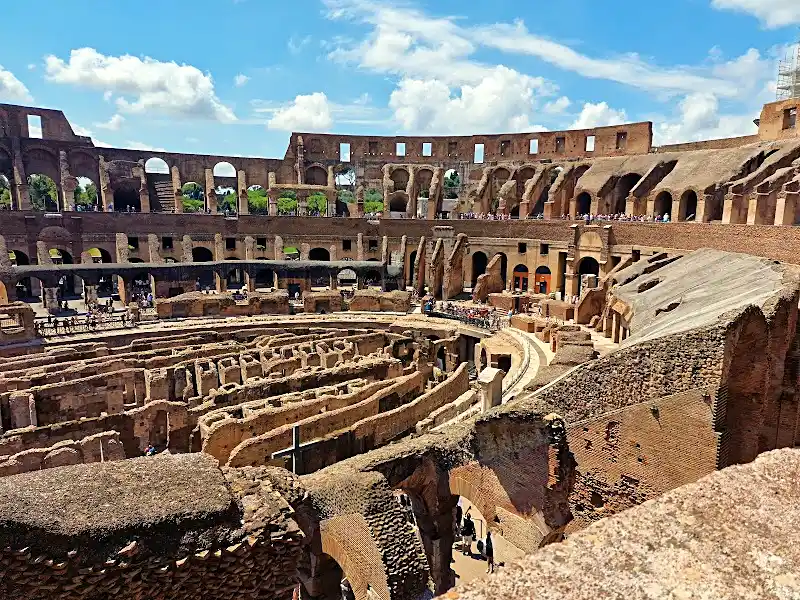
A calmer version of this trip keeps the same three stops but gives each one enough room to be more than a checklist. Four nights in Rome instead of two means you see the Colosseum and the Vatican without doing both before lunch. Three nights in Florence or a Tuscan town means an actual day trip into the countryside, not just a photo of the Duomo from across the square.
(Italy has survived for roughly three thousand years. It will still be there if you take an extra day in each city instead of optimising for maximum stamps in a mental passport.)
Ten days total, three stops, high-speed trains between each — that's the whole structure. Everything else is just deciding what to skip, which is a better problem to have than deciding what to rush.
The same ten-day structure also keeps total trip cost more predictable: three hotel bookings and two train tickets, instead of constantly rebooking one-night stays that tend to cost more per night than longer ones.
Building the Ten Days, City by City
Rome: Four Nights, Not Two
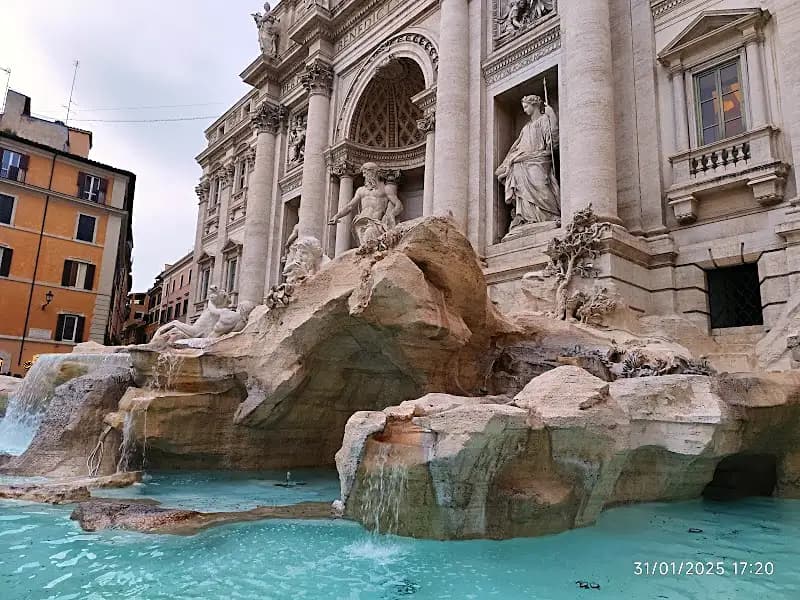
Rome needs four nights to cover the Colosseum, the Forum, the Vatican Museums, and at least one evening with no agenda beyond a piazza and dinner. Most itineraries give it two nights and try to do all of that before 2pm on day one. It doesn't work, and you end up skipping the Vatican entirely or seeing it at a sprint.
Book the Colosseum and Vatican Museums skip-the-line slots in advance — both sell out daily in peak season, and showing up without a slot means standing in a queue instead of standing in the Sistine Chapel. Split the two attractions across separate mornings. Trying to do both in one day guarantees you remember neither clearly.
Walking between the Colosseum and the Vatican looks short on a map. In practice it's closer to forty minutes each way through traffic, which eats into whichever museum visit you scheduled second.
Tuscany: Three Nights, One Base, No Day-Trip Marathon
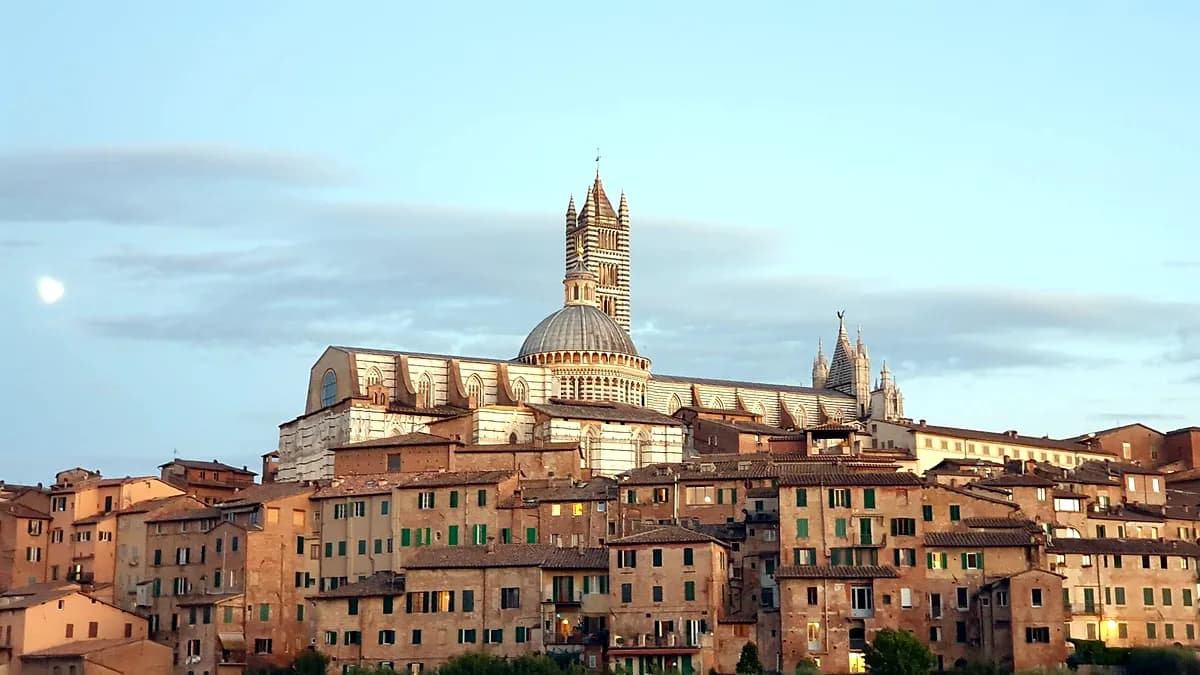
Florence works as a base, but a smaller Tuscan town does the same job with fewer crowds and shorter walks back to the hotel. Either way, three nights is enough for the city itself plus one genuine day trip — Siena, San Gimignano, or a wine region visit, not three day trips stacked back to back.
The mistake most itineraries make here is treating Tuscany as a launchpad for day trips to everywhere within two hours, which means you spend more time in a rental car than in any one town. Pick one day trip. Spend the other two days actually in Florence — the Uffizi, the Duomo climb, and an evening where the only plan is dinner.
Venice: Three Nights, and Skip the Cinque Terre Detour
Venice is the easiest of the three to overplan and the easiest to enjoy by underplanning. Three nights covers the main sights — St Mark's Basilica, the Doge's Palace, a vaporetto ride down the Grand Canal — with time left over to get lost in a side street, which is the actual point of Venice.
Skip the temptation to add Cinque Terre as a day trip from here. It's roughly four hours away by train each direction, which turns a "quick add-on" into a day spent entirely in transit. If Cinque Terre matters to your trip, it needs its own two nights, not a forced afternoon.
The Rule of Thumb: Three Nights Minimum, Anywhere You Stop
If there's one number to remember from this whole itinerary, it's three. Three nights is the minimum for any Italian city to stop feeling like a layover with extra walking. Two nights means one full day, which sounds fine until travel time, jet lag, and one closed museum eat into it.
This isn't the itinerary that fits the most cities into ten days. It's the one that means you actually remember which city had which fresco, instead of a blur of churches that all start to look the same by city number four.
Nine times out of ten, the traveller who complains that Italy was "rushed" added a fourth city instead of giving the first three more room.
The fourth city always sounds tempting when you're staring at a map three months before departure. It sounds a lot less tempting on day eight, when you're choosing between a fourth train and an actual nap.
What Vani Actually Does for an Italy Trip Plan (and Where the Local Knowledge Still Wins)
Tell Vani you're planning ten days in Italy from Delhi or Mumbai, and she'll lay out the Rome–Tuscany–Venice structure with nights allocated per stop, search live flights and trains between cities, and find hotels in each city filtered to whatever matters to you — central location, breakfast included, free cancellation. She'll also pull current Schengen visa requirements for Indian passport holders, since Italy needs one, and link straight to the application.
Once the plan is set, ask for the full booking checklist — flights, hotels, the inter-city trains — and she'll lay it out with a cost breakdown so you know the total trip cost, not just the headline ticket price.
What she won't tell you: that the Colosseum slot at 8:30am beats the one at 11am because of tour group crowds, or that the gelato place two streets behind any major piazza is reliably better than the one directly facing it. That's the kind of detail that exists in nobody's API yet. She'll keep a running total trip cost as flights, hotels, and trains get added, so the number doesn't double in the final week. Start the plan with Vani and treat the gelato research as the one part of the trip worth doing yourself.
⚠️ The Booking Window
Vatican Museums and Colosseum skip-the-line slots sell out days in advance in summer. Book these before you book anything else, including your flights' exact dates.
How many days do you need for an Italy trip plan covering Rome, Florence, and Venice?+
Should I add Cinque Terre or the Amalfi Coast to a 10-day Italy trip?+
Do Indian travellers need a Schengen visa for Italy?+
Is it better to fly into Rome or out of Venice for a 10-day Italy trip?+
Three cities, ten days, no day trip that eats a full day getting there. It's not the itinerary that looks the most ambitious in a group chat. It's the one you'll actually finish without needing a holiday from the holiday. Browse more route ideas on the travel guide hub.
Ready to plan your trip?
Let Vani, our AI travel assistant, build your perfect itinerary.
Start planning for free →