
Japan in Winter Itinerary: Ten Days, Two Climates, One Bag
Japan in winter is two countries sharing one rail network. Tokyo is dry and bright. Kyoto is cold and unhurried. Hokkaido is under snow that locals treat as a scheduling detail. A japan in winter itinerary that ignores this ends up with the wrong coat in the wrong city. (The coat has no opinion. The luggage does.)
ℹ️ The short version
Spend ten days on one Tokyo and Kyoto loop, and add a snow day only if you are happy to trade a night or two for it. Book Tokyo in and Osaka out, keep each hotel for at least three nights, and pack for cold mornings rather than a cold country.
A japan in winter itinerary is Tokyo, Kyoto and one honest snow day
Here is the answer before the reasoning. Four nights in Tokyo. Four nights in Kyoto, with Osaka and Nara as day trips. One night somewhere with real snow, if you want it. Fly into Tokyo, fly home from Osaka, and skip the backtrack. That is ten days, and it fits most leave calendars.
Winter suits this route because the big sights thin out. Temples that are shoulder-to-shoulder in spring are walkable in January. Clear air makes Tokyo skyline views sharper. Hot food tastes better when you have been cold for an hour. Fair enough, the days are short, so you plan around daylight rather than against it.
If you have already read our Japan itinerary for two weeks, treat this as the same country with the pace changed. Fewer cities. Longer indoor stops. A bath at the end of most days.
How the ten days actually fit together
Days 1 to 4: Tokyo, with the lights on early
Tokyo in winter is mostly dry and sunny, which surprises people who packed for gloom. Mornings are cold, afternoons are fine in a coat, and evenings drop fast. Daylight ends early, so put outdoor sights in the morning and leave museums, department stores and food halls for after dark.
A workable shape: day one is arrival and a short walk near the hotel, nothing ambitious. Day two is the old city, temples and market streets. Day three is the modern side, viewpoints, neighbourhood shopping and a long dinner. Day four is a flexible day. Use it for a day trip, or for the thing you ran out of time for on days two and three.
Winter illuminations run across the city from late autumn through the festive season. They are free or cheap, they suit the early dark, and they make the 4:30pm sunset feel like a feature. Check exact dates on the official page of each event, because they shift year to year.
Food is the other winter advantage. Ramen counters, oden stalls and izakaya with a heated corner all make more sense in cold weather. Do not over-plan meals. Pick one dinner per city you want to reserve, and let the rest happen near wherever you end up at 6pm, which is usually somewhere with steam on the windows.
An onsen night is worth building in somewhere. Public baths have rules: wash first, no swimsuits, small towel stays out of the water. Some places refuse visitors with visible tattoos, so check before you walk in. A private bath at a ryokan avoids the question entirely.
Kyoto in winter is the reason to come in winter
Take the shinkansen to Kyoto on day five. It is a little over two hours, the seats are comfortable, and the reserved-seat window on the right side may give you a mountain view if the weather behaves. Do not buy a rail pass out of habit. Work out whether you are riding enough to justify one. For a Tokyo-Kyoto-Osaka loop, individual tickets plus an IC card are often enough. Run the numbers before the trip, not at the ticket counter.
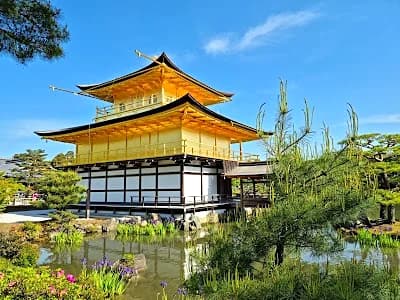
Kyoto in winter is cold in a way that rewards good layers. Temples are quieter. Gardens look different with frost on the moss. Some sights have shorter hours, so confirm each one the day before.
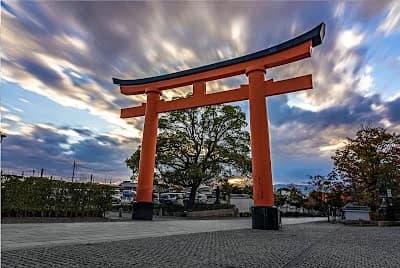
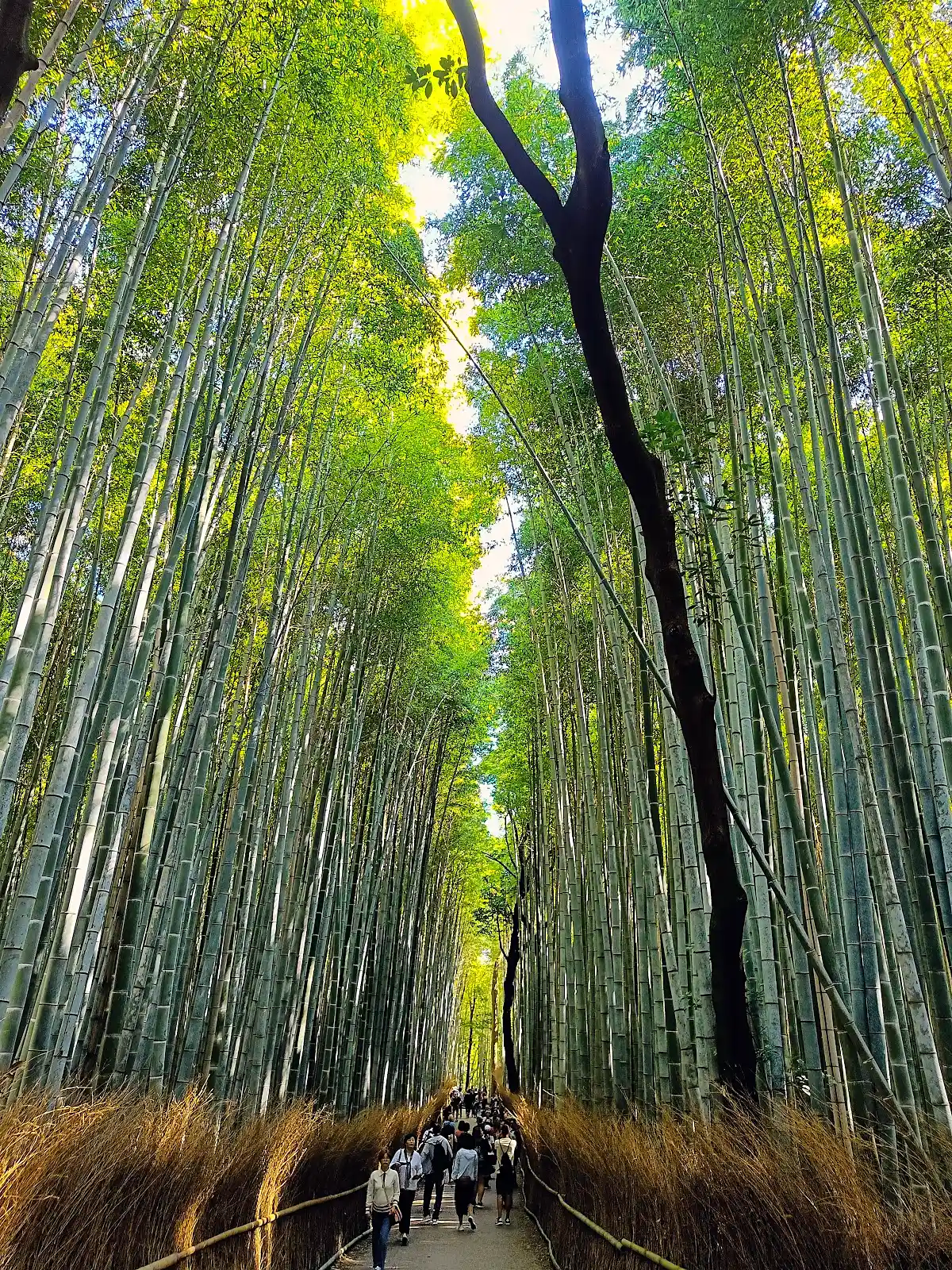
A sensible Kyoto block: day five is the eastern temples and lanes on foot. Day six is the bamboo grove and western temples early, then the gates at Fushimi Inari when the afternoon light is low. Day seven is Nara or Osaka by a short train. Day eight is free for Osaka food, or for one more slow Kyoto morning.
Where to put the snow day
If you want proper snow, you have two options. Nagano gives you snow, onsen towns and the famous bathing macaques, and it is a day or an overnight from Tokyo. Hokkaido gives you deep snow and a very different mood, but it is a flight, which means a night or two you take from the rest of the plan.
My rule: if you are short on days, choose Nagano on day four from Tokyo and keep the rest intact. If you have twelve days or more, Hokkaido earns its own block. Do not try to squeeze both into ten days. The shinkansen is quick. It is not magic.
What to pack and what to book first
Pack for being cold between buildings and warm inside them. Thin layers, a windproof outer coat, gloves, a hat and shoes you can slip off quickly, since many temples, inns and restaurants ask you to remove them. A small cloth for hand-drying helps because many public toilets have no towels.
Book in this order. First, flights, because December and the New Year week fill early. Second, your Tokyo hotel near a major station. Third, Kyoto, ideally a smaller place within a short walk of a subway or train stop. Fourth, one ryokan night if you want it, which tends to sell out for weekends.
⚠️ The New Year closures
Around the New Year, many shops, restaurants and some attractions close for several days, while shrines get busy. If you travel then, book dinner and check opening dates before you commit to any plan that depends on a single place.
Cash still matters in smaller places. Cards work in most big shops and hotels, but small restaurants and shrines may not take them. Withdraw yen once at the airport and again as needed. The tourist tax-free shopping rules are changing too, so keep receipts and your passport handy. Our note on the Japan tax-free refund rules covers the detail.
The japan in winter itinerary rule of thumb: three nights or the plan fails
Rule of thumb: never stay fewer than three nights anywhere in winter. Short days mean you lose the afternoon to dusk, and cold weather makes packing and unpacking more tiring than it sounds. Two-night stops turn into transit with a hotel attached.
The second part of the rule is to leave one empty half-day per city. Weather will rearrange something. A late start after a long dinner will rearrange something else. An empty half-day absorbs both.
I have built itineraries that were tighter than this. Every one of them had a version of day six where I was ahead of the plan and behind on sleep. The ten-day version above is deliberately boring. That is the feature.
What Vani can do for this itinerary, and what she cannot
Vani, G8Trip's AI assistant, can build the ten-day plan from your dates and starting city, then adjust it when you say you want Nagano instead of Osaka. She can search live flights into Tokyo and out of Osaka, show hotels with free cancellation, check the weather for your dates, and give you a booking checklist so you can see what is still unbooked. If you want the shapes to compare, try planning it with Vani here.
What she cannot do is check whether a particular temple has shortened its winter hours this week, or promise snow on the day you arrive. For both, look at the official page and the forecast the day before. She also will not stop you from adding a fourth city. That is a you problem.
Is Japan worth visiting in winter?+
How many days do you need for Japan in winter?+
Where should I go for snow in Japan?+
Can Vani plan a winter Japan trip for me?+
Ten days, three bases, one coat. Book it. The itinerary was good enough two drafts ago, and Oscar, my dog, has already ruled that the second draft was the same as the first.
Ready to plan your trip?
Let Vani, our AI travel assistant, build your perfect itinerary.
Start planning for free →