Japan Itinerary: Two Weeks That Cover the Essentials
AI can generate a Japan itinerary in under ten seconds. The average first-timer will still spend four hours reading conflicting forum posts about the JR Pass, change their mind twice about whether Hiroshima is worth fitting in, and ultimately book the same Tokyo hotel the first search result suggested. This is a well-documented phenomenon. Japan triggers planning paralysis in otherwise decisive people more reliably than almost any other destination.
Part of that anxiety is earned. Japan rewards preparation more than most countries — train timings matter, certain temple entry slots fill up weeks ahead, the ryokan in Kyoto you want books out in high season. But most of the anxiety is misplaced. A japan itinerary for two weeks is actually not that complicated once you accept a single constraint: Tokyo, Kyoto, and Osaka, with one or two day trips, is already a complete trip. Adding Sapporo, Fukuoka, and Okinawa into the same two weeks means travelling every two days and seeing everything briefly.
Japan is a country that rewards depth. Commit to the core triangle. Save the rest for a second trip — and there will be a second trip.
💡 Two Weeks in Japan, Structured
A workable japan itinerary: 4 days Tokyo → 1 day Nikko, Hakone, or Kamakura → 3 days Kyoto → 1 day Nara → 2 days Osaka → 1 day Hiroshima if time allows. The 14-day JR Pass covers all shinkansen legs on this route and pays for itself quickly.
How a Japan Itinerary Breaks Down Over Two Weeks
The Tokyo–Kyoto–Osaka spine is the right framework for a first japan itinerary. Everything else — Hiroshima, Nara, Hakone, Nikko, Kamakura — is a day trip or an add-on from one of the three main bases. None of them require a separate overnight stay to see properly.
Four days in Tokyo is correct. Three feels rushed once you account for day-one jet lag adjusting your ability to actually take anything in. Five starts to feel like you're filling time rather than experiencing the city. Tokyo is enormous and dense and does not respond well to the 'I'll just wander and see what happens' strategy the way some cities do. Have a rough plan for each day, even a loose one.
Three days in Kyoto is right for a first visit — enough for the major temples, an early morning at Fushimi Inari, and an afternoon in Gion without feeling hurried. Two days in Osaka is the minimum. If you have a third Osaka day, use it for Hiroshima by bullet train. The return trip is about 90 minutes each way on the shinkansen, which makes it a real day trip rather than an exhausting one.
That leaves two or three days of travel and buffer. The Tokaido Shinkansen between Tokyo and Osaka is the main artery — buy the JR Pass before you leave home and the logistics simplify considerably.
Tokyo: Four Days Is the Right Number for a Japan Itinerary
Tokyo needs structure, not a plan. The difference matters: structure means knowing which neighbourhood you're in each day. A plan means a list of seventeen things you'll get through nine of.
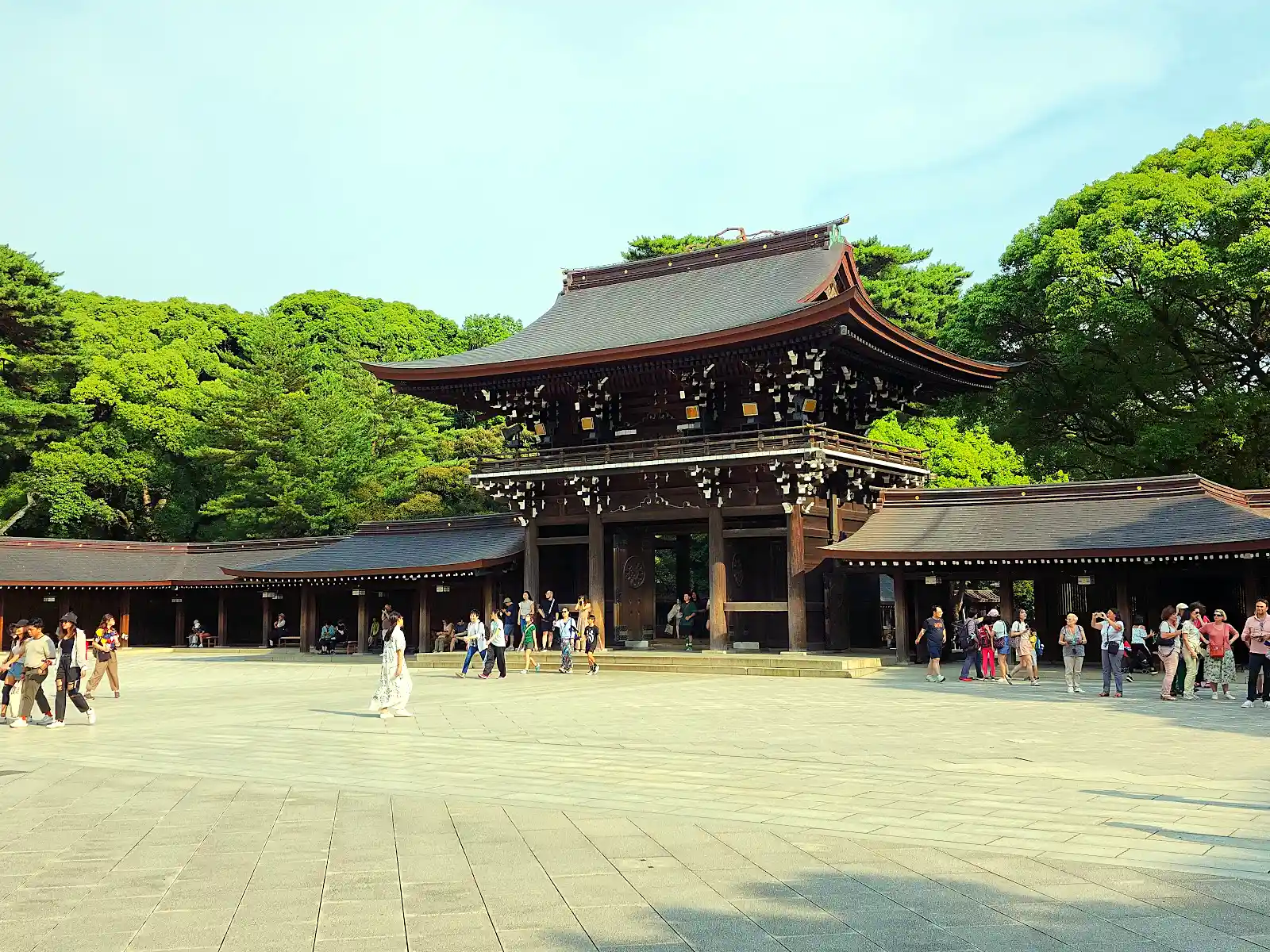
Day one: Shinjuku and Harajuku. Meiji Shrine in the morning for a quiet contrast to the station area, then the Harajuku shopping streets, then Shinjuku at night for the neon and the density. Day two: East Tokyo — Asakusa, Senso-ji temple, Ueno park and museum district if that's relevant. Day three: Shibuya crossing, the Roppongi art district, and whatever neighbourhood you've been saving. Day four is your departure day toward Kyoto via shinkansen, or the day you take a day trip.
Day Trips Worth Taking From Tokyo
Kamakura is the lowest-commitment option: 50 minutes by train from Shinjuku, the Great Buddha, a coastal walking path, and you're back for dinner. If you're uncertain between the options, this is the right default.
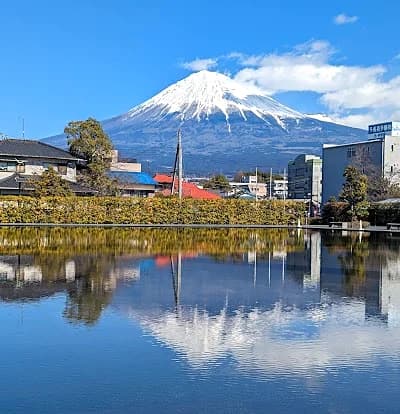
Hakone is the right call if the weather is clear and Mount Fuji is visible — the lake view at Hakone is one of the better days out of Tokyo, and genuinely forgettable if cloud covers the mountain all day. Check the forecast 48 hours out.
Nikko is for people who want elaborate temple complexes in a mountain setting. The Toshogu shrine is extraordinary and probably the most ornate thing you'll see in Japan. A full day is needed — it's a two-hour train each way, so factor that into the realistic touring window.
Kyoto and Osaka: The Second Half of Your Japan Itinerary
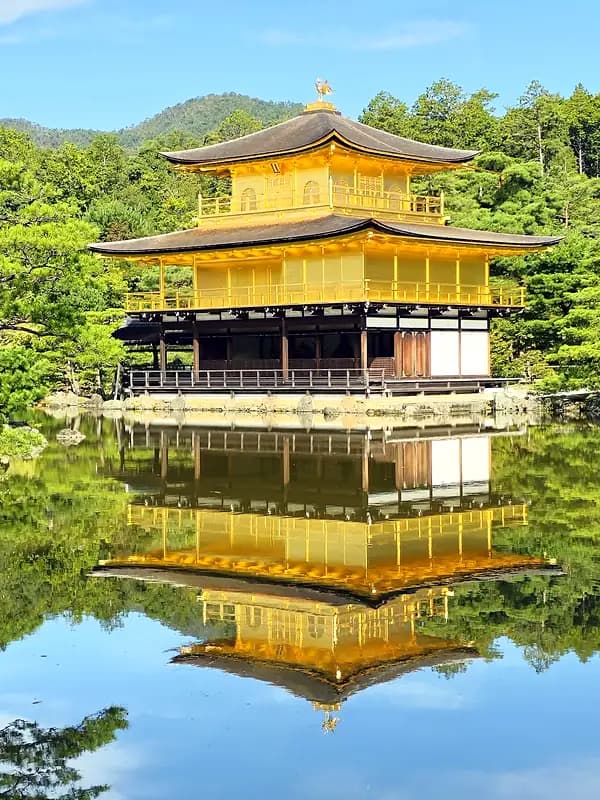
Three days in Kyoto is the right call for a first visit. Enough time for Fushimi Inari (go before 7am — the lower torii gates are shared with several hundred people by 9am, which is manageable; the upper trails are quieter at any hour), the Arashiyama bamboo grove (same early-morning logic), and a slow afternoon in Gion. Kinkaku-ji is worth seeing once. It is more impressive in person than in photographs, which is a higher bar than most tourist sights manage to clear.
Nara is a half-day: 45 minutes from Kyoto by train, the deer are real and will eat your map, Todai-ji temple is one of the largest wooden structures in the world, and a single afternoon is sufficient. Don't stay overnight — Kyoto is a better base.
Osaka is louder, less formally beautiful, and in many respects more enjoyable than Kyoto as a place to spend time. Two full days: Dotonbori at night, street food at any hour (Osaka has the strongest case of any Japanese city for eating your way through a neighbourhood), Osaka Castle in the morning before the crowds. If you have a third day in the region, Hiroshima is 90 minutes by shinkansen and makes one of the more affecting days of the entire japan itinerary — Peace Memorial Museum and the A-bomb Dome, both within walking distance of each other, both requiring more time than most people allocate.
📌 The JR Pass: Worth It on This Route
The 14-day JR Pass covers unlimited travel on shinkansen and most JR lines — Tokyo to Kyoto, Kyoto to Osaka, Osaka to Hiroshima all included. On the full two-week route described here, it pays for itself within the first few legs. Buy it before arrival — purchasing inside Japan at standard price is significantly more expensive.
One Rule of Thumb for a Japan Itinerary
Leave one day unscheduled. Not a spare-in-case-of-delay day — an intentionally empty day that you plan to use for nothing specific.
Japan is a country where the incidental things — a shrine you walked past, a ramen counter with three seats and no English menu, a temple garden you found because you took the wrong exit — are often better than the things your itinerary was optimising toward. You need unstructured time to find them. A japan itinerary that runs at full capacity every day is technically efficient and experientially thin.
The easiest way to build this in: don't add a third day trip. Use that day to not rush somewhere you already are.
What Vani Can Handle for Your Japan Trip
Building a japan itinerary on G8Trip works well for this route because the structure is defined enough for Vani to be specific. Tell Vani your travel dates, where you're flying from, how you want to pace each city, and whether Hiroshima is a priority. Vani builds the day-by-day plan and searches live flights from your city to Tokyo.
For the JR Pass: Vani generates a Klook booking link for the pass purchase, which needs to happen before you arrive in Japan. It also handles Klook links for paid experiences that require advance booking — teamLab Planets in Tokyo, tea ceremony sessions in Kyoto, and similar things that fill up several weeks ahead in high season.
Visa requirements are a real consideration here. Indian passport holders require a visa for Japan. Vani surfaces the current requirements checklist via Atlys. The application itself needs confirmed flight and hotel bookings, so don't leave it until two weeks before departure. Processing typically takes about a week under normal circumstances, longer during peak periods.
For hotels, Vani searches live pricing and availability via Cleartrip. In Kyoto specifically, if you want a ryokan-style property, mention it explicitly — Vani can filter for traditional accommodation types rather than defaulting to business hotels.
For mobile data, Vani connects you to Saily for a Japan eSIM — more convenient than renting a pocket WiFi device at the airport and cheaper than roaming.
Is two weeks enough for a Japan itinerary?+
Do I need the JR Pass for a two-week Japan trip?+
When is the best time to visit Japan?+
Do Indian passport holders need a visa for Japan?+
How far in advance should I book accommodation in Kyoto?+
Japan will reward the person who planned it more than the one who winged it. This is one of the few destinations where that statement is genuinely true and not just something travel writers say to sound organised. Book the ryokan. Buy the JR Pass before you land. Go to Fushimi Inari before 7am. You'll understand why when you get there — and probably start planning the second trip on the flight home.
Ready to plan your trip?
Let Vani, our AI travel assistant, build your perfect itinerary.
Start planning for free →