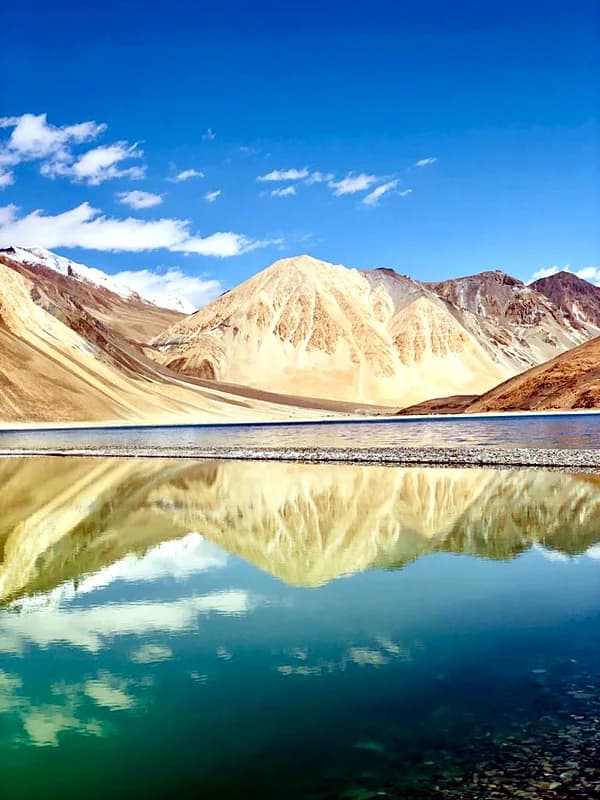
Ladakh Trip Planning: Read This Before Booking Flights
Most Ladakh trip plans get assembled in the wrong order. Flights first. Itinerary second. Permits and altitude acclimatisation somewhere around day three of frantic searching — usually after landing.
Ladakh is not a hard place to visit. But it is a different category of planning from most Indian trips. The seasonal window for road access is narrow. The best areas require permits that need lead time. The altitude at Leh is high enough that ignoring it for long enough tends to hospitalise people. Starting from flights and working backwards is how most Ladakh trips go wrong before they begin.
💡 Start with acclimatisation, not the wishlist
Block out two full rest days in Leh at the start of your trip. Ladakh trip planning that skips this step typically loses those days to altitude sickness anyway — just less deliberately. Build flights around this constraint, not the other way around.
Your Seasonal Window Changes Everything Else
Leh is reachable by air year-round. The ladakh trip planning calculus changes significantly if you want to include the overland journey — the Manali-Leh highway or the Srinagar-Leh route.
The Manali-Leh road typically opens in mid-June, once snow clears at the higher passes, and closes sometime between late October and November. The Srinagar-Leh route follows a similar pattern. If your plan includes arriving or departing overland, your window is June to October.
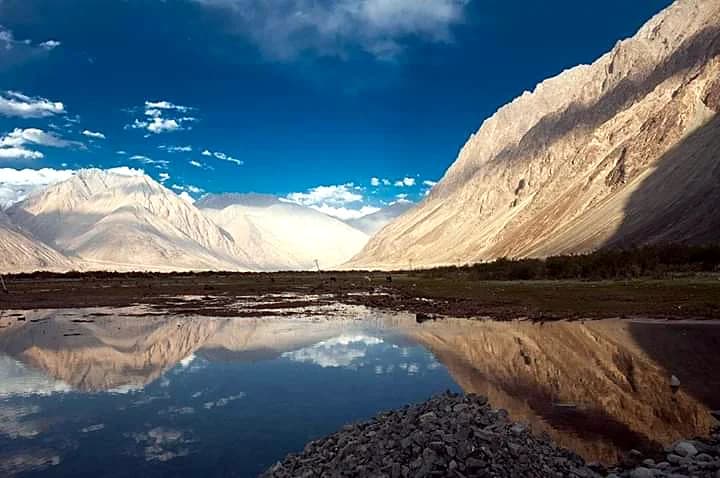
Within that window: July and August are when both routes are usually open and the main circuits are fully accessible. They are also the most crowded months. September is generally the better choice — conditions are drier, the skies are cleaner, and Nubra and Pangong are noticeably quieter. October is possible for flight-only access, but some high passes close before the main roads officially shut — a factor worth accounting for if any excursion depends on those passes.
Pick your travel month before anything else. Every other planning decision follows from it.
The Permit Situation Nobody Explains Early Enough
For Indian nationals
Indian nationals do not need an Inner Line Permit to enter Leh. But several areas beyond Leh — Nubra Valley, Pangong Tso, Tso Moriri — require an eco or protected area permit. These are arranged in Leh, through your hotel or a registered local operator. The process is not complicated; the mistake is waiting until you are at the checkpoint to sort it.
Handle permits on day one or two in Leh, not day four. The processing is typically fast, but the queues at permit offices are not.
For international travellers
Foreign nationals need a Protected Area Permit for most areas outside Leh city — Nubra, Pangong, Tso Moriri and others. Requirements have changed at various points; confirm current rules with the Jammu and Kashmir tourism authority or a registered Leh operator before you travel.
If you are visiting from outside India, contact a reputable local operator three to four weeks before departure. They manage permit paperwork routinely and know the current processing timelines. The permits are not the obstacle — getting them in time usually is.
The Acclimatisation Rule Most Ladakh Trips Ignore
Leh sits at roughly 3,500 metres above sea level. The airport is at a similar elevation. When you step off the plane, you are already at altitude — and altitude sickness does not announce itself immediately.
The standard guidance from high-altitude medicine: spend the first two days in Leh doing almost nothing strenuous. Light walks around the town. Leh Palace, which is a gentle uphill stroll, is fine. A four-hour drive to Pangong Tso on day one is not.
(I have spoken to enough Ladakh travellers who arrived feeling fine and were horizontal by day two. The common thread: they scheduled something at altitude for day one. The sample size is not small.)
Two rest days are not optional padding in a Ladakh itinerary. They are the load-bearing part of it. Cut them and you are not saving time — you are borrowing it from the rest of the trip.
How Many Days Ladakh Actually Needs
Seven days is the practical minimum for a trip that covers the main circuits: Leh and its surroundings, Nubra Valley, and Pangong Tso. The structure looks like this:
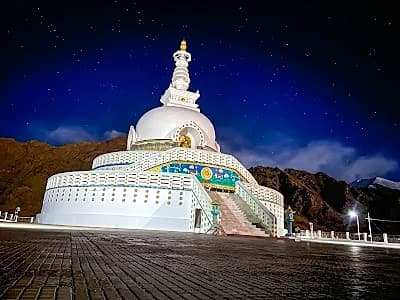
- Days 1–2: Leh acclimatisation. Leh Palace, Shanti Stupa, the market — all within town, all at consistent altitude.
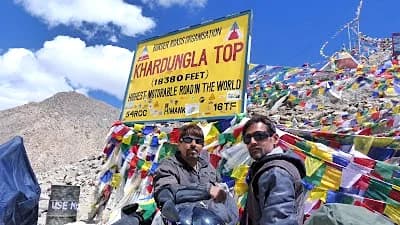
- Days 3–4: Nubra Valley via Khardung La. Diskit Monastery, the sand dunes at Hunder, an overnight in the valley.
- Days 5–6: Pangong Tso. The drive takes roughly five hours. One overnight gives you both sunset and sunrise at the lake.
- Day 7: Return to Leh, evening or morning flight out.
Ten days is more comfortable. Tso Moriri adds two days to that. The Zanskar Valley and Markha Valley trek are separate expeditions at a different planning horizon.
If you are trimming the itinerary to fit more destinations, and the first thing to go is the acclimatisation days, that is a planning error. The mountains are not going anywhere.
The One Rule of Thumb Worth Remembering
Rule of thumb: one major destination per driving day.
Ladakh roads are scenic, slow, and occasionally closed for reasons that have nothing to do with your itinerary. The drive from Leh to Pangong is roughly five hours in good conditions. Building an additional excursion into the plan on the day of arrival at Pangong is optimism dressed as an itinerary.
The travellers who come back from Ladakh with the best accounts of it are rarely the ones who covered the most ground. They are the ones who arrived two days early, drove without urgency, and left one day deliberately empty. That empty day tends to fill itself.
What Vani Can Handle in Your Ladakh Trip Planning
Flights to Leh — from Delhi, Mumbai, Bengaluru, Chandigarh — are searchable through Vani with live pricing via Cleartrip. You can compare dates before committing to a specific window, which is useful when you are working backwards from the acclimatisation constraint.
For hotels in Leh, Vani searches live availability filtered to your preferences — location, star rating, amenities. Most Leh stays are in guesthouses or small hotels near the market; the inventory is smaller than a city like Delhi, but it is real and bookable.
To start building a Ladakh itinerary around your dates, try Vani at G8Trip. Tell it which circuits you want to cover — Nubra, Pangong, Tso Moriri — and it will produce a day-by-day plan with driving days accounted for.
What Vani cannot handle: the permit process in Leh (go through a registered local operator), current road conditions on a specific day, or whether a particular pass is passable tomorrow morning. For those, you need a local operator or the Border Roads Organisation.
⚠️ Road closures don't follow your itinerary
The Manali-Leh and Srinagar-Leh highways can close for days — landslides, snow, border activity. Build at least one buffer day into any plan that uses either road, and do not book an onward flight for the morning after you are scheduled back in Leh from Nubra or Pangong.
When is the best time for Ladakh trip planning?+
Do Indian nationals need a permit for Ladakh?+
How many days does a Ladakh trip need?+
What is the biggest planning mistake for a Ladakh trip?+
Can Vani help with Ladakh trip planning?+
Pangong Tso at sunrise is exactly as good as people say it is — which is a high bar that it manages to clear without any marketing assistance. The acclimatisation days are the price of admission. Build them in, drive slowly, and resist the urge to add one more circuit on day six when you feel invincible. The mountain has been there for a long time and is in no particular hurry. Neither should you be.
Ready to plan your trip?
Let Vani, our AI travel assistant, build your perfect itinerary.
Start planning for free →