A London Trip Plan Works Best in Four Days, Not Ten
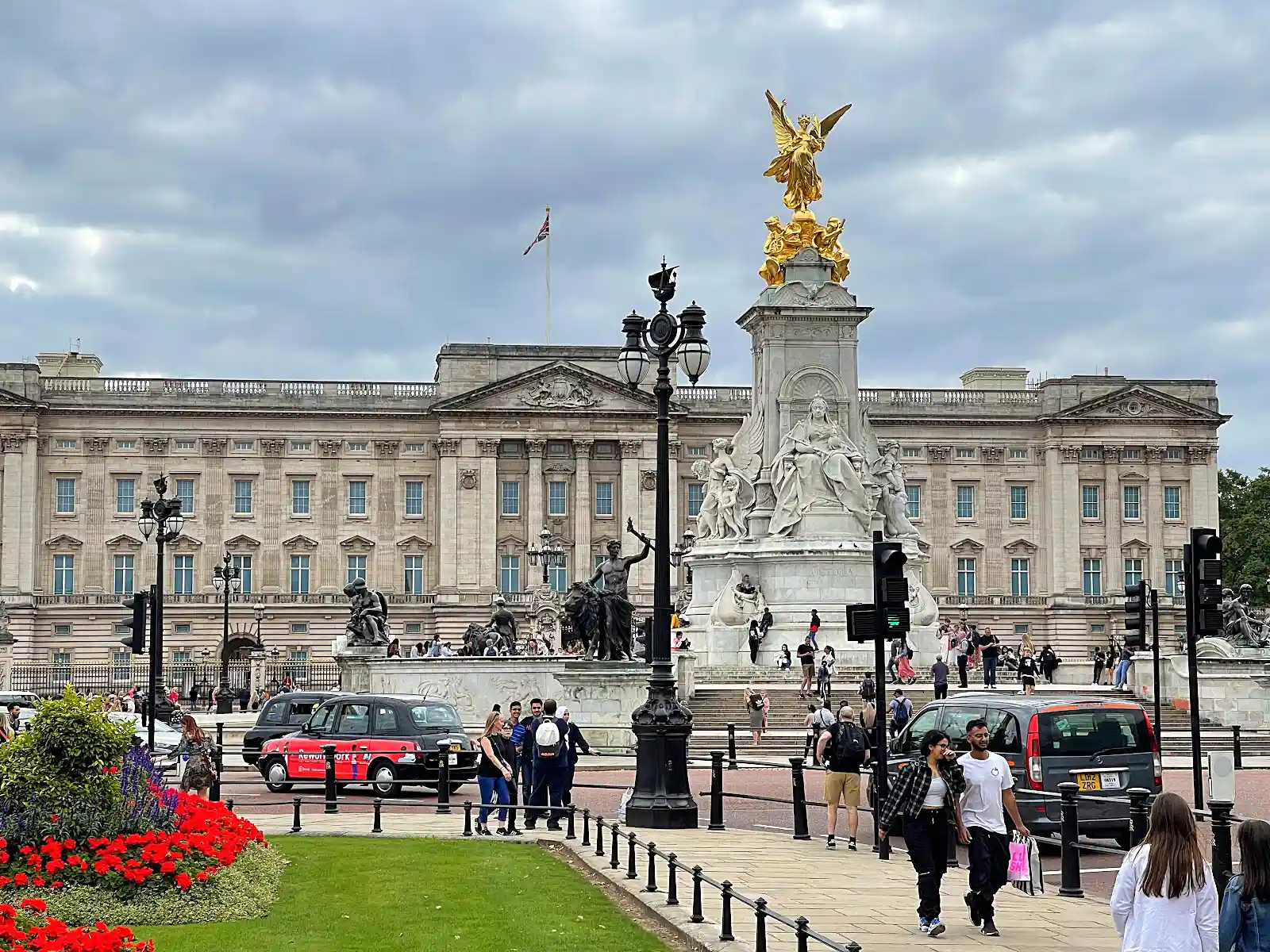
A London trip plan usually starts as a list: the Eye, the Tower, the British Museum, Buckingham Palace, Camden, Borough Market, a West End show, all four of the free museums that aren't actually free once you count the special exhibitions. Ten days later, half of it is still unticked and you've spent more time in queues than in front of anything you came to see.
ℹ️ The Short Answer
Four focused days beats ten scattered ones. Split London into zones — Westminster/South Bank, the City/East End, West End/Mayfair, and one day out (Greenwich or Windsor) — and cover one zone properly per day instead of criss-crossing the Tube for a to-do list.
A London Trip Plan Doesn't Need Ten Days — It Needs Zones
London is not compact. The Tower of London and Notting Hill are a 40-minute Tube ride apart, and that's before the walk at either end. A trip plan built as a flat list of attractions, sorted by nothing in particular, guarantees you'll cross the city three times a day chasing opening hours.
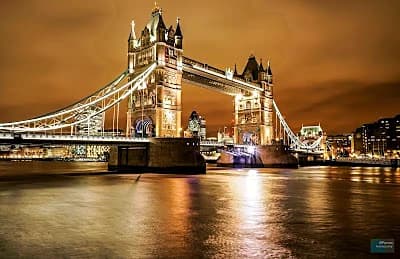
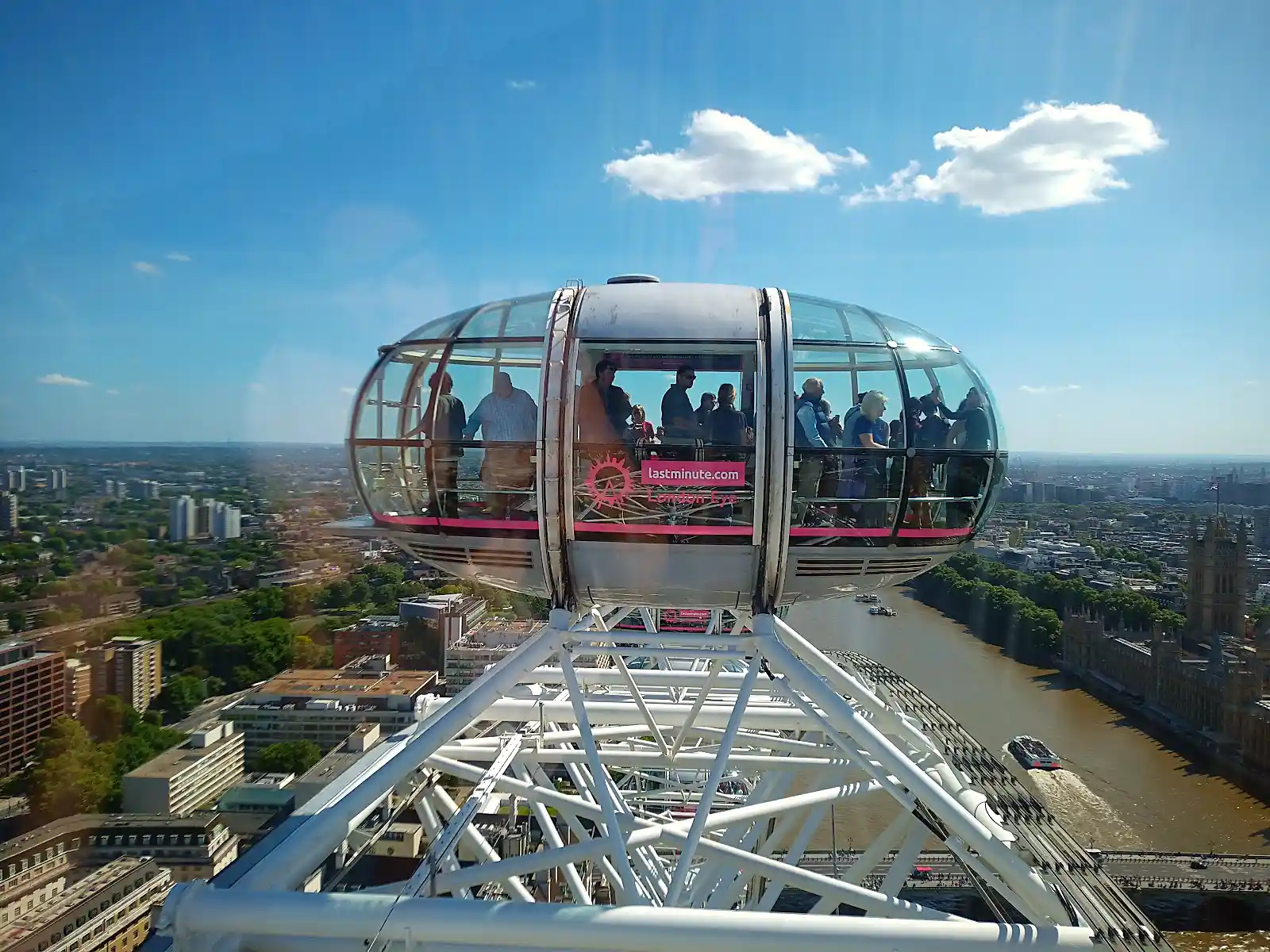
The fix is zoning, not shortening the list. Group everything by where it physically sits, then give each zone a day: Westminster and the South Bank (Big Ben, the Eye, Westminster Abbey, a walk along the river to Tate Modern), the City and East End (Tower of London, Tower Bridge, Borough Market, Shoreditch), West End and Mayfair (British Museum, Covent Garden, a show, Hyde Park), and a day out — Greenwich for the maritime history, or Windsor if you want a castle that isn't behind a rope barrier fifty rows deep.
Four days done this way covers more of what people actually came for than ten days done as a scattered list, because you stop paying a transit tax on every stop.
The extra days most people add aren't wasted on nothing — they're wasted on repetition. A second visit to Covent Garden because you were already nearby. A third pass through Oxford Street because it sits between two things you wanted to see. None of it was planned. All of it eats the buffer you'll want later in the trip.
Book the Timed-Entry Slots Before You Book Anything Else
London's paid attractions — the Tower of London, Westminster Abbey, most of the big exhibitions at the British Museum — run on timed entry, and the good slots go first. This is the one part of the plan that has to happen before hotels, before restaurants, before anything else, because it's the part with a fixed clock nobody controls but the venue.
Build the rest of each day around whatever timed slot you've locked in, not the other way around. A 10am Tower of London entry means breakfast near the Tower, not near your hotel in Kensington. Work backwards from the booking confirmation, not forwards from where you happen to be staying.
The Four-Day Zone Split, Written Out
Day one: Westminster and South Bank — Big Ben, Westminster Abbey (timed entry), a walk to the London Eye, across the river to Tate Modern and Borough Market for dinner. Day two: the City and East End — Tower of London (timed entry, book the early slot), Tower Bridge, Shoreditch in the evening. Day three: West End and Mayfair — British Museum, Covent Garden, Hyde Park, a show at night. Day four: one trip out — Greenwich by boat along the Thames, or Windsor Castle by train, both under an hour each way.
Pack for four seasons in one afternoon, regardless of which month you land in. London weather changes faster than the Tube map suggests, and a zoned day only holds together if you're not ducking into a shop every twenty minutes for shelter. A light layer and a compact umbrella do more for this itinerary than any attraction booking.
Where a Central Hotel Stops Being a Good Idea
A friend of mine once booked a hotel that looked perfect on the map — central, strong reviews, good price. What the listing didn't say: it sat on a main road with no soundproofing, the promised view was a gap between two buildings, and checkout was 10am against an evening flight. All of it was knowable in advance. None of it was obvious from the photos.
For this kind of London itinerary specifically, central doesn't always mean convenient. South Kensington or Bloomsbury put you within walking distance of two zones and a short Tube ride from the rest, usually for less than a hotel that's technically closer to Piccadilly Circus but backs onto a nightclub.
The line item that swings a London budget the most isn't the flight from India — it's the hotel. Nightly rates in zones 1 and 2 don't dip off-season the way flight prices do, so shaving one night off a ten-day plan saves more than most people expect.
The Rule of Thumb: One Zone, One Timed Slot, One Meal You Didn't Plan
💡 The One-Zone Rule
If a day's plan has you crossing London more than twice, it's not a day plan — it's two half-plans stitched together. Keep each day inside one zone and let the timed-entry booking anchor the rest.
The heuristic worth keeping past this trip: total trip cost in London isn't just the flight and the hotel, it's every Tube fare spent crossing the city to chase a list instead of a plan. A day that stays in one zone costs less in time and money than a day that doesn't, even before you count what you actually saw.
It also leaves room for the meal you didn't plan — the pub that wasn't on any list, the market stall two streets off the main one. A zoned day has slack built in. A cross-city day doesn't, because every hour is already spoken for by transit.
What Vani Actually Does for a London Trip Plan
Vani builds the day-by-day structure — which zone, which stops, roughly how packed or relaxed each day should be — once you tell her the dates, the starting point, and your travel style. Ask her to swap a museum-heavy day for something lighter and she'll rebuild that day, not the whole trip. You can start that conversation directly instead of opening another spreadsheet.
She also searches live flights and hotels through G8Trip's own booking flow (Delhi or Bengaluru to London, for instance), checks the visa question — the UK isn't part of Schengen, so the requirements are separate, and Vani will flag that distinction rather than lump it in with a Europe trip — and finds nearby restaurants or pharmacies once you're on the ground in whichever zone you're in that day.
What she won't do is guess which zone suits your pace better than you do. If you tell her "relaxed," she'll thin out the list; if you don't say anything, she'll default to a fuller day than most people actually want on holiday. Worth saying it upfront, the same way you'd tell a travel agent — except she won't forget by the second day.
How many days do you need for a London trip plan?+
Do I need to book London attractions in advance?+
Is London expensive to visit from India?+
Do Indian travellers need a visa for the UK?+
Can Vani help plan a London trip end to end?+
Somewhere around the third zone, standing in a queue that's moving slower than the Thames, you'll be glad you didn't try to fit Windsor and Greenwich into the same afternoon. London forgives a lot. It does not forgive an itinerary written by someone who's never used the Tube at rush hour.
Ready to plan your trip?
Let Vani, our AI travel assistant, build your perfect itinerary.
Start planning for free →