A Mauritius Itinerary That Does Not End at the Pool
Most Mauritius trips are structurally identical. You book a five-star resort on the north or east coast, spend the first two days at the pool adjusting to the time difference, do one glass-bottomed boat trip on Day 4, eat at the hotel buffet most nights, and fly home with a collection of sunset photos that could have been taken at roughly forty other resorts in the Indian Ocean region.
This is not a criticism of resort holidays — they serve a purpose. But Mauritius is one of the more geographically interesting small islands in the world, and a mauritius itinerary that restricts itself to the beach in front of your hotel misses the Seven Coloured Earths, the rainforest gorges, the Creole market in Port Louis, and the fact that Ile aux Cerfs looks nothing like any description of it manages to convey. Seven days is enough to do the island properly. Eight is comfortable. Here is the structure.
ℹ️ The 7-Day Mauritius Structure
Base yourself on the east coast (Belle Mare) or north (Grand Baie). Dedicate one full day to the south-west circuit (Seven Coloured Earths, Chamarel Waterfall, Black River Gorges). One day to Ile aux Cerfs by boat. One day to Port Louis and Pamplemousses Garden. The remaining days for beach, watersports, or doing less than you planned. Visa-on-arrival for Indian passport holders — no appointment required.
Why Most Mauritius Itineraries Stay Too Small
The resort model encourages staying put. Breakfast included, pool accessible, beach in front — every incentive points toward not leaving the property. The result is that a significant number of visitors return home having seen less of the island than a two-hour drive would have revealed.
Mauritius is compact. You can reach the south-western tip from the north coast in under an hour and a half. Basing yourself anywhere gives you access to the full island on day trips — provided you rent a car. Public buses exist but don't serve the key attractions at useful times. A rental car transforms what a mauritius itinerary can cover.
The geography divides into four zones: the north coast (Grand Baie, the liveliest area), the east coast (Belle Mare, the best beaches), the south-west (dramatic interior and Le Morne), and the central plateau (Port Louis and Curepipe). A good itinerary moves through at least three.
The Base Decision: North or East
Grand Baie (North): More Activity, Less Quiet
Grand Baie is the busiest part of the island — watersports operators, restaurants, bars, a shopping strip, and easy access to day cruises to the northern islets. If you're travelling with people who want organised activity, a social atmosphere, or easy access to catamaran trips, Grand Baie makes the most sense as a base.
The downside: the Grand Baie beach itself is not the island's best. The bay is shallow and often busy with boat traffic. The north-coast beaches are functional rather than spectacular. You'll likely spend time driving south for better swimming if the beach is the priority.
Belle Mare (East): Better Beaches, Quieter Pace
Belle Mare has what most people mean when they picture Mauritius from the outside: wide white-sand beaches, shallow turquoise lagoons protected by the reef, and a slower rhythm. The east coast catches the trade winds, which keeps it cooler than the west in summer but occasionally windy. Resort density here is high but the atmosphere is quieter than the north.
The practical consideration for Indian travellers is that the east coast is closer to Sir Seewoosagur Ramgoolam International Airport, which makes the arrival and departure days shorter. If the mauritius itinerary goal is maximum beach time with good day-trip access to the rest of the island, Belle Mare is the correct base.
The South-West Day Trip That Defines the Mauritius Itinerary
This is the day most resort-only visitors miss and the one that makes Mauritius feel like more than a beach.
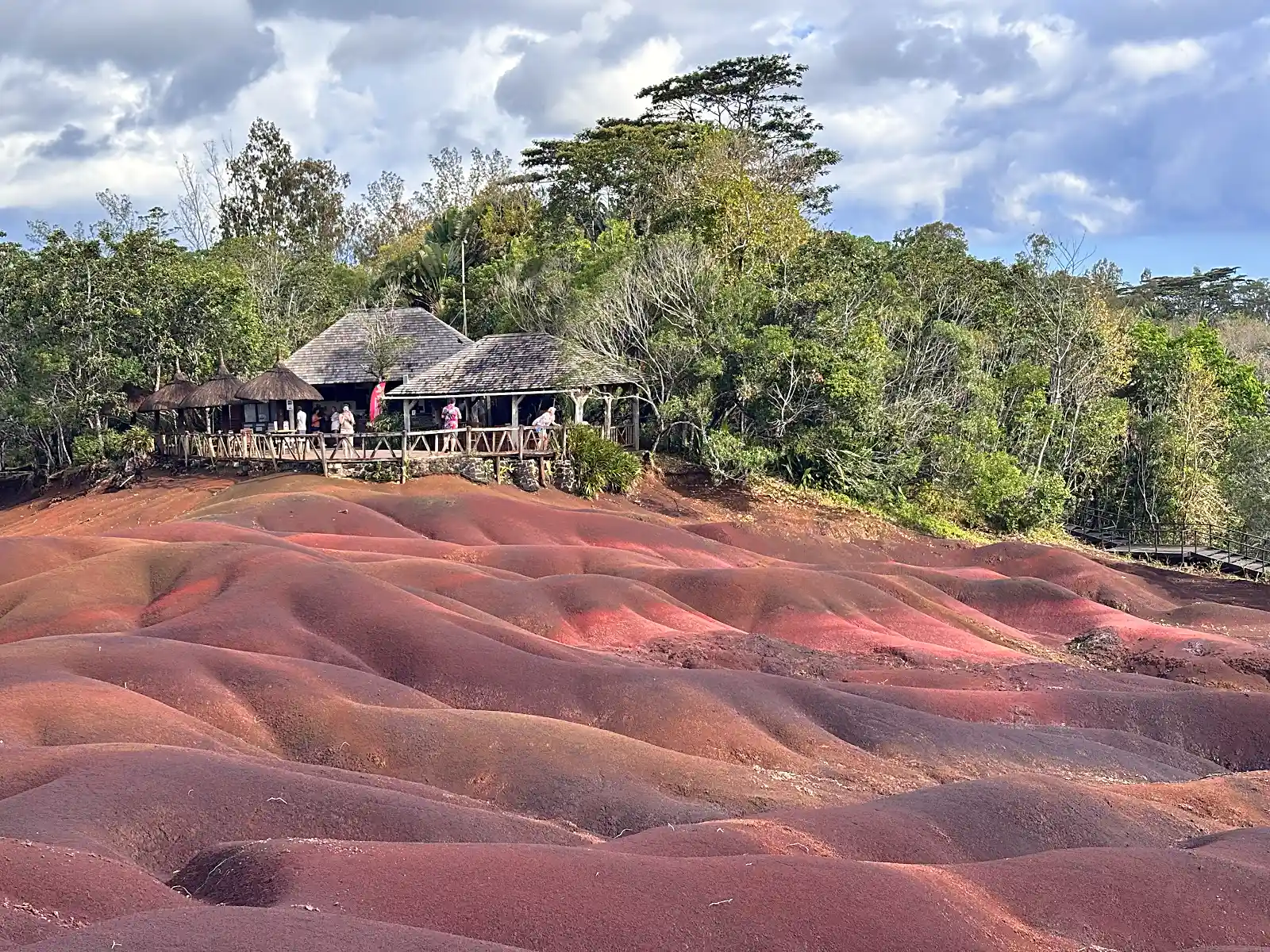
The Seven Coloured Earths at Chamarel is a geological phenomenon — volcanic soil cooled into seven distinct colour layers. It looks manufactured but isn't. The site is small; 20 minutes is enough. Don't let tour operators turn it into a three-hour stop.
The Chamarel Waterfall is a few minutes' drive away — a single drop through dense forest. Spectacular after rain, quieter in the dry season, worth the detour either way.
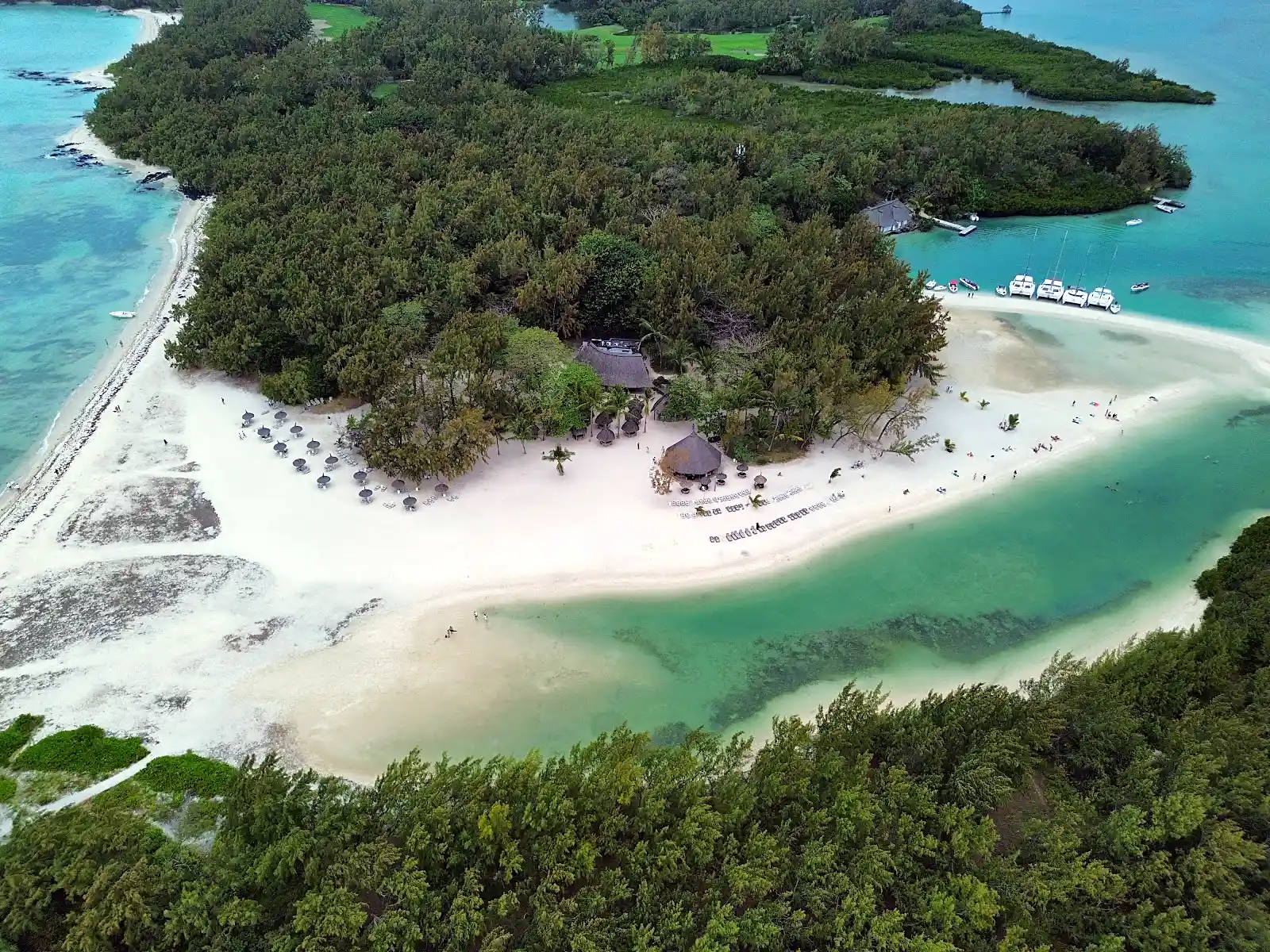
Black River Gorges National Park is the best hiking on the island. The Gorges Viewpoint is accessible without a full hike; the Macchabée Ridge trail requires better shoes than most resort visitors pack. Even a short walk into the park reveals how dense and green Mauritius's interior is — a genuine surprise after the coastal experience.
Combine all three in one day, start early, and you're back for dinner. The route also passes through Chamarel village, which has a rum distillery worth a stop.
Ile aux Cerfs and Port Louis: The Other Two Full Days
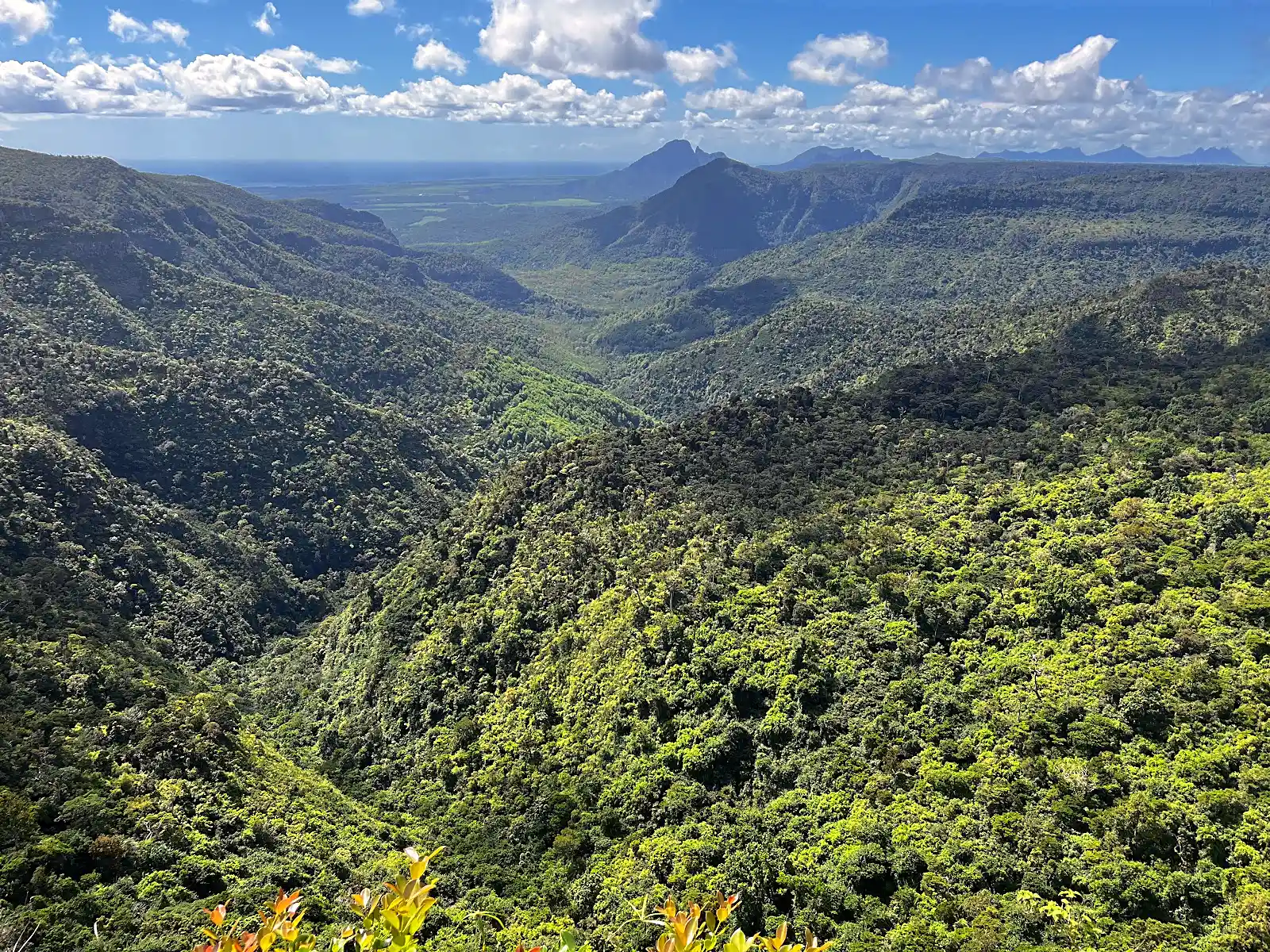
Ile aux Cerfs is a private island off the east coast, accessible by speedboat from Trou d'Eau Douce. The island has beaches, a golf course, water sports, and a lagoon that photographs better than almost anything else in Mauritius. Day trips include boat transfer, lunch, and facilities — book through a recognised operator, not beach touts. Go on a weekday if your schedule allows; it gets crowded at weekends and peak season.
Port Louis is worth a half-day. The Central Market is the reason — Creole produce, street food, and a crowd that gives a more accurate picture of who actually lives here than any resort beach does. The Caudan Waterfront is pleasant but essentially a mall; the Blue Penny Museum near it covers the island's history and is worth an hour. Pamplemousses Botanical Garden, north of Port Louis, has giant Victoria water lilies and an impressive palm collection. Combine it with Port Louis on the same day.
The Mauritius Itinerary Rule of Thumb
Seven days covers the resort base, the south-west circuit, Ile aux Cerfs, and Port Louis — with two to three days remaining for beach time. Eight days is comfortable. Under six means choosing between the interior and the island day trip, which is a worse trade-off than it sounds.
The best time to visit is May to December, outside the cyclone season (roughly January to March). June to September is peak dry season — clear water, low humidity, ideal conditions. October and November offer good weather at lower prices. July and August are busy with European tourists.
Rule of thumb on accommodation: Mauritius has a wide range from budget guesthouses to ultra-luxury resorts. Five-star rack rates are often more negotiable than they appear — all-inclusive packages for Indian travellers through aggregators can come in significantly below the room-only price. Always compare all-inclusive against room-only plus eating out, particularly if you plan to spend several days off-property doing the day trips above.
📌 No Visa Required for Indians
Indian passport holders receive a visa-on-arrival in Mauritius, valid for up to 60 days, at no charge. You need a return ticket, proof of accommodation, and sufficient funds for your stay — the standard checklist. No consulate appointment, no advance fee, no waiting.
How Vani Handles a Mauritius Trip From India
A Mauritius trip from India involves return flights (typically via Mumbai or Chennai, with Air Mauritius, IndiGo, or Air India as the main options), resort or guesthouse booking across the east or north coast, and a handful of activity bookings for the day trips that make the itinerary worth doing.
Starting the planning on G8Trip with Vani means telling it your dates, your base preference (north or east coast, resort or guesthouse, budget range), and how much driving you're comfortable doing. It builds the day-by-day structure from there and searches live hotel inventory via Cleartrip — filtering by beach access, pool, breakfast inclusion, or whatever matters to you. For the day trips, Vani generates booking links for Ile aux Cerfs tours, underwater sea walks, and the south-west circuit through Klook and GetYourGuide.
Visa information comes through the conversation automatically — Vani confirms the visa-on-arrival status for Indian passport holders and surfaces travel insurance options from multi-provider quotes. For mobile connectivity, it links to Saily eSIM options that cover Mauritius. It won't make the decision for you about whether Grand Baie or Belle Mare is right for your travel style — but it will show you what both options look like in terms of hotels and proximity to the activities, which is usually enough to decide.
Do Indians need a visa for Mauritius?+
How many days is enough for a Mauritius itinerary?+
What is the best time to visit Mauritius?+
Is renting a car necessary in Mauritius?+
What should I not miss on a Mauritius trip?+
Mauritius is one of the few destinations where the trip you describe to people when you get back — the colours at Chamarel, the lagoon at Ile aux Cerfs, the market chaos in Port Louis — sounds nothing like what the booking photos promised. That gap is the island doing its job correctly. Pack actual walking shoes alongside the flip-flops. You'll need both.
Ready to plan your trip?
Let Vani, our AI travel assistant, build your perfect itinerary.
Start planning for free →