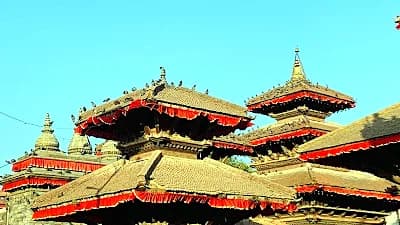
A Nepal Itinerary That Plans Around Altitude, Not Just Days
Most people build a nepal itinerary the way they'd build one for Goa — pick the highlights, space them across a week, done. Nepal does not cooperate with that approach. Kathmandu sits at roughly 1,400 metres, Pokhara at around 800, and the moment your plan includes even a short trek, you're negotiating with altitude, not just a calendar. Altitude does not care about your return flight. Most itineraries also assume every day of a Nepal trip moves you forward. The honest version assumes at least one day doesn't, and plans for it instead of being surprised by it.
ℹ️ The Short Answer
A workable nepal itinerary runs 10–12 days: 2–3 in Kathmandu, 3–4 in Pokhara, and the rest split between a short trek and buffer days. Never schedule a mountain flight or a trek start on the same day as anything else important.
Why Most Nepal Itineraries Fall Apart Above 1,000 Metres
Kathmandu's elevation alone isn't the problem — people live there fine, year-round. The problem starts when an itinerary stacks Kathmandu, a flight to Pokhara, and a trek into the hills back-to-back, with no day where the only plan is to do less. Mountain flights in Nepal get delayed or cancelled for fog and wind often enough that you should plan for it, not hope around it — Kathmandu–Pokhara and the smaller airstrips further west are some of the more weather-sensitive routes on the subcontinent. Build a same-day connection between a flight and a trek start, and you've built a single point of failure into a trip that took real money and real leave days to get here.
Honestly, the fix isn't complicated: every elevation change deserves at least half a day on either side where nothing depends on the weather cooperating. That's not caution for its own sake — it's the difference between a trip that absorbs a delay and one that collapses around it. (Try this first: check the Kathmandu–Pokhara flight cancellation pattern for your travel month before you lock the rest of the schedule around it.)
There's also a paperwork layer most itineraries skip entirely. Any trek into the Annapurna region needs a TIMS card and an ACAP permit, both available in Kathmandu or Pokhara within a day — but only if you've left a day for it. Decide on the trek before you land, not after you've already booked three nights in Pokhara with nothing built around the extra half-day this takes.
Ten Days, Three Cities, One Honest Schedule
Days 1–3: Kathmandu Earns Its Reputation Slowly
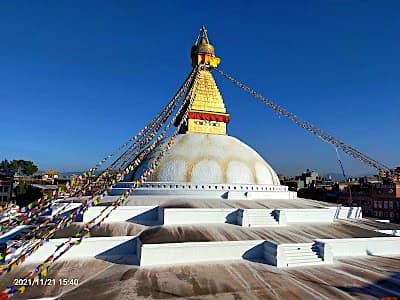
Day one is for arriving and doing nothing that requires altitude adjustment — Kathmandu's elevation is gentle, but a long-haul arrival plus jet lag plus a new city is enough load for one day. Days two and three cover Durbar Square, Boudhanath, Swayambhunath, and Patan at a pace that allows for getting lost once, which you will. Skip the temptation to add a fourth temple to day two just because it's nearby. The DIY traveller's instinct is always to do one more thing; the itinerary's job is to say no on your behalf.
Days 4–7: Pokhara, the Lake, and the Trek Decision
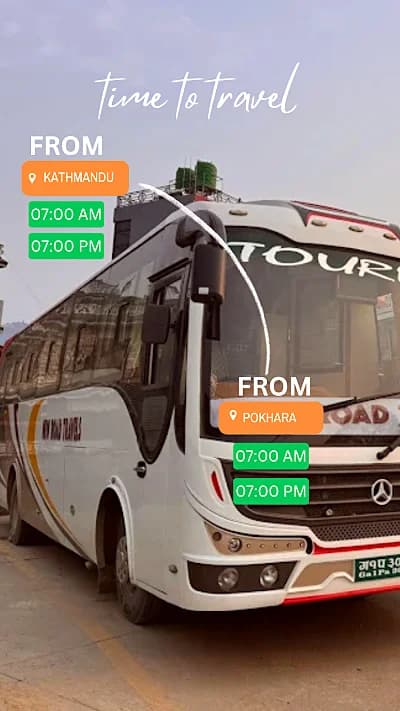
Fly or take the 6–7 hour road route to Pokhara — flying saves the day but adds the weather risk discussed above, so build a spare day around it either way. Pokhara itself is a lower-key few days: Phewa Lake, the World Peace Pagoda, and a genuinely good rest before deciding whether you're trekking. This is also where you decide, honestly, whether a multi-day trek fits your remaining days and fitness, or whether a day hike to Sarangkot for sunrise is the right-sized version of the same idea. Fair enough if it's the latter — not every nepal itinerary needs to end at a base camp. Phewa Lake is worth an unhurried afternoon on a rented boat — not because it's spectacular, but because doing nothing near water after three days of temple-hopping resets the trip's pace. If Sarangkot is on the list, book the 5am taxi the night before; sunrise spots fill up and taxi drivers don't negotiate well at 4:30am.
Days 8–10: The Buffer Nobody Plans For
If you trekked, days 8–9 are recovery and a flight buffer back to Kathmandu before your international departure — never book an international flight for the same day you come down from altitude. If you didn't trek, this is where a Chitwan add-on or a second pass through Kathmandu's old town fits. Either way, the last 24 hours before departure should have zero dependencies on anything weather-related. Plan the rest of your trip in one conversation instead of juggling flight tabs, trek operator emails, and a Pokhara hotel booking separately.
The Nepal Itinerary Rule of Thumb: One Buffer Day per 1,000 Metres
If you remember nothing else from this nepal itinerary: every 1,000 metres of elevation gain — Kathmandu to Pokhara to a trek start — earns one buffer day where nothing is scheduled. It's a rough heuristic, not a medical guideline, but it forces the right question at the right time: what happens if this specific day goes wrong? Nine times out of ten, the answer is "nothing, because I built in slack." The tenth time is exactly when you'll be glad you did. It also works in reverse — if you're not gaining elevation, you probably don't need the buffer day. Don't apply trekking caution to a flat week of sightseeing in Kathmandu's old town.
What Vani Actually Does With a Nepal Trip
Vani builds the day-by-day structure — Kathmandu, Pokhara, optional trek, in the order and pace that fits the days you've got — and pulls current weather for your travel window so you're not guessing about the monsoon. She'll surface visa information too, though Indian travellers can already enter Nepal with just a valid photo ID, no visa required, which is one less thing to plan around. Vani also searches live flights into Kathmandu and hotels in both cities with real pricing, all inside G8Trip's own booking flow.
What she doesn't do: call a teahouse on the Annapurna route to confirm a room, or promise a mountain flight will run on schedule. Nobody can promise that, including the airline. Vani plans around the risk; she doesn't remove it. That part's still on you and the weather.
If you've already got a Kathmandu–Pokhara flight and a Pokhara hotel booked separately, Vani can pull both into one booking checklist so you're not cross-referencing three confirmation emails the night before a trek. She'll also flag it if your total spend drifts past what you told her at the start — useful when a quick gear rental in Pokhara turns into renting half a trekking shop.
How many days do I need for a nepal itinerary covering Kathmandu and Pokhara?+
Do Indian travellers need a visa for Nepal?+
Is it better to fly or drive from Kathmandu to Pokhara?+
What's the best time of year for a nepal itinerary that includes trekking?+
Can Vani plan a Nepal trip that includes a trek?+
The mountain doesn't read itineraries. Build the buffer days anyway — Vani can reschedule a hotel. Nobody can reschedule fog.
Ready to plan your trip?
Let Vani, our AI travel assistant, build your perfect itinerary.
Start planning for free →