Norway Itinerary: The Fjords Are Further Than They Look
Most first attempts at a Norway itinerary treat the country like a compact European capital tour — Oslo for two days, Bergen for two more, a fjord cruise squeezed in between, done in a week. Then someone checks the map properly and realises Norway runs roughly the length of India, north to south, just narrower and with a lot more water in the way. The fjords are real, the trains are genuinely scenic, and none of it is close together. A workable Norway itinerary starts by admitting the country is bigger than the two cities everyone photographs, and building the route around distance instead of around a checklist.
ℹ️ The Short Version
For a first Norway itinerary, spend 2-3 days in Oslo, 2-3 in Bergen, and 3-4 days in the fjord region around Flåm or Geiranger. Ten to twelve days covers the essentials without turning half the trip into train and ferry transfers.
How Many Days Does a Norway Itinerary Actually Need
Oslo earns two days, not because it's short on sights but because most of what matters — the Opera House, Vigeland Park, the waterfront at Aker Brygge — fits into a relaxed 48 hours without rushing. Treating it as a five-day base, which some itineraries do, just means padding the schedule with museums you weren't that interested in to begin with.
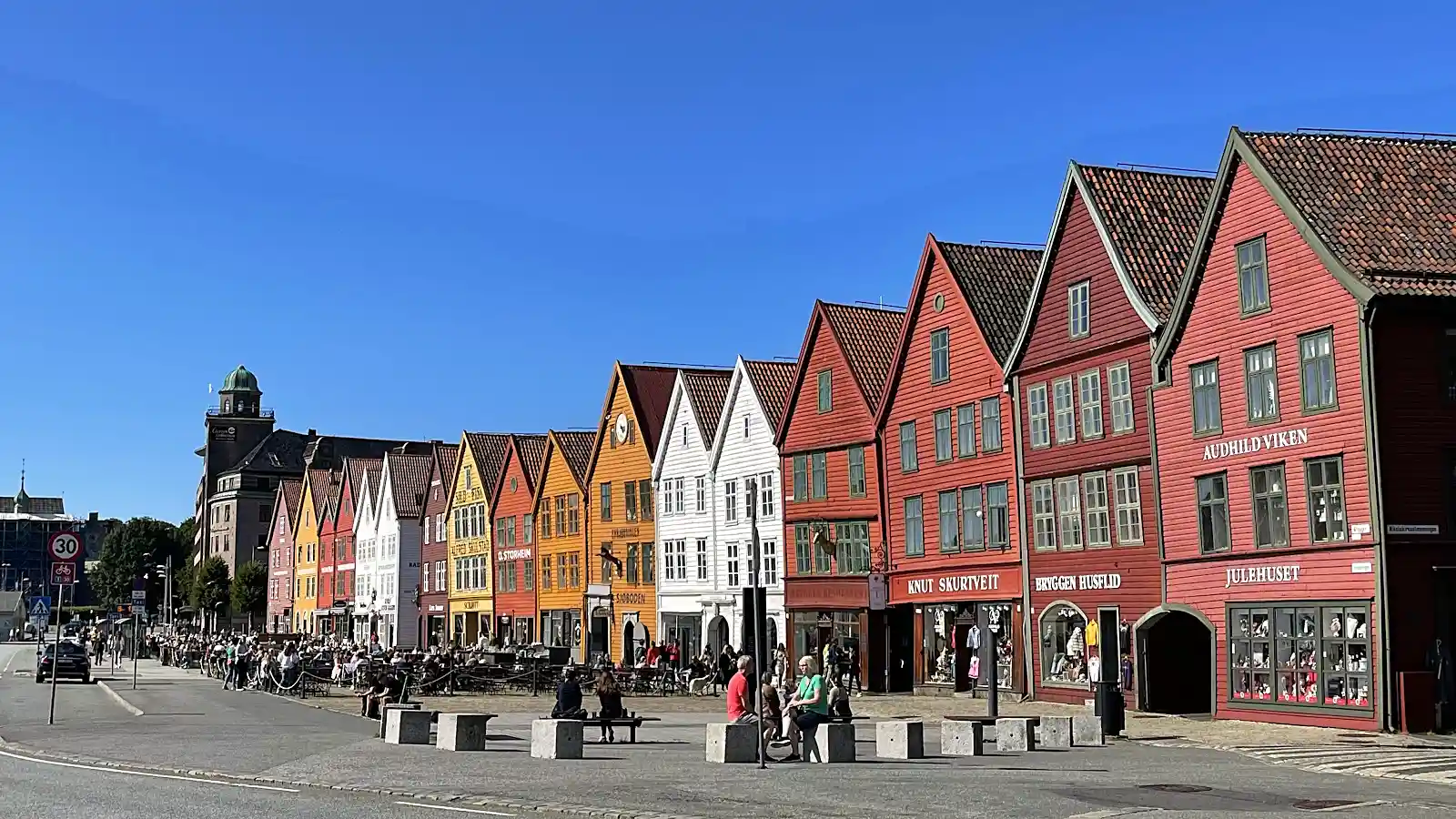
Bergen is where the trip actually starts to earn its reputation. The city itself, with Bryggen's wooden wharf houses and the funicular up Mount Fløyen, takes a day and a half properly done. But Bergen's real job is being the gateway to the fjords, and that's where the extra days belong — not in the city, in what leaves from it.
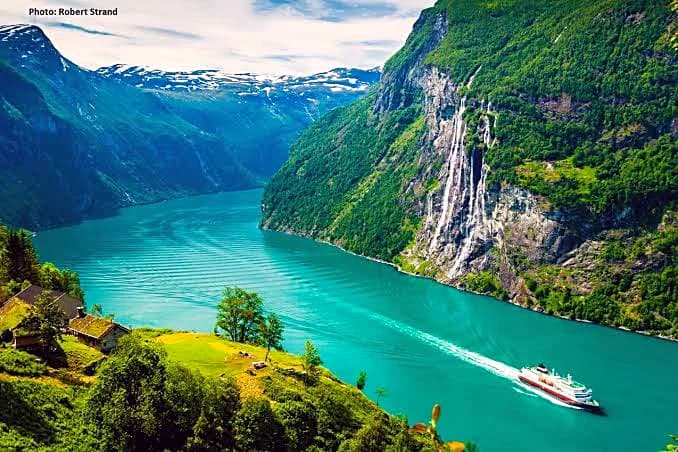
The fjord region is the part every itinerary underestimates. Flåm, Geiranger, and the villages around them aren't a single afternoon detour; they're the reason the trip exists. Budget three to four days here minimum, more if you want to actually hike rather than just photograph from a viewpoint. Ten to twelve days total gets you Oslo, Bergen, and a proper fjord stretch without spending half the trip in transit — a genuine risk on a country this shape if you don't plan for it.
Factor in the flight from India too. There's no direct route yet, so most travellers connect through Doha, Istanbul, or Amsterdam, which adds a travel day on each end that a lot of first drafts of a Norway itinerary forget to budget for. Build arrival day and departure day as half-days, not full sightseeing days, and the rest of the schedule stops feeling rushed before it's even started.
📌 The Bergen Railway
The train between Oslo and Bergen crosses one of Europe's highest rail routes and takes around seven hours. Treat it as part of the trip, not a transfer to sleep through.
Oslo Isn't Where the Trip Happens — Bergen and the Fjords Are
Oslo is the easiest city to fly into and the one most travellers default to as a base for longer than they should. That's a mistake if it eats into fjord time. Split the days properly instead of letting flight logistics decide the itinerary for you.
Getting to Bergen Is Part of the Itinerary, Not a Gap in It
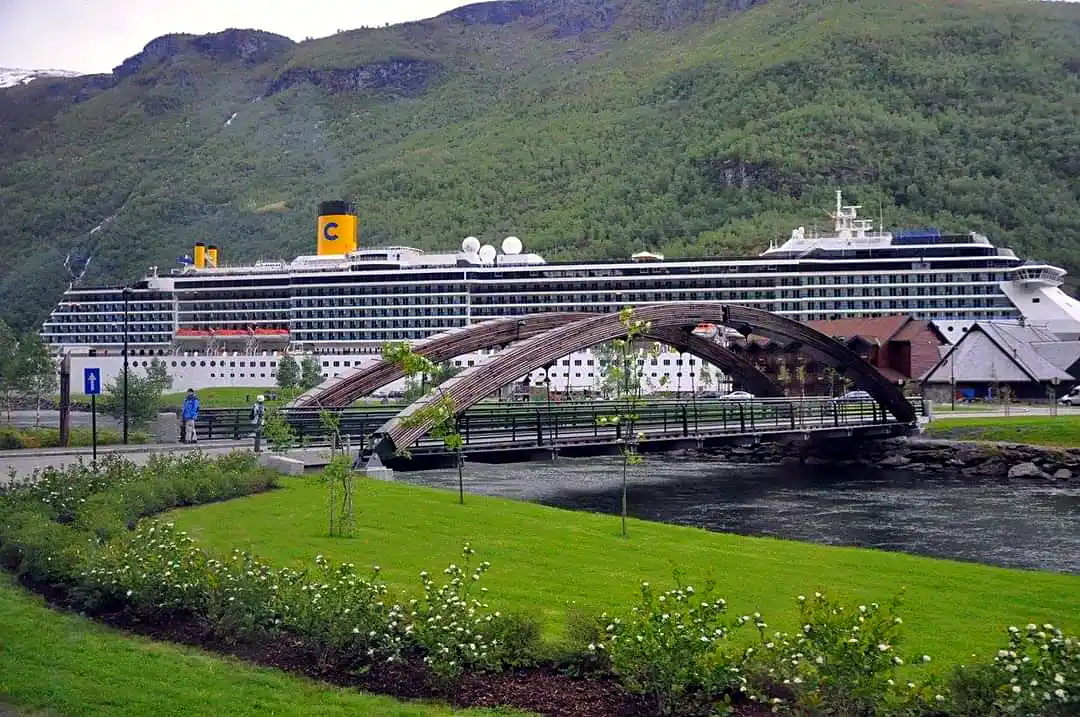
The train from Oslo to Bergen isn't a red-eye to be slept through. It climbs over the Hardangervidda plateau, crosses stretches of snow well into summer, and connects to the Flåm Railway — a branch line that drops nearly a thousand metres in under an hour through waterfalls and switchbacks. Most travellers treat this leg as logistics. It's closer to the main event.
Book the train a few weeks ahead if you're travelling in peak summer, June to August — seats on the scenic side sell out before the ordinary ones do, and there is a scenic side. Short on time? Flying Oslo to Bergen and doing the Flåm Railway as a standalone day trip from Bergen still gets you the best part without the full seven-hour ride.
Choose One Fjord Base, Not Three
Geirangerfjord and the Sognefjord region around Flåm and Nærøyfjord are the two most itineraries try to combine. Both are worth seeing. Neither is close to the other — getting between them eats most of a day on buses, ferries, and connections that don't always sync.
Pick one as your fjord base for this trip and treat the other as a reason to come back, the way most repeat visitors to Norway eventually do. Flåm is the easier base if you're relying on trains; Geiranger rewards travellers willing to rent a car and drive some of Norway's more dramatic mountain roads, switchbacks up to the Dalsnibba viewpoint included.
The Rule of Thumb: One Fjord, Properly, Beats Three From a Bus Window
Norway rewards travellers who commit to fewer places and more time in each. A single fjord, walked, hiked, or kayaked, tells you more about the country than three fjords seen through a coach window on a marathon day tour.
(This is the same lesson that applies to most itineraries, and the same one most people ignore on their first trip anywhere.)
If you only have a week, that's not enough time for Oslo, Bergen, and the fjords properly — pick two of the three and do them well. Adding Lofoten or Tromsø for the northern lights turns this into a genuinely separate trip, not an extension of the southern loop, and should be budgeted as such rather than bolted onto the end of an already full ten days.
What Vani Actually Does for a Norway Trip
Tell Vani you're planning ten days between Oslo, Bergen, and Flåm, and it builds a day-by-day route that accounts for the actual travel time between them — not a flat list of sights sorted by rating. It searches live flights and hotels through G8Trip's own booking flow, which matters in Norway specifically, where hotel prices in small fjord towns swing hard depending on cruise ship schedules you'd have no way of knowing about otherwise.
Norway isn't in the EU but is part of the Schengen area, so the same visa rule applies as the rest of the region — Vani checks the requirement against your passport and dates and links to Atlys for the actual application. It'll also pull the weather forecast for your travel window, which matters more here than in most destinations; a fjord cruise in fog is a different trip from the one in the brochure.
What it won't do is know that you'd rather skip the Bergen funicular because you did something similar in Switzerland last year — it plans from what you tell it, not what it assumes. Say so, and the itinerary adjusts. Start the plan here and correct it as the trip takes shape.
How many days do I need for a Norway itinerary?+
What's the best time of year for a Norway itinerary?+
Do Indian passport holders need a visa for Norway?+
Should I rent a car in Norway or rely on trains?+
Is Norway expensive to travel around?+
Norway will not compress into a week no matter how good your spreadsheet is. Give the fjords the days they're asking for, and the trip stops feeling like a checklist and starts feeling like the reason you flew here. Browse more destination guides before you lock the dates in.
Ready to plan your trip?
Let Vani, our AI travel assistant, build your perfect itinerary.
Start planning for free →