
Armenia's Best Monastery Isn't the One on Every Postcard
Every Armenia itinerary sends you to Geghard on day two, in a bus with thirty other people, to photograph a monastery carved into a cliff that looks exactly like it does in the photo you already saw. It's not wrong. Geghard earns its reputation. But it's also the one stop where you'll spend more time waiting for a gap in the crowd than looking at the actual carving. Armenia has a dozen monasteries that do the same thing — silence, stone, a view that makes you stop talking mid-sentence — without the queue. Nobody puts them on the four-day itinerary because they take an extra hour to reach. That hour is the whole point.
This isn't a knock on the classic route. It's the default because it works, and if you've only got a long weekend, it's still the right call. This is for the second visit, or the traveller who's already seen the postcard shot and wants the version that isn't on it.
ℹ️ The short version
Keep Geghard on the list — it's worth one visit. Then spend your second monastery day on Noravank, Haghartsin or Etchmiadzin instead of a second cliff-carved chapel that looks like the first. Pick one direction out of Yerevan and commit to it rather than looping back for everything.
Why Armenia's Hidden Monasteries Get Skipped in the First Place
Most Armenia trip planning starts from a 4-day template built around Yerevan, and every template repeats the same three stops: Geghard, Khor Virap, Lake Sevan. All three are genuinely good. None of them are wrong choices. The problem is that a 4-day template has no room left for anything that isn't on it — and Armenia's offbeat monasteries all sit slightly off the direct road, in the Vayots Dzor and Tavush regions, which templates route around rather than through.
This is a planning-software problem more than a travel problem. A generic itinerary optimises for "most famous sites in fewest days," which is a reasonable default and also exactly why every Armenia trip photo looks the same. The moment you extend the trip by even a day or swap one Yerevan afternoon for a detour, a completely different set of options opens up — and none of them require giving up the sites everyone told you to see.
Geghard vs. the Monasteries Nobody Photographs
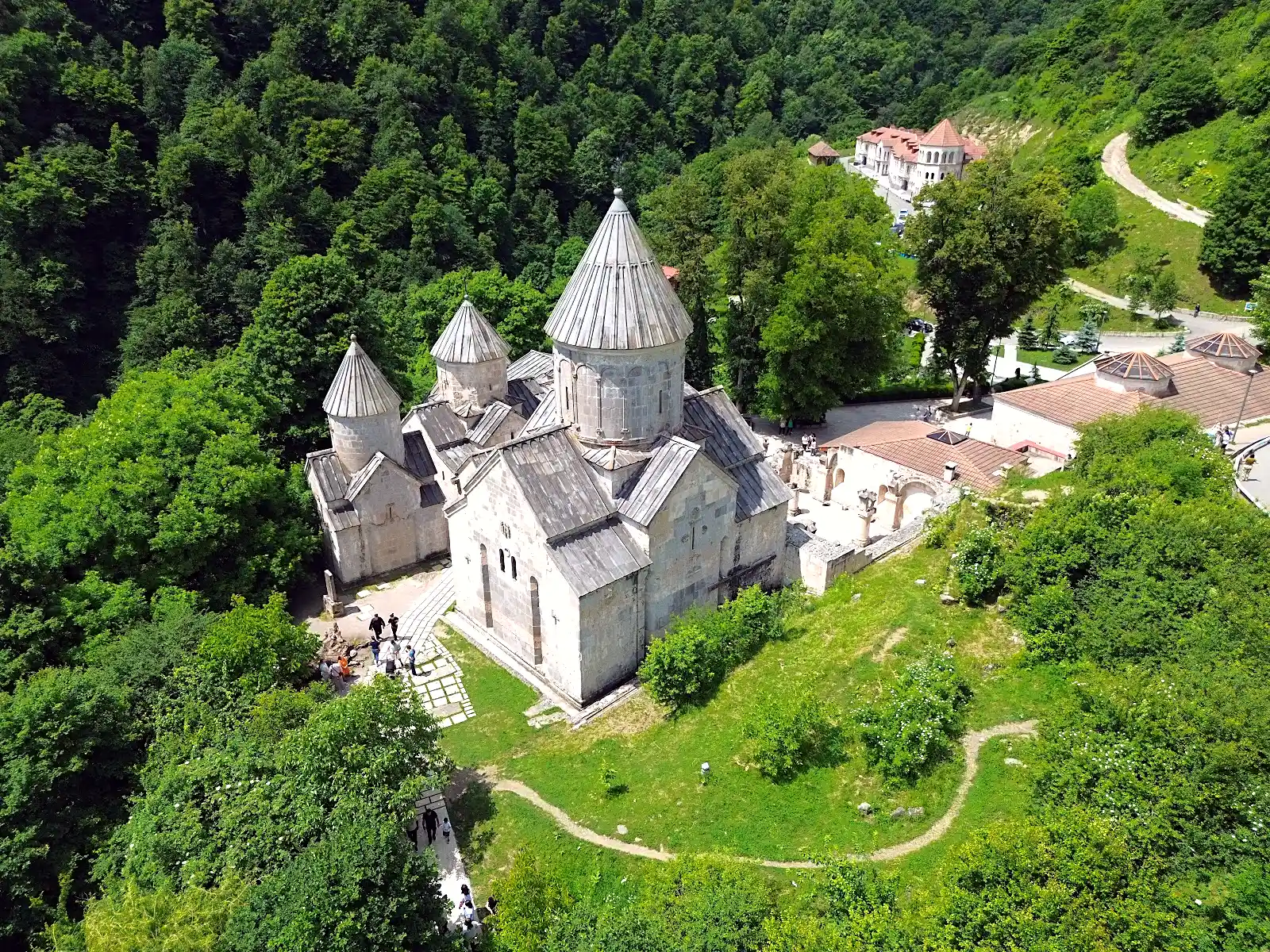
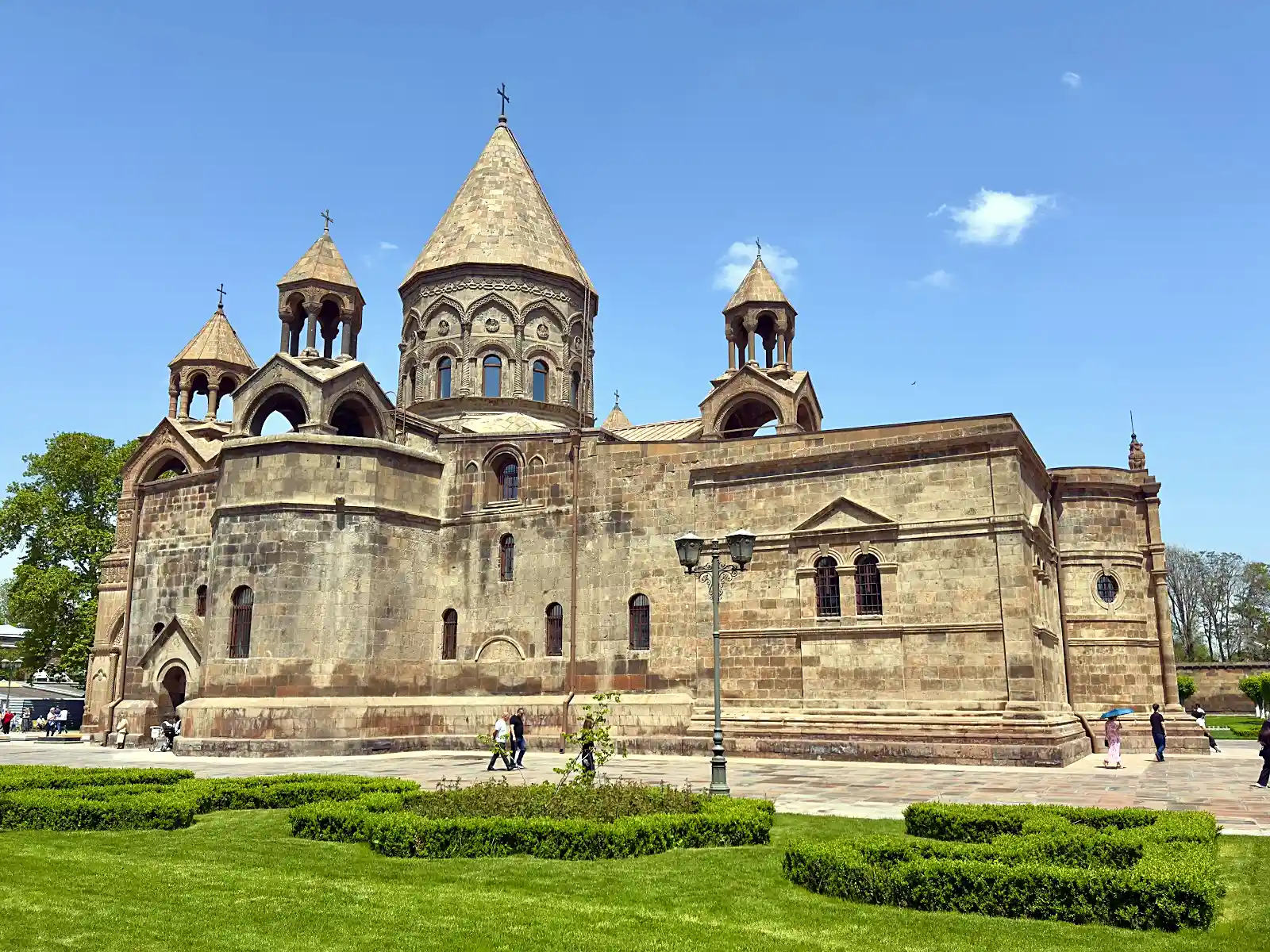
Noravank sits at the end of a narrow gorge road, red cliffs on both sides, and the monastery itself has a stone staircase built into the outer wall that most visitors don't expect. Haghartsin, up in the forested Tavush region, feels closer to a monastery still in use than a monument — because it is one. Etchmiadzin, Armenia's mother cathedral and the seat of the Armenian Apostolic Church, is arguably more historically significant than Geghard and gets a fraction of the visitors, mostly because it's a working religious complex rather than a dramatic cliff shot.
None of these require special access or a guide who knows a secret path. They're on the map. They're just not on the template, and the gap between "on the map" and "on the itinerary" is where most of Armenia's best stops quietly disappear.
The Monastery Route Locals Actually Take
Locals don't try to see everything in one loop out of Yerevan. They pick a direction and go deep on it, which is the opposite of how most first-time itineraries are built. Two directions cover almost everything worth seeing:
South, toward Vayots Dzor: Khor Virap first (it's on the way and the Ararat backdrop is worth the stop), then Noravank, then back. This is a single, unhurried day.
North, toward Tavush and Dilijan: Haghartsin and the forested monasteries around Dilijan, which double as a break from the arid landscape most of Armenia's south delivers. This works better as an overnight than a day trip — Dilijan itself is worth a night, and basing there means the northern monasteries stop feeling like a detour and start feeling like the main event.
Pick One Direction, Not a Loop
The mistake we see most often in trip planning conversations is someone trying to combine both directions into a single long day because the map makes it look connected. It isn't, not really — the roads curve around mountain terrain, and what looks like a two-hour detour on a flat map becomes a much longer one in practice. Fair enough if you've only got one day and have to choose. Choose the direction with the sites you actually want to see, not the one that looks more efficient on paper. Nine times out of ten, the traveller who tries to do both ends up rushing the second half and remembering none of it clearly.
The Rule of Thumb for Building an Armenia Monastery Day
One big, famous monastery per day. One quiet one. Never two famous ones back to back — you'll spend the second visit comparing it to the first instead of actually looking at it, and after the third stone archway of the day, they all start to blur regardless of how impressive any individual one is.
If you're using our itinerary planner to build the rest of the trip, tell it explicitly that you want one offbeat stop per travel day. A generic prompt like "Armenia itinerary" will default to the same three famous sites every template uses — you have to ask for the detour. It's a small prompt change, and it's the difference between an itinerary that looks like everyone else's and one that doesn't.
How This Fits Into the Rest of an Armenia Trip
A week in Armenia has room for both directions without feeling rushed, if you accept that Yerevan doesn't need three full days to itself. Two is plenty for the city — the markets, Republic Square, the walk up to the Cascade — which frees up the rest of the week for the south and north monastery routes plus a slower day at Lake Sevan.
If you're tighter on time, the honest trade-off is this: the south route (Khor Virap and Noravank) delivers more per hour of driving than the north route, so it's the one to keep if you're forced to choose. The north route rewards a traveller who has the extra day to spend, not one trying to tick a box.
What Vani Actually Does Here (and Where You're On Your Own)
Vani builds the day-by-day structure — which monastery pairs sensibly with which drive, where to base yourself for the northern route, what to book ahead versus what to decide on the day. Tell it you want to skip the standard three-stop loop and it will route around Noravank, Haghartsin or Etchmiadzin instead of defaulting to them as add-ons. It can also pull Armenia's visa requirements and flag anything you need sorted before departure.
What it won't do: stand in front of a 13th-century stone carving and tell you it's worth the extra hour. That part's still yours. (I've built an AI travel assistant and I still can't get it to feel awe on my behalf. Nobody's cracked that one yet.)
Is Geghard still worth visiting if I'm prioritising offbeat monasteries?+
How many monasteries should I actually plan to see in Armenia?+
Do I need to drive myself to reach the offbeat monasteries?+
Is Etchmiadzin worth visiting even though it's a working cathedral, not a ruin?+
What's the best time of year to visit Armenia's monasteries?+
Geghard will still be there, still full of tour buses, still worth the one visit. The monasteries nobody photographs will still be there too — minus the buses, minus the queue, plus about an hour of driving you'll stop resenting the moment you see where it leads.
Ready to plan your trip?
Let Vani, our AI travel assistant, build your perfect itinerary.
Start planning for free →