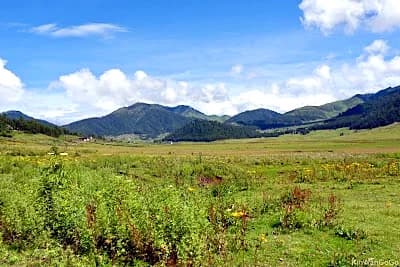
Offbeat Bhutan Goes Well Beyond Tiger's Nest Monastery
Every Bhutan photo looks the same: a monastery clinging to a cliff face, seen from the same viewpoint, taken by someone standing in the same line of hikers who all stopped at the spot where the trail photo works. Tiger's Nest is worth the climb. Offbeat Bhutan exists well beyond it, but most itineraries don't budget a single day for that part, mostly because the trip already ended at the one photo everyone came for. The country has more than one monastery and more than one mood, and almost none of it shows up on the same search results page as the cliffside one.
ℹ️ One Hike Isn't the Whole Country
Tiger's Nest gets the itinerary slot, the queue, and the photo. Haa Valley, Phobjikha's crane marshes, and Bumthang's temple-dotted farmland get a handful of visitors and considerably more room to actually look around.
Why Offbeat Bhutan Goes Well Beyond the Tiger's Nest Selfie
The direct answer: because Bhutan limits tourist numbers by design - a daily Sustainable Development Fee applies to every visitor - and most travellers spend that access on a single loop through Paro, Thimphu, and Punakha, with Tiger's Nest as the finale. That's a perfectly good few days. It's also a small fraction of a country that keeps far more forest standing than most nations bother to, and restricts development on principle, not by accident. The irony is that Bhutan already did the hard work of staying uncrowded. Most visitors then spend their entire trip in the three towns everyone else also picked.
Haa Valley sits close to Paro but stays off the standard route because it opened to foreign visitors later than the rest of the country and never made it into the default template. Phobjikha is a glacial valley that hosts migratory black-necked cranes every winter and has no traffic light, four-lane road, or chain hotel to speak of. Bumthang is Bhutan's spiritual heartland, dotted with temples older than most of what tourists queue for near Paro, and reachable only by a full day's drive that most itineraries decide isn't worth it. It usually is.
None of this requires a specialist trekking outfit or a permit beyond the standard visa and fee. It requires adding a day to a trip most people already shorten to save money elsewhere - usually on the domestic flight, which is the wrong place to cut corners in a country this compact.
Three Bhutanese Valleys That Never Make the Highlight Reel
Three stops worth adding to a standard Paro-Thimphu-Punakha loop, each reachable without doubling back on yourself if you plan the route in the right order.
Haa Valley, Open to Tourists But Skipped Anyway
Haa Valley sits an easy drive from Paro, through a mountain pass that most itineraries route past rather than through. The valley itself is farmland and pine forest with two of Bhutan's oldest temples tucked into it, and almost none of the infrastructure that's grown up around Paro and Thimphu. Locals still outnumber visitors here by a wide margin, which changes the texture of the visit - fewer souvenir stalls, more actual conversations, a slower version of the same Bhutan everyone else is rushing through not far away. Add it as a half-day loop from Paro rather than a separate overnight, and it barely disturbs the rest of the itinerary.
Phobjikha Valley, Where the Cranes Have the Right of Way
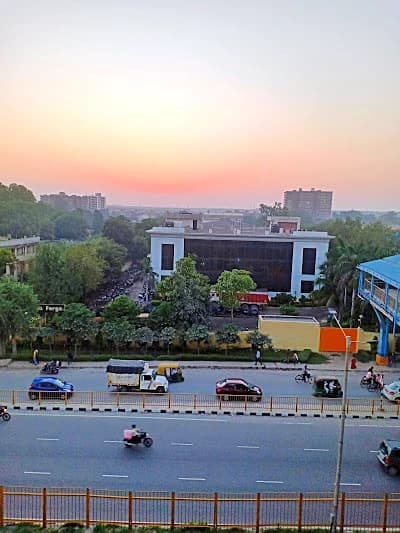
Phobjikha is a wide glacial valley without a single traffic light, reached by a mountain drive that keeps most tour buses away by default. Every winter, black-necked cranes migrate in from the Tibetan plateau and the valley reorganises itself around them - festivals, viewing hours, conservation rules, the works. Outside crane season it's simply quiet: farmhouses, a monastery on a ridge, and walking trails that don't require a permit or a group. It's the closest thing Bhutan has to genuine stillness. Build in an overnight rather than a drive-through - the valley rewards slowness more than any other stop on this list.
📌 The Fee Covers the Whole Country
Bhutan's daily Sustainable Development Fee applies to your visit as a whole, not per site. Adding Haa, Phobjikha, or Bumthang to your route doesn't cost extra beyond the logistics of getting there.
Bumthang, the Spiritual Heartland Nobody Budgets a Day For
Bumthang is a full day's drive east of the standard loop, which is exactly why most itineraries cut it. It's also home to some of the oldest temples in the country, valleys of buckwheat and apple orchards, and a pace of life that makes Paro feel like a transit hub by comparison. Travellers who make the drive tend to say the same thing afterward: that it should have been the centrepiece, not the extension. Bhutan's tourism authority seems to agree, quietly, without ever quite marketing it that way - Bumthang gets a fraction of the promotional budget Paro does, for reasons that have more to do with road access than merit.
The Rule of Thumb for Adding a Valley to Your Bhutan Route
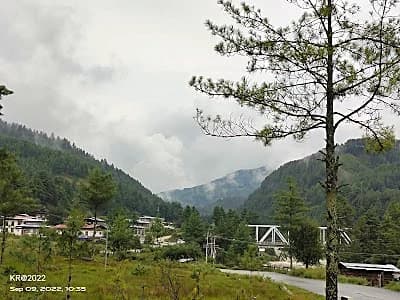
Rule of thumb: if a Bhutan stop requires a permit, a queue, and a fixed viewing time, it's already on everyone's list - go, but don't stop there. If a stop requires nothing but a drive and a reasonable expectation of near-empty roads, it's worth the detour. Haa, Phobjikha, and Bumthang all pass that second test. This isn't an argument against Tiger's Nest - the climb earns its reputation. It's an argument against treating one hike as the entire trip. Build a Bhutan itinerary around the standard loop plus one valley, and let the valley set the pace for at least one full day rather than squeezing it into an afternoon between two bigger stops.
What Vani Actually Does (and Doesn't) for Offbeat Bhutan
Vani can build a Bhutan itinerary that adds Haa Valley or Phobjikha to the standard Paro-Thimphu-Punakha route, sequence the drive so you're not backtracking across the same mountain pass twice, and pull current weather for each valley - genuinely useful for Phobjikha, where winter conditions in the high passes change the drive time more than most people budget for. It can also walk you through Bhutan's visa and Sustainable Development Fee requirements before you're deep into planning a route you can't actually book.
What it won't do: tell you whether the one guesthouse in Bumthang has space this week, or whether the cranes have arrived in Phobjikha yet this season. Bhutan runs on small margins - a handful of hotels per valley, a narrow migration window - and that kind of live, local detail is still a phone call away, not a chat window. Vani gets the route right. Check the travel guide hub for more destination breakdowns while the timing question waits on a human who's checked recently.
What are the best offbeat places to visit in Bhutan beyond Tiger's Nest?+
How many days do I need for a Bhutan trip that includes offbeat valleys?+
When is the best time to see the black-necked cranes in Phobjikha?+
Can Vani help plan a Bhutan itinerary that includes these offbeat valleys?+
Is it worth visiting Bhutan without doing the Tiger's Nest hike at all?+
Tiger's Nest will still be there, still crowded, still worth the climb. Phobjikha's cranes, Haa's empty pine ridges, and Bumthang's older temples have been waiting with considerably more patience and considerably fewer queues. Bhutan already measures its own happiness index. Yours might improve slightly once you stop treating one monastery as the entire itinerary.
Ready to plan your trip?
Let Vani, our AI travel assistant, build your perfect itinerary.
Start planning for free →