
Offbeat Dubai: What Locals Do When You're Not Looking
Dubai's tourist loop is tight: Burj Khalifa at sunset, Dubai Mall in between, a desert safari with a canned buffet, brunch somewhere with a view. It works. It's also the same four stops on every itinerary, and it has almost nothing to do with how Dubai actually lives on a Tuesday. Offbeat Dubai — what locals do when they're not walking tourists through the mall — looks nothing like the postcard version, and most of it is a short drive from wherever you're staying.
ℹ️ The short version
Locals spend weekends in Al Fahidi and old Deira, drink karak chai standing up at a counter, and treat brunch culture as something tourists do. This guide covers where that actually happens and how to fit it into a normal Dubai trip without derailing your plans.
Why Tourist Dubai and Local Dubai Are Basically Different Cities
Dubai built an entire tourism economy around the newest, tallest, shiniest version of itself, and it's very good at that. But most residents — Emirati and expat alike — don't live in that version. They live closer to the creek, in neighbourhoods that were there before the skyline was, buying groceries from the same shop for a decade and eating at places with no English menu and no interest in getting one. Offbeat Dubai isn't a secret. It's just not what gets marketed, because a plastic chair and a good karak don't photograph as well as a rooftop pool.
This isn't an argument against the landmarks. The Burj is genuinely worth seeing once, and the desert safari is a reasonable way to spend an evening if you pick an operator that isn't running six buses at the same dune. The point is proportion. A four-day trip that's entirely new Dubai gives you a narrow slice of how the city actually functions day to day. The older souks, the transit routes locals use, the neighbourhoods built around a single mosque or a single market street — barely register on a standard tourist route, even though most of it is a short metro ride or a short taxi from the towers.
The Old Dubai Locals Still Show Up For
Al Fahidi and the Creek, Not the Marina
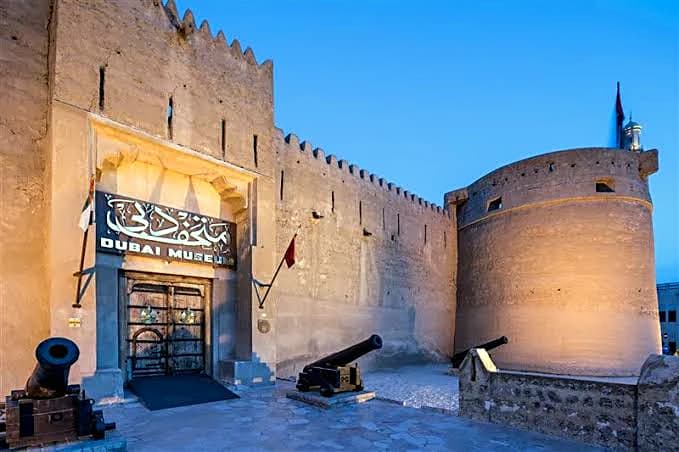
The Al Fahidi Historical Neighbourhood is wind-tower architecture, narrow lanes, and small museums that most visitors walk past on the way to somewhere newer. Locals treat it as a legitimate hangout — coffee shops tucked into old courtyards, an art gallery or two, and the abra crossing at the creek, which is still the cheapest and most honest way to see Dubai from the water. Vani can build a full itinerary that puts a morning here instead of skipping straight to the towers.
Karak Chai and a Plastic Chair, Not a Rooftop Bar
Ask any Dubai resident where they actually hang out and the answer is rarely a hotel bar. It's a karak stall — strong, sweet, milky tea served in small cups, usually next to a shawarma counter, usually with plastic chairs on the pavement. These stalls cluster around Satwa and old Deira. There's no reservation system. You just show up, order, and sit down like everyone else already has.
Where Locals Actually Spend a Free Saturday
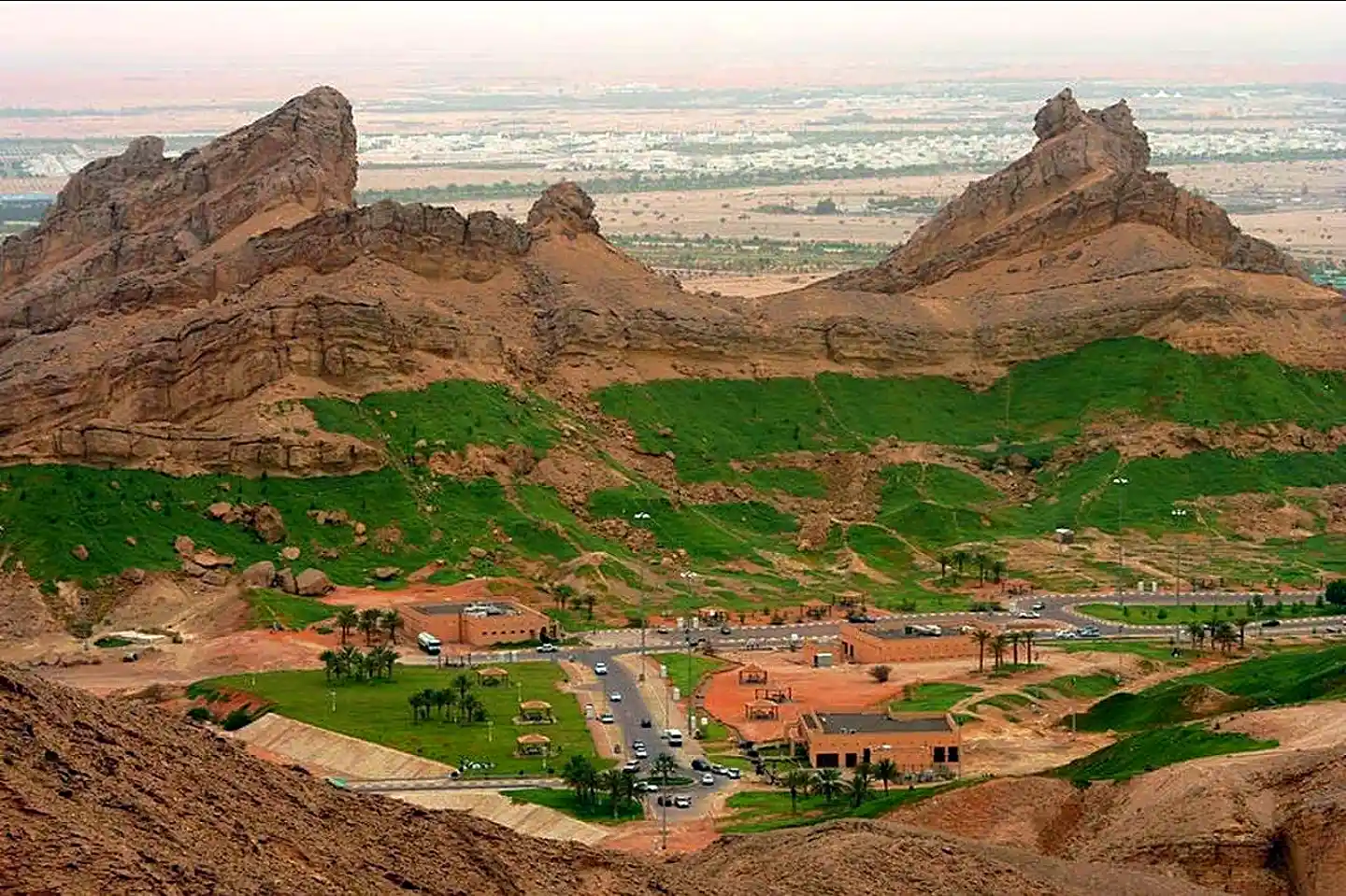
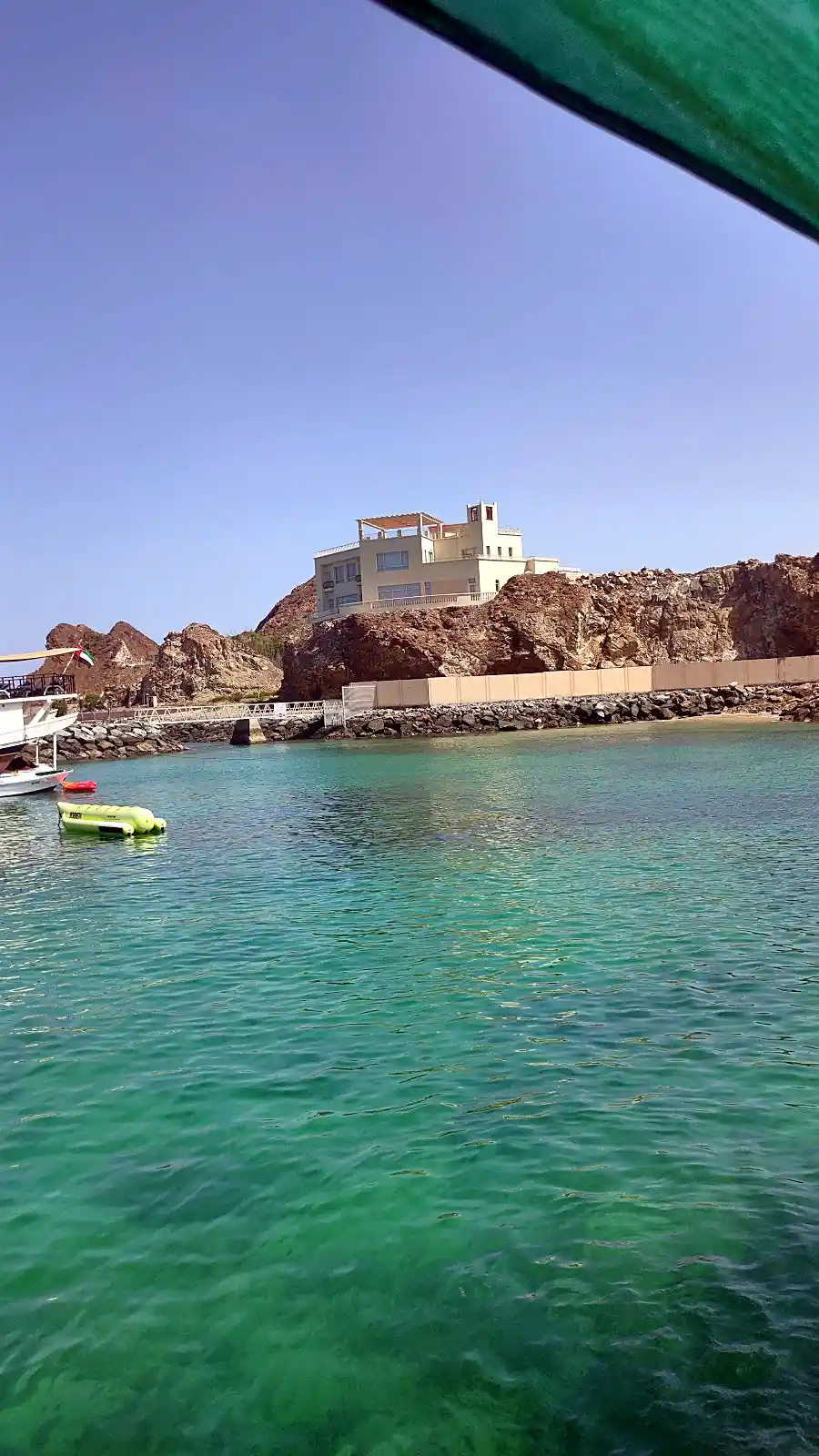
Weekend Dubai, for residents, usually means leaving the city rather than staying in it. Al Ain — the inland oasis city near the Oman border — is a common day trip: date palm groves, a much slower pace, and none of the queues. On the other coast, Fujairah gets picked for its beaches precisely because they're not Dubai's beaches — fewer beach clubs, more actual quiet. Neither shows up on a standard three-day tourist itinerary, and both are easy to add if you're not trying to cram in every landmark at once.
Al Qudra Cycling Tracks Instead of the Hotel Gym
On any cool-enough evening, the Al Qudra cycling track fills up with residents doing laps past the lake and the (occasional) grazing oryx, then stopping for coffee from one of the pop-up trucks parked at the roadside. It's free, it's outdoors, and it's one of the few things in Dubai that has nothing to do with a mall, a hotel, or an entry fee. Bikes are rentable near the main entrance if you didn't bring your own.
The Rule of Thumb: Follow the Queue for Chai, Not the Queue for Photos
Here's a heuristic that holds up more often than it should: if a place has a queue forming for a photo, that's the tourist stop. If it has a queue forming for food or tea, that's the local one. It's not a rule about avoiding tourist spots entirely — the Burj is worth seeing once — it's about noticing that the two queues rarely overlap, and choosing to stand in both over the course of a trip instead of just one.
What Vani Actually Does (and Doesn't) for a Trip Like This
Vani, G8Trip's AI travel assistant, can build a day-by-day Dubai itinerary that mixes the landmark stops with the neighbourhood ones, if you tell it that's what you want — say "add old Dubai and a day trip to Al Ain" and it restructures around that instead of defaulting to the marina and the mall. It can also search flights and hotels with live pricing, and use Google Places to surface restaurants, ATMs, or pharmacies near wherever you end up staying, which is genuinely useful when you're somewhere without a fixed base.
What it can't do is tell you which unmarked karak stall in Satwa is better than the one two streets over — that's the kind of thing you find by walking, not by asking an app. It also won't manufacture a strong opinion about which mosque tour guide is more entertaining, because it hasn't sat through either of them. What it's genuinely good for is the boring-but-essential half of the trip: getting the flights and hotel dates locked so the offbeat half has somewhere to slot in, instead of being the thing you meant to do but ran out of afternoons for. Browse the full travel guide if you want more on planning a mixed old-and-new Dubai trip before you go.
Frequently Asked Questions
Is it safe to explore old Dubai neighbourhoods like Deira on your own?+
How many days do you need to see both tourist and local Dubai?+
Can Vani help me find offbeat spots, not just hotels and flights?+
Is old Dubai worth it if I only have one full day in the city?+
Do I need a car to see the offbeat parts of Dubai?+
The Burj Khalifa isn't going anywhere. It's the tallest building on the planet and in absolutely no rush. Your karak chai, on the other hand, gets cold in about four minutes — plan accordingly.
Ready to plan your trip?
Let Vani, our AI travel assistant, build your perfect itinerary.
Start planning for free →