Offbeat Europe Hidden Gems Locals Still Won't Show You
Europe's "hidden gem" articles have a shelf life of about eighteen months before the gem gets a boutique hostel, a queue, and its own geotag. Half the towns on these lists are hidden the way a landmark next to a tour bus car park is hidden — which is to say, not really. This is a shorter list of genuine offbeat Europe hidden gems: places still inconvenient enough to keep the crowds thin, which, unromantically, is most of what "offbeat" has ever meant.
ℹ️ The Short Version
Apply the two-hour train rule: pick a town close enough for a day trip from a major hub, far enough that tour buses don't bother routing there. Lodz instead of Warsaw, Sopron instead of Vienna, Sigtuna instead of Stockholm. None of it takes more planning than the popular version — just less consensus.
The Real Offbeat Europe Hidden Gems Aren't a Secret, Just Inconvenient
Every major European city has a well-documented overcrowding problem, and every well-documented problem eventually produces a genre of listicle promising an escape from it. Most of those lists recycle the same twelve towns until the towns themselves develop the exact problem they were recommended to solve. A genuine offbeat pick usually has one of two things working against it: no direct flight from a major hub, or a name that doesn't translate cleanly into an Instagram caption. Neither is a flaw. Both are, functionally, the filter that keeps a place quiet.
I reckon the honest test is whether a place shows up on the first page of "best hidden gems in Europe" searches. If it does, it's not hidden — it's just less famous than Paris, which is a different thing entirely. A genuinely offbeat town usually shows up on nobody's first-page results, because nobody's written the definitive guide to it yet, because there isn't enough traffic to justify writing one. That's the whole mechanism. It's not mysterious. It's just supply and demand applied to attention instead of hotel rooms.
Six Towns Your Feed Hasn't Discovered Yet
Central and Eastern Europe, Minus the Queue
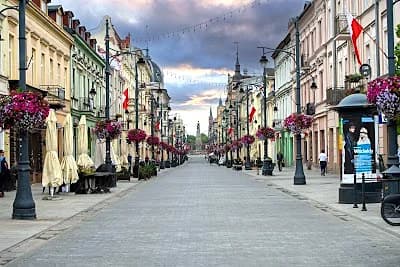
Lodz, Poland's former textile capital, has a mile-long main street of restored factories, street art, and cafes built into old mills — and a fraction of Krakow's foot traffic, mostly because it wasn't rebuilt as a postcard after the war the way Krakow was. It looks lived-in because it is. Manufaktura, the old mill complex turned shopping and culture district, gets a fraction of the visitors Krakow's main square sees on a normal Tuesday, despite being roughly as photogenic.
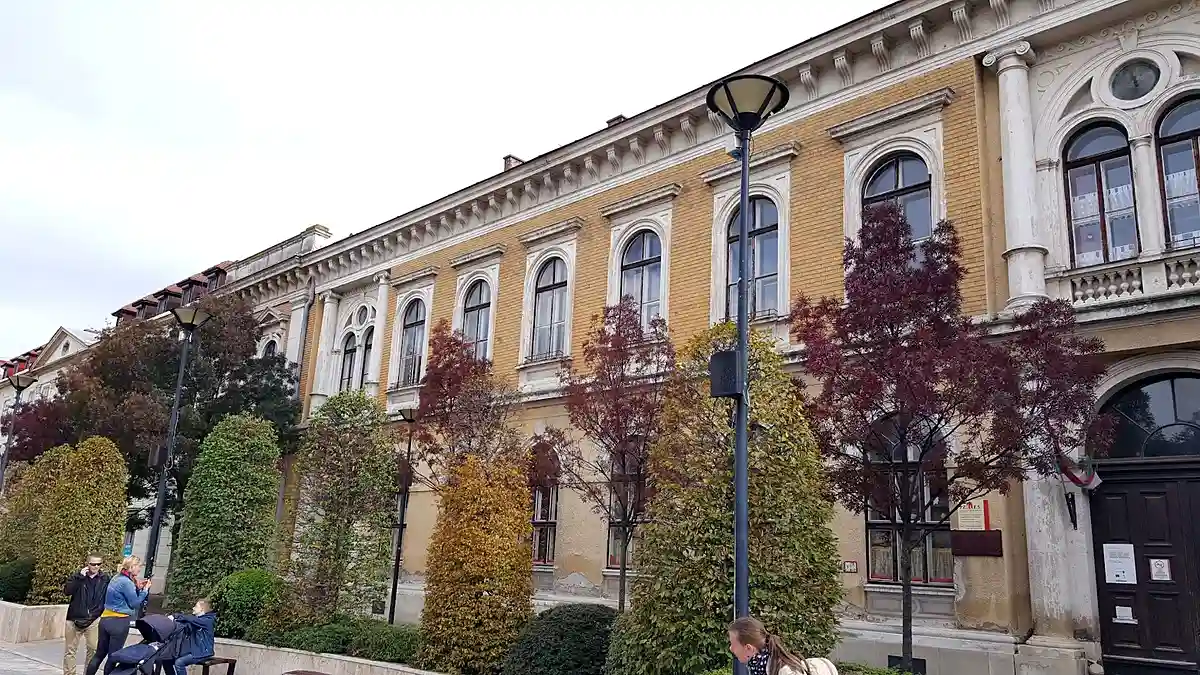
Sopron, on Hungary's Austrian border, gets skipped for Vienna or Budapest by almost everyone planning a first Central Europe trip, which is exactly why its wine cellars and Roman-era old town are still walkable without dodging a tour group every ten metres. Szentendre, closer to Budapest, works as a half-day version of the same idea if you're short on time — an artists' village on the Danube that most Budapest itineraries mention once and then forget.
The Nordic Version of Offbeat
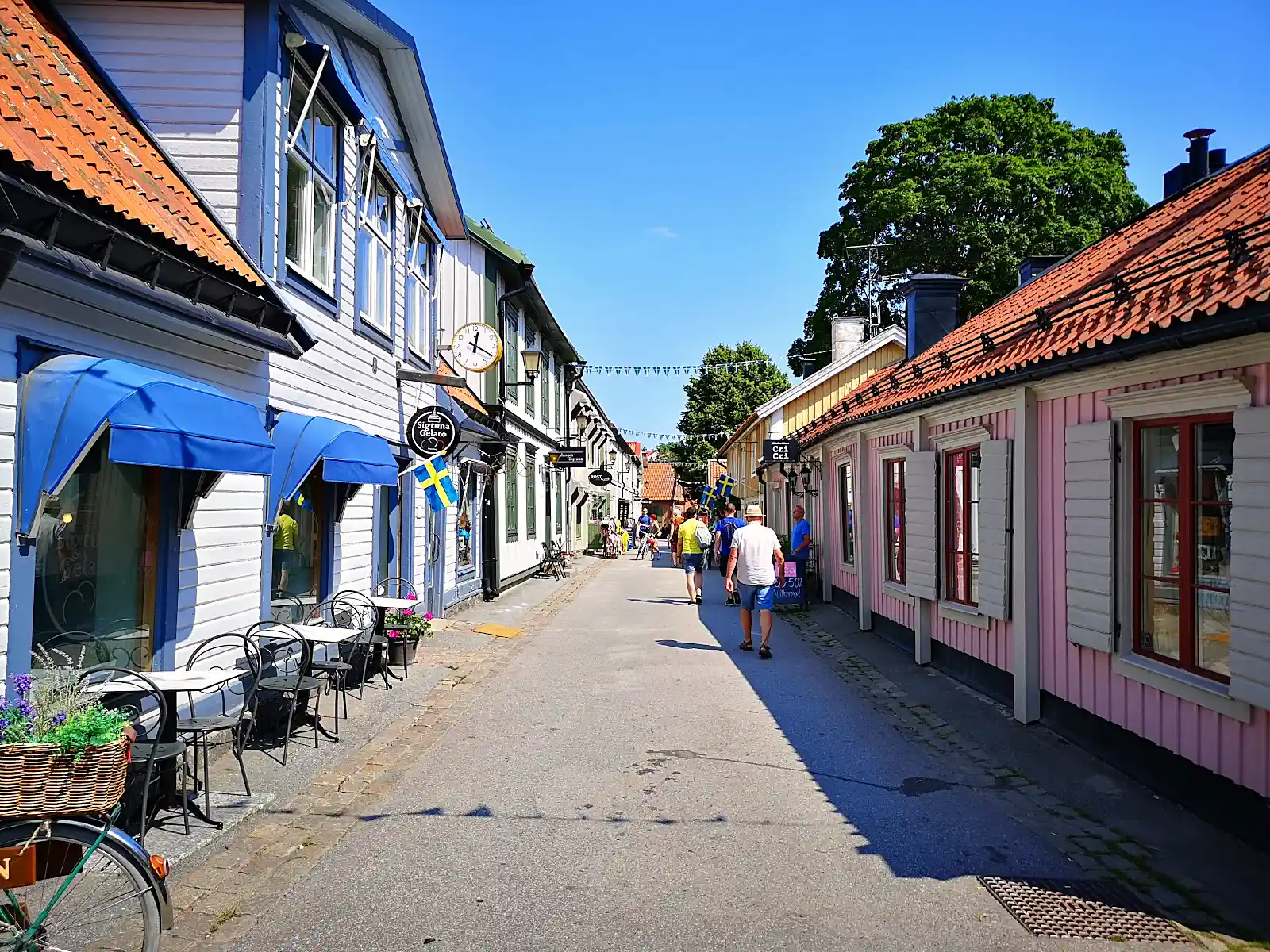
Sigtuna, forty-five minutes from Stockholm by train, is Sweden's oldest town and still gets treated as a footnote to the capital rather than a destination — runic stones on residential streets, a lakeside setting, and none of Stockholm's per-night hotel premium. It's the kind of place where the biggest crowd you'll encounter is a school trip.
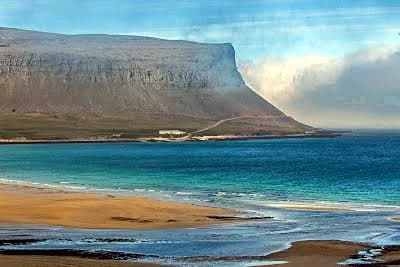
In the other direction entirely, Iceland's Westfjords sit far enough from the Ring Road that most first-time visitors never make it out there, which means the fjords, the bird cliffs, and the near-total absence of other cars are still on offer for anyone willing to add a day to the itinerary. Most Iceland trips loop the Golden Circle and call it done. The Westfjords are what the Golden Circle looked like before it had a name.
None of these require a translator, a visa beyond standard Schengen rules, or a specialist tour operator. They require picking the slower train, or in Iceland's case, the longer drive.
The Rule of Thumb: The Two-Train Test
Here's the heuristic I actually use: if getting somewhere in Europe takes one direct flight and zero local transfers, assume it's already been found. If it takes a flight into a hub, then a regional train, then a short bus — that second and third leg is doing the filtering for you. Most "undiscovered" places aren't undiscovered. They're just two connections away from the airport, and most travellers stop planning at connection one.
This isn't a rule against convenience. It's a rule about where convenience runs out and the crowd thins with it. Fair enough if a two-connection detour sounds like more effort than a holiday should require — that instinct isn't wrong, it just optimises for a different trip. The point isn't that offbeat is better. It's that most people who say they want it stop one train stop short of actually finding it. If you're building the rest of the trip around this, a full itinerary structure helps keep the inconvenient legs from turning into missed connections rather than character-building detours.
The test also works in reverse. If a town is showing up in six different "underrated Europe" roundups this year, it's already on borrowed time — give it eighteen months and it'll have the queue it was recommended as an escape from. Offbeat isn't a fixed list. It's a moving target that rewards checking flight connections yourself instead of trusting last year's article, including, to be fair, this one.
What Vani Actually Does With "Somewhere Offbeat in Europe"
Vani can build a day-by-day itinerary around a request like this, but it needs more than the word "offbeat" to work with — days available, a starting city, and roughly how much train time you're willing to add each day. Give it that and it will put together the actual route, pull live flight options into the nearest hub, and surface hotels in towns most booking sites barely index.
It also handles the Schengen visa logic if you're mixing countries, which matters more on an offbeat route than a capital-city one — border towns like Sopron sit close enough to Austria that the entry-point question actually changes your paperwork. That question usually surfaces at eleven at night, two weeks before departure, when someone types "do I need a visa for Hungary if I'm flying into Vienna" and gets six different answers from six different forums, at least two of them outdated. Vani is built to give the current answer instead of a 2021 one.
What it won't do is decide that Lodz is more "you" than Sigtuna. That's still a conversation, not a query — start one here if you want to work through the options instead of guessing from a listicle.
What counts as an offbeat hidden gem in Europe?+
Are offbeat European towns cheaper than the popular ones?+
Can I visit these places without a car?+
Is it hard to combine offbeat towns with a bigger Europe trip?+
Do offbeat places require a different visa than a standard Europe trip?+
The listicle towns will still be there next year, slightly more crowded, slightly more expensive, and slightly less themselves. Lodz won't wait for anyone. That's rather the point.
Ready to plan your trip?
Let Vani, our AI travel assistant, build your perfect itinerary.
Start planning for free →