
Offbeat Italy Towns Locals Love (Not Rome or Venice)
Ask ten people for Italy recommendations and you'll get the same four cities back: Rome, Florence, Venice, Milan. Ask an actual Italian, and the list turns into the offbeat Italy towns locals love — smaller, quieter, and rarely on a first-time itinerary. Most travel guides never make that second list. (Most travel guides are written by people who flew in for four days and left with a folder of press-trip photos.)
ℹ️ The short answer
The offbeat Italy towns locals love are usually a 25 to 90 minute train ride from the city you already booked — San Gimignano and Cortona from Florence, Verona and Padua from Venice. None of them require giving up your main-city hotel or renting a car.
Why Rome, Florence and Venice Aren't Where Italians Send Their Friends
Florence, Rome and Venice show up on every itinerary because they show up on every flight search and every top-10 list — not because they're where Italians recommend spending unstructured time. Ask someone from Florence where they go on a Sunday and the answer is rarely 'the Uffizi again.'
Locals treat the big cities as places you show visitors once, then avoid on weekends. The towns they actually visit are smaller, walkable in under two hours, and priced for people who live nearby rather than for a two-week vacation budget. That's not a knock on Rome — it's a scheduling problem. Most Italy itineraries allocate zero days to anything that isn't a UNESCO headline, which means the offbeat Italy towns locals love get treated as an afterthought, if they appear at all.
This matters for practical reasons too. Fewer crowds, shorter menus because the kitchen isn't cooking for six languages at once, and hotel prices that don't spike every time a cruise ship docks nearby. None of this requires an unusual route — it just requires one extra day where your itinerary currently has a rest stop.
It also changes how the trip feels afterward. Three days of queueing for the same five landmarks as everyone else blur together fast; one afternoon in a town you'd never heard of before booking the flight tends to be the story you actually tell people. That's not sentiment — it's just what's left once the photos of the Colosseum look identical to everyone else's.
The Offbeat Italy Towns Locals Love, Region by Region
The offbeat Italy towns locals love cluster around two regions Indian travellers already fly into: Tuscany, via Florence, and the Veneto, via Venice. Both are reachable without a rental car, which matters if you're not used to Italian roundabouts. Here's where locals actually go, and how to get there from wherever you've already booked a hotel.
Tuscany: San Gimignano, Cortona and the Towns Between the Hills
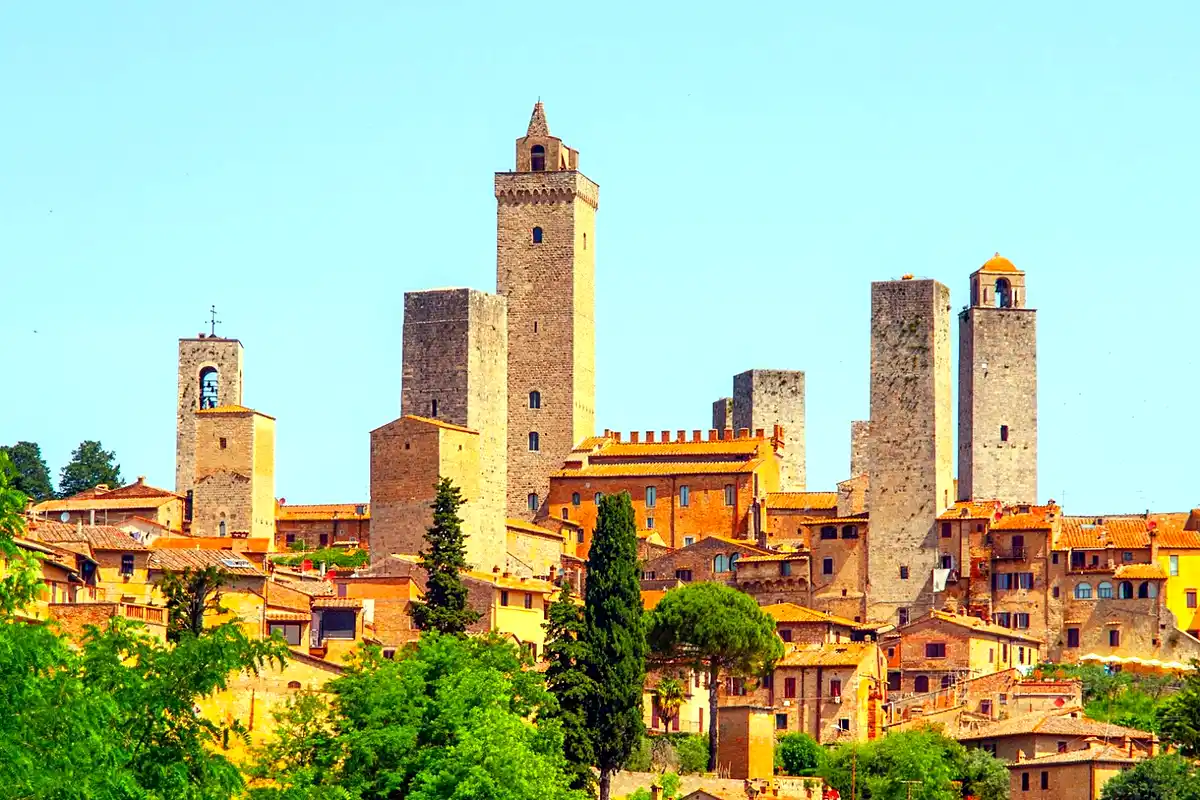
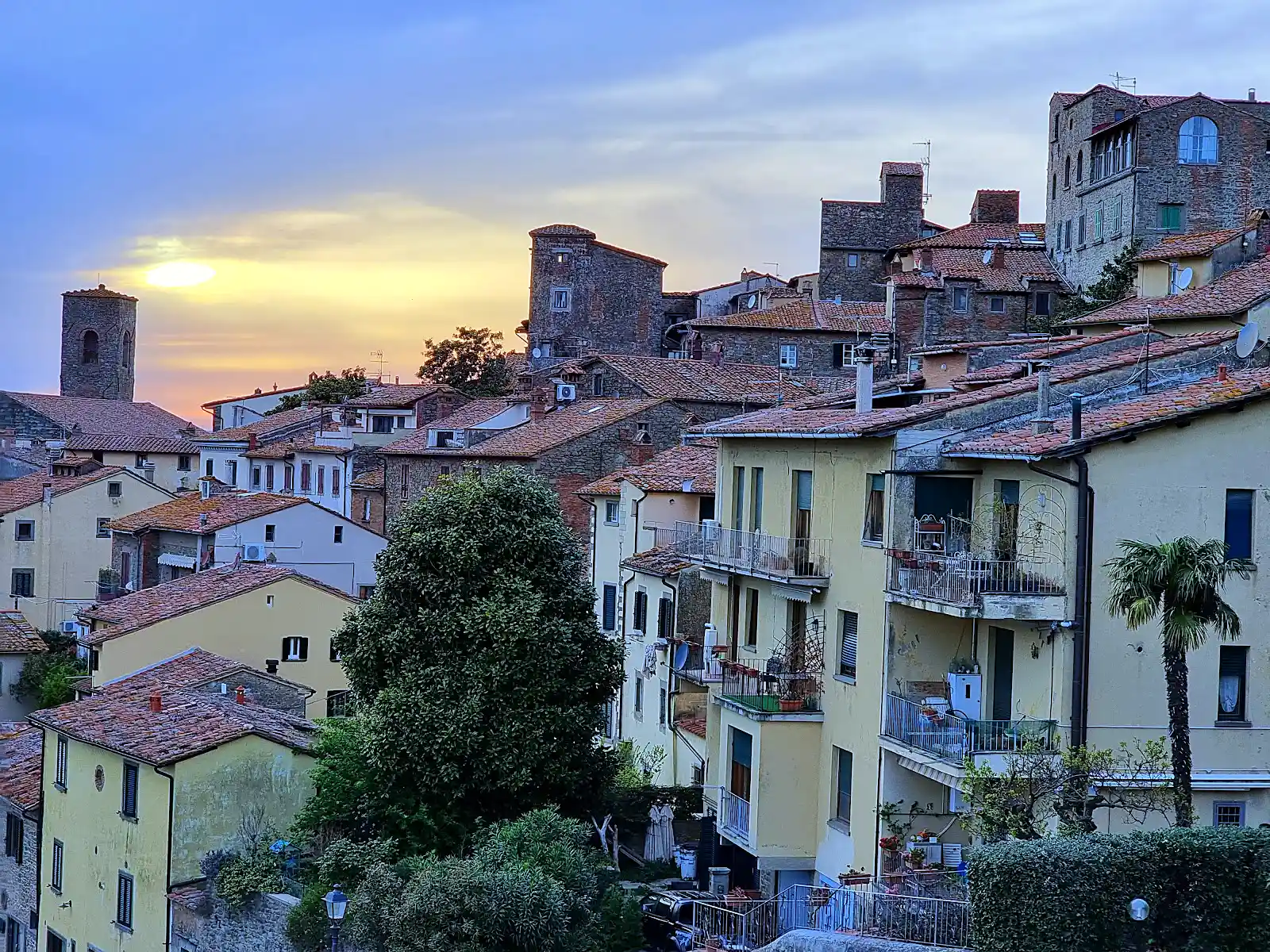
San Gimignano is about 90 minutes from Florence by regional bus and looks like a fortified skyline built by someone who'd never heard of restraint — fourteen medieval towers, no elevator, and vernaccia wine that rarely leaves the region. Cortona, an hour further south and easier by car than by train, is smaller and quieter, with the kind of hillside piazza where nobody's checking a map.
Neither town needs a full day. Locals treat them as a lunch-and-wander trip, not an overnight commitment — worth remembering before you book two nights somewhere you can see in four hours. If you're folding both into a longer Tuscany loop, Vani can slot them into the same day when your base is Florence, as long as the trip planning conversation knows you don't want to backtrack.
Veneto: Verona, Padua and the Islands Past Venice
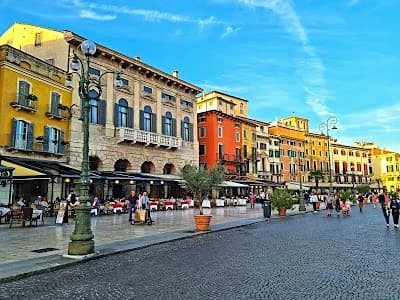
Verona gets a fraction of Venice's crowd despite being about 90 minutes away by train, has its own Roman arena still in use for opera, and doesn't require a water taxi to get anywhere. Padua, roughly 25 minutes from Venice, has one of Europe's oldest botanical gardens and a fresco cycle Ruskin considered more important than most of what's inside the Doge's Palace — most tourists never take the short train ride to check.
For something quieter than either, Burano and Murano sit in the Venetian lagoon itself — a 45-minute vaporetto ride for lace-making and glassblowing towns that see day-trippers, not overnight guests, which keeps them from feeling like a theme-park version of themselves after 5pm.
Getting Between Towns Without Renting a Car
Regional trains (marked 'R' or 'RV' on Trenitalia, to distinguish them from the faster, pricier Frecce services) cover Verona, Padua and San Gimignano's connecting station at Poggibonsi without needing a reservation — you buy a ticket and validate it at the little green machine on the platform, which is the step every first-timer forgets at least once. Vaporettos to Burano and Murano run from Venice's Fondamente Nove stop roughly every half hour, and a day pass covers both islands plus the ride back.
Cortona is the outlier. The train station sits at the bottom of the hill, a steep 20-minute walk or a short local bus ride from the historic centre itself, which is why most people who don't want the climb end up hiring a car for that one leg and taking trains for everything else.
Rule of Thumb: Under 90 Minutes Is a Day Trip, Not a Detour
The heuristic that saves the most planning time: any offbeat Italy town under 90 minutes from your base city gets a half-day, not a hotel booking. Towns further out — Cortona from Florence, say — either need a car or get folded into a slower, separate leg of the trip.
I've over-optimised this exact decision before and still ended up standing on a Verona platform doing arithmetic on whether the next train back to Venice made the dinner reservation. It did, barely. The lesson wasn't 'plan less' — it was 'build in the same buffer you'd build in for anyone else.' Fair enough if your instinct says you'll be fine without one. Mine said the same thing.
What Vani Does With 'Somewhere Locals Actually Go'
Tell Vani you want offbeat Italy towns locals love instead of another Colosseum queue, and it will build a day-by-day plan that slots Cortona, Verona or Burano around whichever main city you've already chosen — including transport timing, so you're not guessing whether the last train back exists (in some of these towns, it doesn't run past 9pm).
What it won't do: tell you which piazza has the best gelato based on vibes, because that's not something a live API returns. Vani works from real train and hotel data, not crowdsourced opinion, so the itinerary structure holds up — the specific 'ask the barista' recommendations still come from wandering, not software. If you want a full day-by-day version of this idea, start a plan with Vani and tell it which towns you're curious about, or browse the travel guide hub for more Italy-adjacent planning.
How many days do I need for Tuscany's smaller towns?+
Can I visit Verona and Padua as day trips from Venice?+
Do I need a car for these offbeat Italy towns?+
Is it worth skipping a day in Venice or Florence for this?+
Can Vani help plan a route that includes these towns?+
Book Florence. See the David. Then go stand under fourteen towers in a town most itineraries never mention. Nobody's made a Reel about San Gimignano yet. Get there before they do.
Ready to plan your trip?
Let Vani, our AI travel assistant, build your perfect itinerary.
Start planning for free →