The Offbeat Morocco Hidden Gems Worth the Long Drive
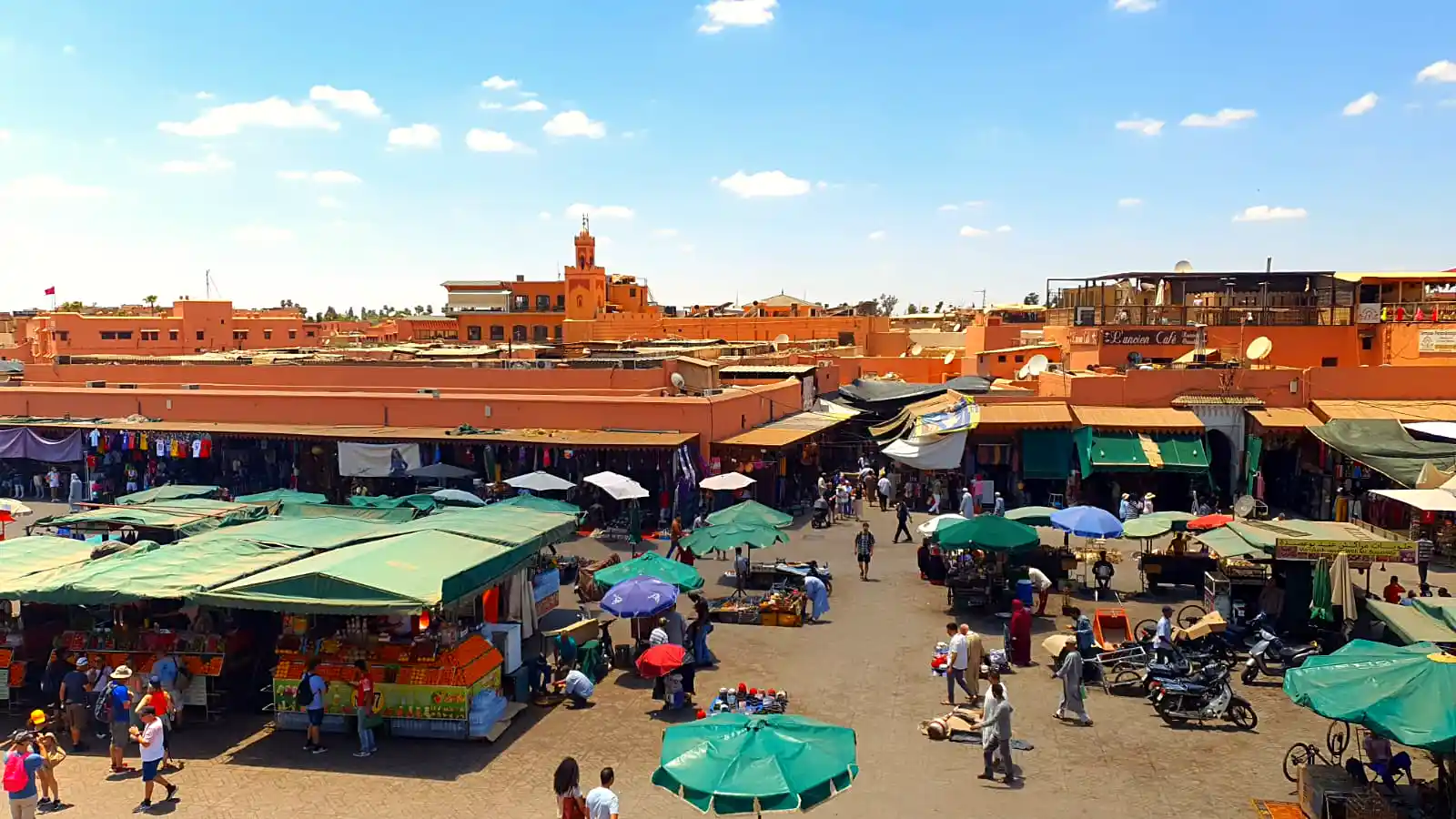
Marrakech's medina holds more day-trippers per square metre than most theme parks, and roughly the same variety of experience. Everyone photographs the same snake charmer. Everyone gets steered into the same three carpet shops by the same over-friendly guide. Morocco is 446,550 square kilometres large. Most visitors see about four of them, twice, from different angles. The offbeat Morocco hidden gems worth the diesel are usually two to eight hours from wherever the tour bus parked — and nobody selling day tours in the square has much incentive to mention that. The souvenir shops don't lose money on that arrangement, and neither does the guide collecting commission at the third carpet stop.
💡 Three Worth the Diesel
Essaouira for the coast, Chefchaouen for the blue-washed quiet, and Marrakech's own tanneries at 7am before the tour buses arrive. Everything below is the case for why those three, not the fifth 'hidden gems' listicle you've already read this week.
Why Offbeat Morocco Hidden Gems Live Outside Marrakech's Medina
Fair enough — the medina earns some of its reputation. The souks are genuinely disorienting in a good way, and the Koutoubia Mosque's minaret is worth the neck strain. But most first-time Morocco itineraries spend four or five days entirely inside Marrakech's old city walls, which is a bit like flying to India and only seeing one traffic circle in Delhi.
The DIY traveller planning this trip usually ends up with six blog tabs open, three of which recommend the same guesthouse and none of which agree on how far Essaouira actually is. (This isn't a Morocco problem specifically. It's what trip research looks like everywhere in 2026 — fragmented, half-sourced, and mostly copied from the same three original posts.) The honest answer: Essaouira is a half-day's drive, Chefchaouen is closer to a full day, and both are worth planning around rather than squeezing in as an afterthought.
There's also a pricing pattern worth knowing before you book anything: day tours sold through Marrakech riads and hotel front desks typically run higher than arranging the same grand taxi or bus directly, because the tour operator is adding a markup for doing very little. Ask your riad for a driver's direct number instead of the bundled 'excursion package,' and the price usually drops without the trip changing at all.
Essaouira: The Coastal Town Marrakech Forgets to Mention
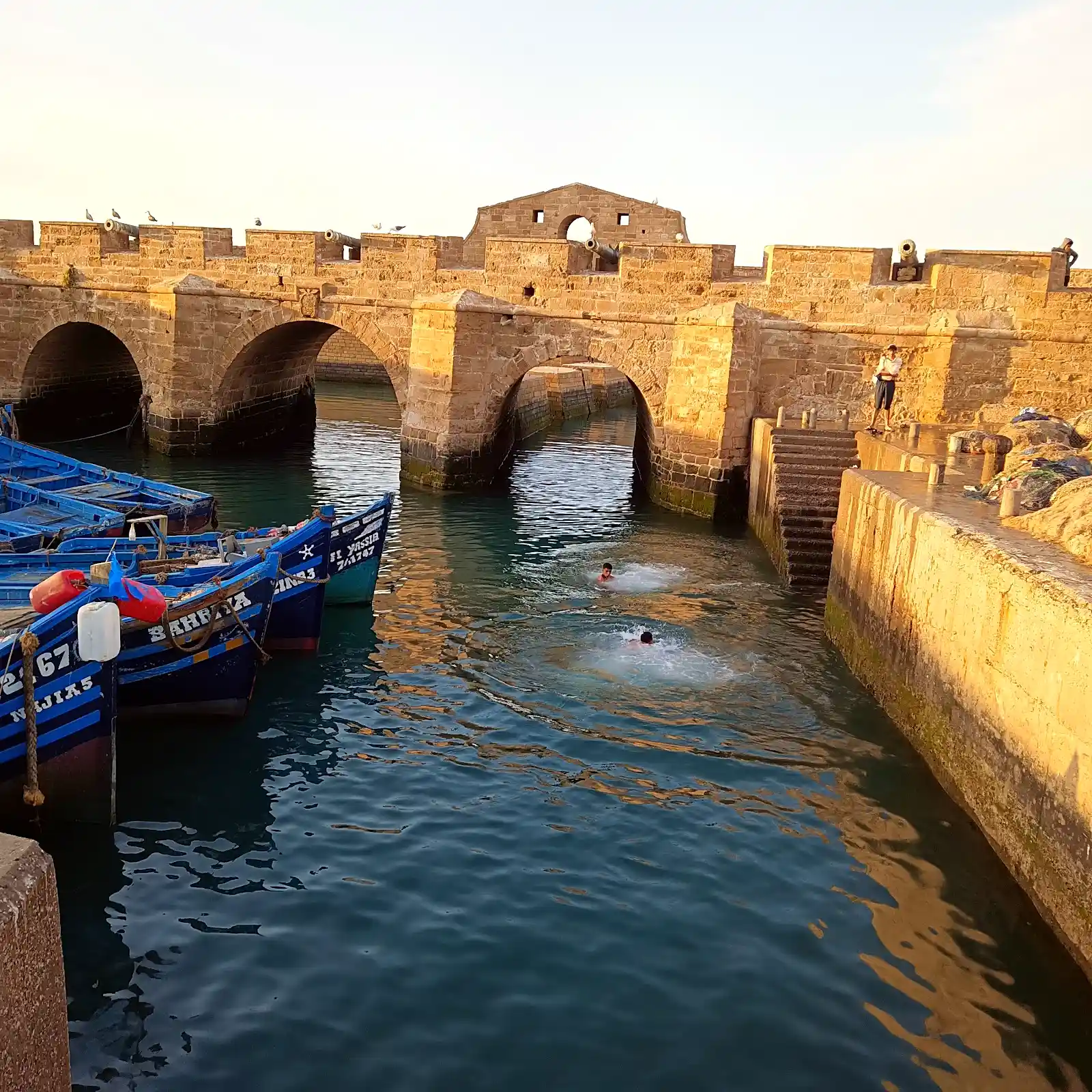
Essaouira sits on the Atlantic coast, walled and windswept, with blue fishing boats stacked along a working harbour that still smells like an actual fishing harbour rather than a photo of one. The ramparts along the sea are free to walk, the medina is a fraction of Marrakech's size, and the wind — locals call it the Alizé — is strong enough that Essaouira has quietly become a windsurfing town without ever marketing itself as one.
It is also, refreshingly, not built entirely around selling you something. There are carpet shops. There are also just streets. Cafés where nobody follows you out asking where you're from.
The Skala de la Ville — the sea-facing fortifications running along the harbour — are worth twenty unhurried minutes, mostly because they're free, uncrowded, and better for photos than anything inside the medina walls. A short taxi ride out of town, several argan oil cooperatives run women-led production and sell directly, which is a more useful souvenir stop than another lamp you'll never plug in.
How to Get There and How Long to Stay
Shared grand taxis and tourist buses run from Marrakech regularly; the drive is straightforward enough that you don't need to arrange it more than a day ahead. Most day-trippers give Essaouira four or five hours, which is enough to see the ramparts and eat lunch, not enough to understand why photographers stay for a week.
Rule of thumb: if you can only spare a day, go. If you can spare two, stay the night. The blue boats look different at 6pm than they do at noon, and the town empties out considerably once the day-trip buses leave.
The Tanneries and Souks: Seeing Marrakech Like a Local, Not a Tour Group
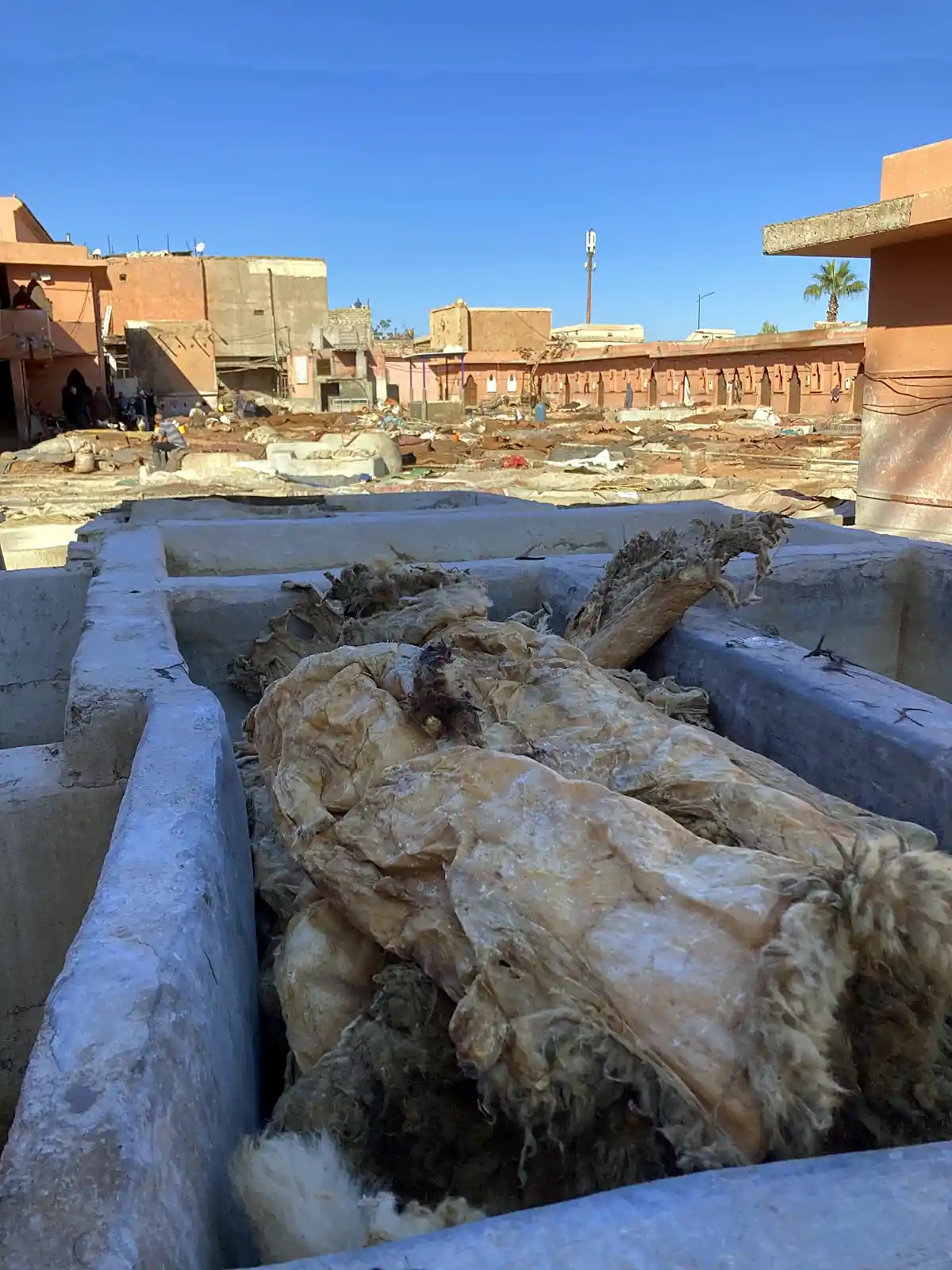
If you're going to spend real time in Marrakech's medina — and most itineraries do — the trick isn't avoiding the tanneries and souks. It's timing them. The leather tanneries near Bab Debbagh operate from early morning, and arriving before 8am means watching the actual dyeing process instead of a re-enactment staged for the 11am tour groups. (Yes, you'll still be handed a sprig of mint for the smell. Take it. The smell is not exaggerated.)
Souk Semmarine, the main covered market artery, is genuinely more interesting without a hired guide steering you toward commission-paying shops. Go early, go slow, and accept that getting lost is part of the design — the medina's layout wasn't built for easy navigation, it was built to keep customers inside longer. A map app works fine here, more or less. Trust it over anyone who approaches you unprompted offering to 'show you the real Marrakech.'
Chefchaouen and the Rif Mountains: Worth the Detour North
Chefchaouen is the blue city — every wall, staircase, and doorway painted somewhere between sky and cobalt, for reasons locals will explain three different ways depending on who you ask. It sits in the Rif Mountains, a full day's drive north of Marrakech, which is precisely why it doesn't show up on rushed itineraries.
That distance is the filter. Chefchaouen sees a fraction of Marrakech's tour traffic, and the town rewards slowness — sitting with mint tea on a rooftop, wandering the same blue alley twice because you're not sure if you've been there already. Most travellers pair it with two or three nights in Fes, since backtracking to Marrakech just for Chefchaouen rarely justifies the drive on its own.
The town itself is small enough to walk end to end in under an hour, which is part of the appeal — there's no itinerary to optimise here, just alleys, cats, and rooftop cafés serving mint tea to whoever wanders up. Bring a proper camera or don't bother; a phone photo of blue-on-blue rarely does the actual colour justice, and you'll take the same shot forty times trying.
The Rule of Thumb: One Offbeat Town Per Three Marrakech Days
Here's the heuristic, and it's simpler than most Morocco planning guides make it sound: for every three days you're spending inside Marrakech, budget at least one day outside it. Fall below that ratio and you haven't done a Morocco trip — you've done an elaborate, occasionally overpriced market crawl with excellent lighting.
This isn't a rule about seeing 'more.' It's a rule about not leaving Morocco having only experienced the version of it built specifically to sell things to people leaving in four days. Essaouira, Chefchaouen, even a slow morning at the tanneries before the crowds — these are the parts of the trip that don't show up in the souvenir shop. Build a full Morocco route on your terms rather than assembling it from six contradictory blog posts.
What Vani Can (and Can't) Do for a Morocco Detour
Vani, G8Trip's AI travel assistant, can build a day-by-day Morocco itinerary that actually accounts for Essaouira and Chefchaouen as real travel days rather than bullet points — tell it '5 days Marrakech, 2 days Essaouira' and it restructures around that split instead of cramming everything into one base city. It searches live hotel availability for smaller towns too, not just Marrakech's riads, and it surfaces visa requirements for Morocco through Atlys before you're two weeks out and asking at 11pm.
What it won't do: stand in the tannery smell for you, or tell you whether you're a Chefchaouen person or an Essaouira person. That's a preference, not a data problem. I built G8Trip because I got tired of forty browser tabs deciding nothing for me — Vani narrows the search, it doesn't replace the part where you actually pick.
What are the best offbeat places to visit in Morocco besides Marrakech?+
Is Essaouira worth a day trip from Marrakech, or should I stay overnight?+
How many days do I need for Chefchaouen?+
Do I need a guide for Marrakech's tanneries and souks?+
Can Vani help plan a Morocco itinerary that includes offbeat towns?+
Marrakech isn't going anywhere. It'll still be there, selling the same lamp, long after you've gone home. Chefchaouen's blue walls, on the other hand, only look like that for about forty minutes around golden hour — and no listicle is going to tell you which forty minutes.
Ready to plan your trip?
Let Vani, our AI travel assistant, build your perfect itinerary.
Start planning for free →