
Offbeat Places in Vietnam Locals Actually Recommend
Every Vietnam itinerary online runs the same four stops: Hanoi's old quarter, Ha Long Bay, Hoi An's lanterns, and Ho Chi Minh City's traffic. All four are worth it. All four are also on every blog post written since 2015, so you'll be photographing the same lantern-lit street as several thousand other travellers that same evening. (Fair enough if that's the trip you want.) Vietnam is long and narrow, and there's a lot of geography sitting between those four dots.
ℹ️ Where the Loop Breaks Off
The offbeat places in Vietnam worth adding are Dalat's cool hill air, Quy Nhon's uncrowded beaches, and Can Tho's floating markets in the Mekong Delta — each a detour off the standard north-to-south route, not a separate trip.
The Offbeat Places in Vietnam a Straight-Line Itinerary Misses
Most Vietnam itineraries — including some of the good ones — run a straight line: Hanoi, Ha Long Bay, Hue or Hoi An, Ho Chi Minh City. It's an efficient route and there's a reason it's the default. It's also entirely coastal, north to south, which means the central highlands and the far south delta barely get a mention. If you're using our Vietnam trip plan from India as the backbone, treat what follows as optional extensions, not replacements.
The offbeat places in Vietnam that reward a detour aren't hard to reach. Dalat is a domestic flight or a bus ride from Ho Chi Minh City. Quy Nhon sits on the coast between Hoi An and Nha Trang, on a route most people fly straight over. Can Tho is close enough to Ho Chi Minh City for a two-day add-on. None of these require rebuilding the whole trip — they require admitting the standard four-city loop isn't the only version of Vietnam worth seeing. There's a cost angle too: domestic flights and buses within Vietnam are inexpensive relative to adding an international leg, so folding in Dalat or Can Tho rarely blows up a budget the way an extra country stop would.
The climate argument alone is worth the detour. Coastal Vietnam in the wrong season means heat and humidity that flattens an afternoon before it starts. Dalat's altitude changes that equation entirely — locals from Ho Chi Minh City treat it as a weekend escape from their own city's weather, which says something when the escape route is domestic.
Three Detours Worth the Extra Day
Each of these solves a different kind of Vietnam fatigue — heat, crowds, or the sense that you're following the same route as everyone else on your flight.
Dalat: Vietnam's Hill Station Nobody Mentions
Dalat sits at altitude in the central highlands, which makes it noticeably cooler than Hanoi or Saigon — French colonial villas, pine forests, and a lake in the middle of town that locals walk around in the evening the way Mumbai walks Marine Drive. It was a French hill retreat before independence, and the architecture still shows it.
It's also where a lot of Vietnam's coffee and produce comes from, which explains why the market stalls look different from the coastal cities. Strawberry farms, flower gardens, and a genuinely odd number of themed cafés for a town this size. None of it is trying to be Hoi An. That's exactly the point.
Quy Nhon: The Beach Town Before It Gets Discovered
Quy Nhon has the beaches without the beach-town infrastructure built up around Nha Trang and Da Nang — fewer resorts, fewer tour buses, more fishing boats parked exactly where the fishing boats have always been parked. It sits between two much more famous coastal stops, which is probably why it gets skipped, not because there's anything wrong with it.
Fair warning: fewer resorts also means fewer of the conveniences a first-time Vietnam traveller might expect. This is a stop for people who've already done one Vietnam trip and want the version without the queue.
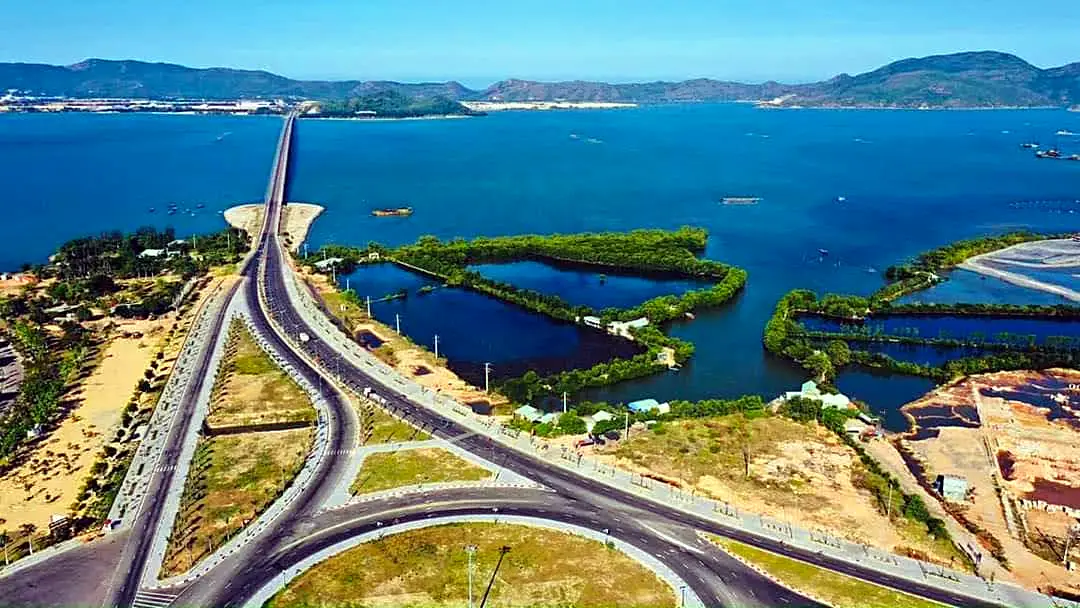
Can Tho: The Mekong Delta Without the Tour Bus
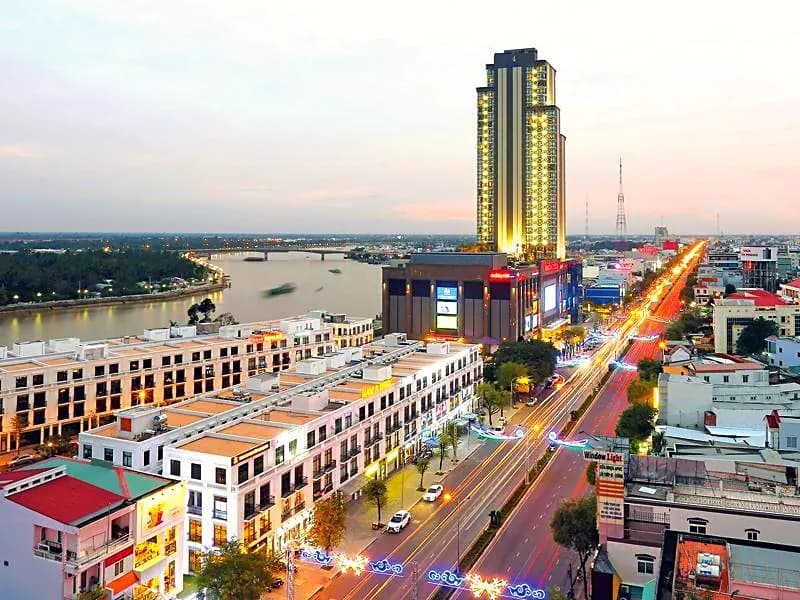
Can Tho is the easiest of the three to add, sitting close enough to Ho Chi Minh City that most travellers treat it as a two-day extension rather than a separate leg. The floating markets are the draw — vendors selling produce off the sides of boats before sunrise, a genuinely different rhythm from anywhere else on the standard route.
Go early. The markets thin out by mid-morning, and the whole point is watching commerce happen on water rather than photographing an empty river with a few leftover boats. Pair it with a slow boat ride through the smaller canals, where the traffic — and the crowds — mostly disappear.
None of these three require the same kind of planning as a full second Vietnam trip. Dalat and Can Tho both work as add-ons to an existing Ho Chi Minh City stop. Quy Nhon takes more commitment — a dedicated flight and at least two nights to be worth the detour — which is probably why it stays quieter than the other two.
The Rule of Thumb for Finding Vietnam's Quieter Half
If a town sits on the flight path between two famous cities rather than as a headline destination itself, it's worth a look. Quy Nhon sits between Hoi An and Nha Trang. Dalat sits between Ho Chi Minh City and the coast. Can Tho sits an easy trip from Ho Chi Minh City in the opposite direction from everything else on the standard route. None of these are secrets — they're just geographically inconvenient for a straight-line itinerary, which is exactly why they've stayed quieter. This isn't unique to Vietnam, either. Most standard itineraries anywhere connect airports and famous names, not everything sitting in between. Vietnam's list of in-between stops just happens to be unusually good.
Timing matters more here than on the standard route. Dalat's cooler weather is a year-round draw, but Quy Nhon and Can Tho both have distinct wet and dry stretches worth checking before you lock in dates — a beach town in the rain is a different trip than the one in the photos.
💡 Before You Add a Detour
Confirm domestic transport options first. Dalat and Quy Nhon aren't always on the same flight or rail network as your main route, and Vietnam's distances read shorter on a map than they take in practice.
What Vani Actually Does Here (and Doesn't)
Ask Vani for a Vietnam plan and it'll default to the standard route, because that's what most first-time travellers to Vietnam actually want. Tell it you want fewer crowds or a detour to the central highlands or the delta, and it restructures around that — adding Dalat or Can Tho as a phase rather than an afterthought, which matters on a country this long and narrow.
It'll also pull flights and hotel options for whichever detour you add, and surface visa requirements for Indian passport holders early rather than as an afterthought — useful given e-visa processing needs lead time. Ask, and it'll pull in eSIM options for the trip too, so you're not hunting for a SIM card in a Dalat convenience store. What it can't do is tell you whether Quy Nhon's weather will cooperate three months out with any real precision, or which specific Dalat café has the best view this week. Plan the detour with Vani — the rest is still trial and error.
Is Dalat worth visiting if I only have 10 days in Vietnam?+
How do I get from Ho Chi Minh City to Can Tho?+
Is Quy Nhon connected by flight to major Vietnamese cities?+
Do these offbeat Vietnam stops need a different visa approach than Hanoi or Saigon?+
Hanoi's old quarter will still be exactly as crowded when you get back. Dalat, mercifully, will not be.
Ready to plan your trip?
Let Vani, our AI travel assistant, build your perfect itinerary.
Start planning for free →