Offbeat South Korea Local Spots Beyond the Palace Loop
Every South Korea itinerary you'll find online hits the same five stops in the same order: Gyeongbokgung Palace, a hanbok rental, Myeongdong for shopping, Hongdae at night, N Seoul Tower for the skyline. None of it is wrong. All of it is exactly what everyone else's itinerary does too. The offbeat South Korea local spots worth building a trip around start where that list ends — a couple of hours past Seoul by train, or a short flight beyond it. Seoul is where the trip starts. It doesn't have to be where it ends.
ℹ️ The short version
Skip nothing in Seoul — just don't stop there. Jeonju gives you the hanok village experience without the tour-bus math, Seoraksan gives you the hike Seoul doesn't have, and Jeju gives you an island that isn't trying to be anywhere else. Add two or three days beyond the capital.
This Is What Offbeat South Korea Local Spots Actually Look Like
South Korea's rail network makes this an easy call to act on. The KTX high-speed line puts most of the country within half a day's reach of Seoul, which is exactly why locals treat the capital as a base rather than the destination itself — somewhere to fly into, not somewhere the trip happens. Offbeat South Korea local spots aren't hidden in any technical sense. They're just a train ticket further than the average four-day tourist loop bothers to go. If you want the full Seoul framework first, here's a South Korea itinerary that doesn't front-load the palace circuit.
Tickets for the KTX and most intercity buses can be booked in English through the Korail app or a handful of third-party sites, usually a few days ahead during peak season and same-day the rest of the year. None of this requires a car, a tour group, or a level of Korean beyond pointing at a map — which is probably why it stays underused. Most travellers simply don't think to look past the subway map Seoul hands them on arrival.
Jeonju Is the South Korea Trip Locals Actually Take
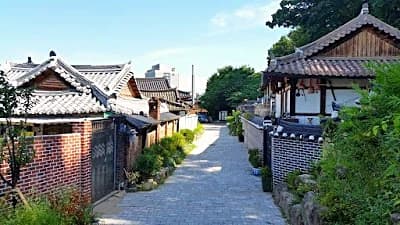
Jeonju sits a couple of hours south of Seoul by KTX and does the hanok village concept properly — a whole old town of tiled roofs and courtyard guesthouses you can actually sleep in, built around a food alley that stakes a strong claim to having invented bibimbap. Locals will defend that claim at volume if you bring it up.
A Day and a Half in Jeonju, Roughly
Most visitors give Jeonju a rushed afternoon between Seoul and Busan. A day and a half is closer to right: an evening walking the hanok streets once the day-trip crowds have thinned out, a morning at the traditional market for breakfast, and an afternoon in the makgeolli alley, where the local rice wine arrives with a rotating spread of side dishes you never actually order — they just keep coming.
The hanok stay itself is worth the extra planning. Unlike Seoul's handful of heritage guesthouses, which book out weeks ahead, Jeonju has enough of them that a room is usually findable with a few days' notice — heated floors, paper doors, a courtyard shared with two or three other rooms. It's the version of traditional Korean lodging most Seoul itineraries only manage as a two-hour hanbok photo session.
Seoraksan National Park, When Seoul Starts to Feel Like a Mall With Extra Steps
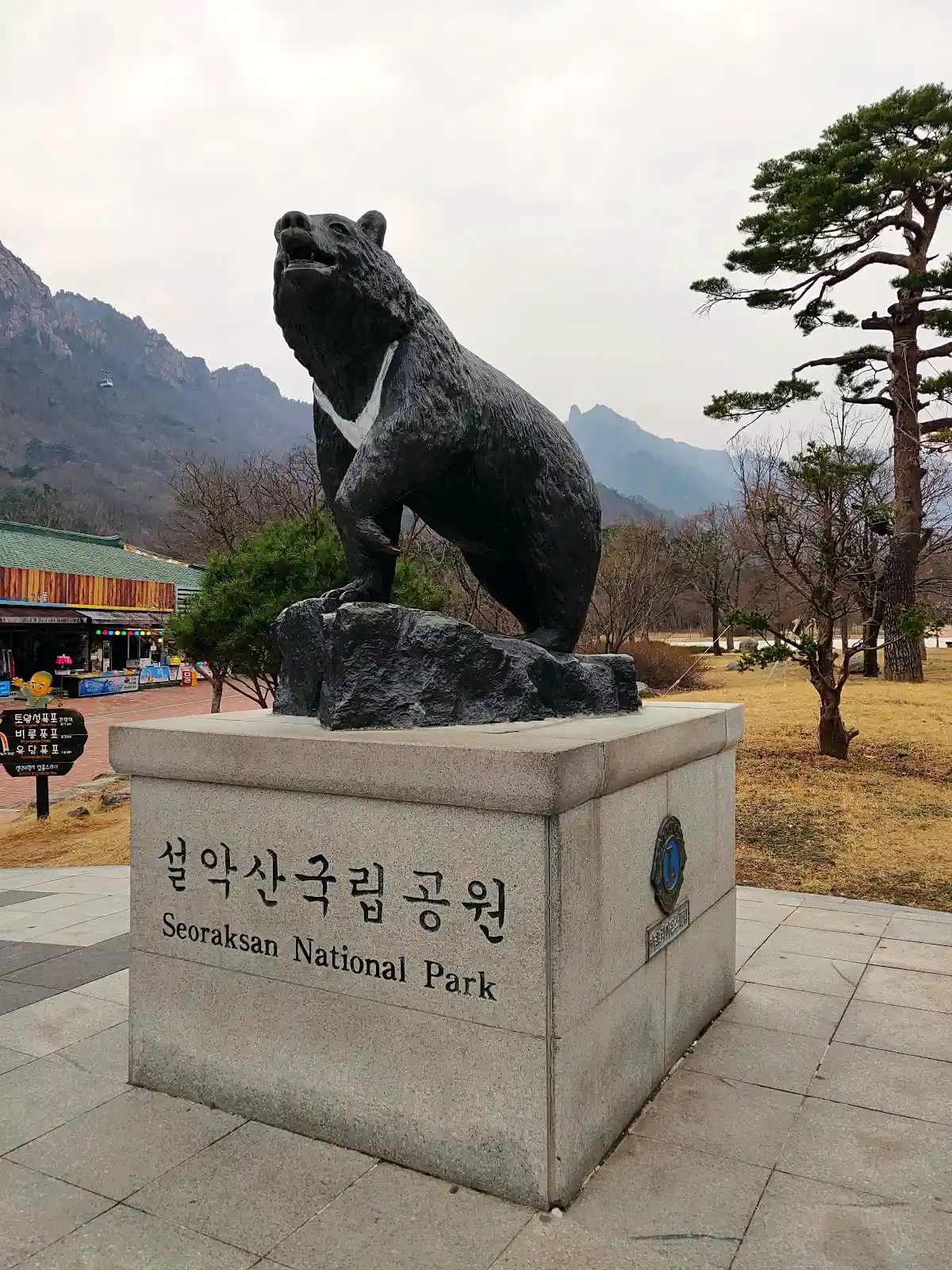
Seoraksan is the hiking country South Korea's capital has no room for — granite peaks, waterfalls, and a cable car that covers most of the climb if the full ridge trail is more ambition than the trip allows. Direct buses run from Seoul's intercity terminal, and the trip takes a little under three hours each way — a genuine day trip if you leave early, or an overnight in nearby Sokcho if six hours on a bus feels like a poor use of a short trip.
Autumn is when Seoraksan gets genuinely busy — the foliage is the reason half of Seoul makes the same bus trip you're considering — so a weekday visit or an early cable car queue matters more here than almost anywhere else on this list. Outside peak foliage season, the park empties out considerably, and the same trails that need a 6am start in October are manageable at a normal pace in spring.
Jeju Island Is Doing Its Own Thing, Which Is the Point
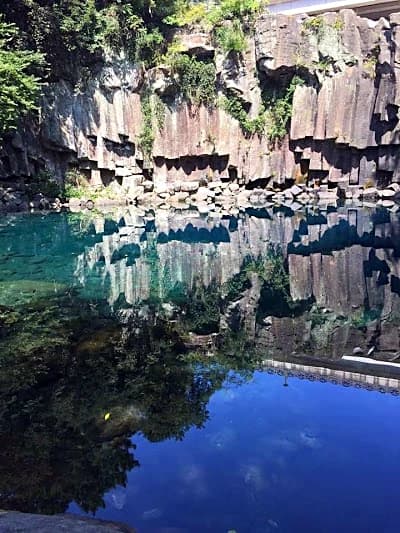
Jeju is roughly an hour's flight from Seoul and doesn't try to resemble the rest of the country. Volcanic coastline, black sand beaches, a dormant volcano you can hike in a day, and a local dialect distinct enough that mainland South Koreans sometimes struggle with it. It's the closest thing the country has to its own separate identity, and treating it as a two-day add-on undersells it — three or four days gets you past the coastal viewpoints everyone photographs and into the quieter inland routes.
Jeju also has its own food identity worth building a day around — black pork barbecue specific to the island's native pig breed, and the haenyeo, the free-diving women who've harvested seafood off Jeju's coast for generations and still sell it fresh at small coastal markets. Neither shows up on a Seoul-only itinerary, because neither exists anywhere near Seoul.
The Rule of Thumb: The Two-Hour Radius Filters Out the Interesting Stuff
Here's a heuristic that holds up more often than it should: anything within a two-hour KTX ride of Seoul has probably already been found by the same tour operators running the palace circuit. Jeonju sits right at that edge and still works, because it's a whole town rather than a single stop. Push past the two-hour mark — Seoraksan by bus, Jeju by air — and the crowd math changes completely. It's not really a rule about distance. It's a rule about what a two-hour radius filters out.
It also explains why Busan, technically past the two-hour mark by KTX but a well-worn stop on the standard route, doesn't quite qualify as offbeat anymore — it's simply too easy to get to and too established on the tourist trail to filter anyone out.
What Vani Actually Does With a Trip Like This
Vani, G8Trip's AI travel assistant, can build a day-by-day itinerary that mixes Seoul with Jeonju, Seoraksan, or Jeju if you ask for it directly — say "add two days in Jeonju before Busan" and it restructures the plan instead of defaulting to the standard palace loop. It searches flights and hotels with live pricing through the same booking flow, checks the weather for wherever you're headed, and uses Google Places to find restaurants or transit stops once you're on the ground. It can also pull together a full booking checklist once the plan is set — flights, hotel, and any activities — so nothing gets missed between Jeonju and the flight home. Vani can put a mixed itinerary like this together in one conversation, instead of the usual forty open tabs.
What it won't do is tell you which unmarked bibimbap stall in Jeonju's food alley is worth the queue over the one next door — that's still something you learn by standing in line, not by asking an app. It also can't promise the Seoraksan cable car will be running on the day you show up; mountain weather sets its own schedule. What it's genuinely useful for is the unglamorous half of the trip — flights, hotel dates, a route that doesn't waste a day backtracking — so the offbeat half has room to actually happen instead of being the thing you meant to fit in.
Frequently Asked Questions
How many extra days do I need for an offbeat South Korea trip beyond Seoul?+
Is Jeonju worth an overnight or just a day trip?+
Can I get to Seoraksan without renting a car?+
Is Jeju Island worth adding to a first-time South Korea trip?+
Does Vani know about offbeat spots like these, or just the main cities?+
Seoul isn't going anywhere. It'll still be there, mall and all, whenever you get back to it. Jeonju's food alley, on the other hand, starts closing up by nine — plan accordingly.
Ready to plan your trip?
Let Vani, our AI travel assistant, build your perfect itinerary.
Start planning for free →