Offbeat Spain Local Spots Most Itineraries Never Reach
Spain gets planned in exactly two cities. Barcelona for four days, Madrid for three, and a bolt-on to Seville if the itinerary template had room left. This isn't a complaint about Barcelona or Madrid — both earn every day you give them. It's a complaint about the template, which was clearly built by someone optimising for flight prices rather than for Spain.
The country is split into seventeen autonomous regions, each running on a genuinely different food, architecture, and pace. Most travellers experience two of them. The offbeat Spain local spots worth adding to a standard itinerary aren't hard to reach — Girona is 40 minutes from Barcelona on the high-speed train. Montserrat is closer than that. The gap isn't distance. It's that nobody budgets a day for them, because the two-city plan already feels full by the time anyone thinks to check.
ℹ️ The Short Answer
Spain's strongest offbeat spots — Girona, Montserrat, Cordoba's Mezquita, and Granada's Albaicin — sit close enough to Barcelona and Madrid to work as day trips or one-night detours. Most fit into an existing two-city itinerary for the cost of one or two extra days, not a rebuilt trip.
The Offbeat Spain Local Spots Worth Adding to Your Plan
The ones most worth rerouting for:
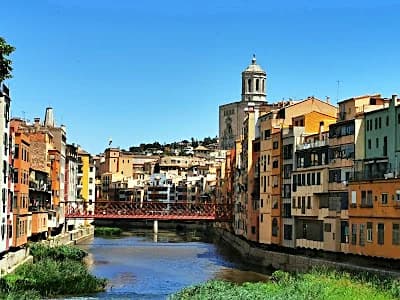
Girona — a 40-minute high-speed train from Barcelona, with a medieval old town, a cathedral with one of the widest Gothic naves in Europe, and a river walk lined with painted houses that still isn't on most first-time itineraries. Half a day covers the highlights; a full day covers them without rushing.
Montserrat — the jagged mountain an hour outside Barcelona, home to a Benedictine monastery and hiking trails with views across Catalonia. Doable as a half-day trip via the rack railway or cable car. Most visitors who make it to Sagrada Familia never make it here, which is a genuinely odd allocation of a single trip to Barcelona.
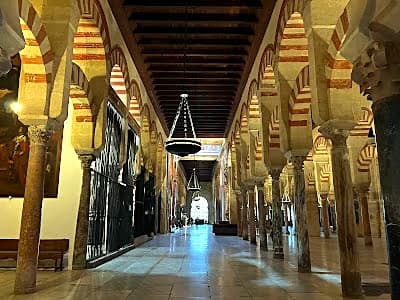
Cordoba's Mezquita — a mosque-cathedral that is, structurally, one building doing the work of two religions across a thousand years. It sits between Madrid and Seville on the train line, which makes it one of the easiest reroutes in the entire country and one of the most skipped.
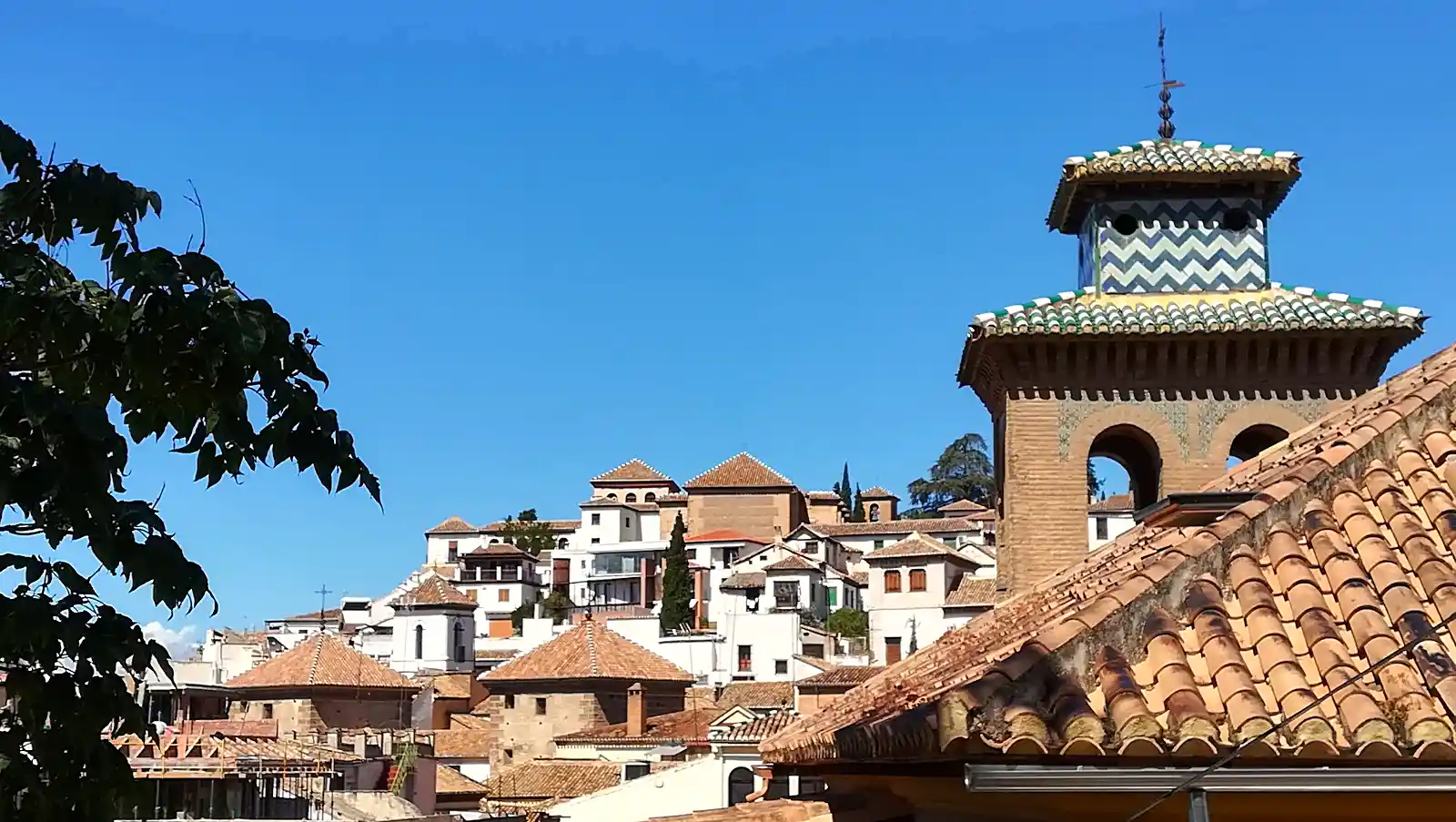
Granada's Albaicin — the old Moorish quarter facing the Alhambra across the Darro valley. Most visitors book the Alhambra ticket and never cross the river to look back at it, which is, structurally, like visiting a museum and skipping the view from the café across the street.
Where Most Spain Itineraries Stop Short
Girona and the Day Trip Nobody Budgets For
Girona sits on the Barcelona–France high-speed line, which means it's also where most people watch it go past on the way to somewhere else. That's a planning error easy enough to fix: the train from Barcelona Sants takes 38–40 minutes depending on the service, and Girona's old town — the cathedral steps, the Jewish quarter, the colourful houses along the Onyar river — is compact enough to see properly in four to five hours.
The catch: the Game of Thrones crowd (several scenes were filmed on those cathedral steps) shows up in tour buses by midday. Arrive on the first or second train out of Barcelona and you'll have the steps mostly to yourself for an hour, which is more than most Barcelona day-trippers manage anywhere in the city itself.
Montserrat Over a Fourth Day in Barcelona
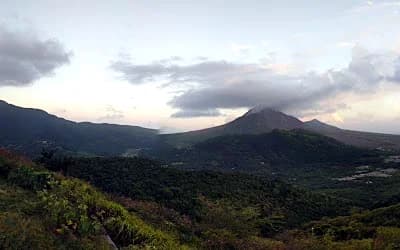
Montserrat is closer to Barcelona than Girona and less visited, largely because it doesn't photograph as instantly recognisable as Sagrada Familia. The mountain itself is the draw — jagged rock formations, a monastery built into the cliff face, and hiking trails (Sant Jeroni is the longest, at around three hours return) with views that stretch toward the Pyrenees on a clear day.
Getting there is straightforward: a train to Aeri de Montserrat, then either the cable car or the rack railway up. Both run regularly and neither requires advance booking outside peak summer weekends. Most guides describe this as a half-day trip. It's a full day if you actually walk any of the trails, which — if you've come this far — you should.
Cordoba, the Reroute Nobody Takes
Seville gets the Andalusia slot in most itineraries, and it's a reasonable choice — the Alcazar and the cathedral both justify the visit. But Cordoba sits directly between Madrid and Seville on the same high-speed line, adding roughly 45 minutes to a journey most people are already making.
The Mezquita is the reason to stop: a mosque built in the 8th century, later converted into a cathedral without ever fully erasing the original structure, so you get horseshoe arches in red and white stone opening onto a Renaissance nave in the middle of it. There is nothing else quite like it in Spain, and it's a train stop most itineraries treat as a scheduling inconvenience rather than a destination.
💡 Timing Around Siesta
Smaller cities like Cordoba and Girona still close shops and some sights between roughly 2pm and 5pm. Plan your midday around lunch and a slow walk, not a museum queue — you'll lose the argument with the shutter either way.
One Rule of Thumb for Planning Offbeat Spain
Spain's two-city itinerary (Barcelona plus Madrid, or Barcelona plus Andalusia) already has natural gaps built in — travel days, train transfers, the odd slow afternoon. Rule of thumb: use those gaps for one offbeat stop each, rather than adding entirely new days to the trip.
Barcelona-based days can absorb Girona or Montserrat as a single detour without touching the rest of the itinerary. A Madrid-to-Seville leg can absorb Cordoba almost for free, since the train already runs straight through it. Granada's Albaicin is the one exception — the Alhambra deserves its own day regardless, so budget a second afternoon for the quarter across the river rather than treating the fortress as the whole story.
I'll admit I'm not immune to over-optimising this exact gap. I have a B.Tech from IIT Kanpur and have still missed a train connection because I built too tight a schedule and skipped the buffer. The lesson isn't that planning is pointless — it's that even people who've planned for a living make this mistake, so leave room for it before you're the one running for a platform.
How Vani Handles Spain Trip Planning
If you're building a Spain itinerary from scratch, Vani can put together a day-by-day plan that slots Girona, Montserrat, or Cordoba into the travel days you already need, rather than treating them as separate add-ons. Tell her which two-city base you're using and she'll work out which detours actually fit the train schedule.
She can search live flights into Barcelona or Madrid and find hotels at each stop, including smaller guesthouses in Girona or Cordoba where the inventory is thinner than in the big cities. What she won't do is convince you that a fourth city fits into a nine-day trip when it doesn't — nine times out of ten, the honest answer for someone asking about Seville, Granada, and San Sebastian in one week is 'pick two.' Vani will say that plainly, which is more useful than a version of the plan that looks complete and isn't.
What are the best offbeat places in Spain?+
Is Girona worth a day trip from Barcelona?+
How do I get to Montserrat from Barcelona?+
Can I visit Cordoba between Madrid and Seville?+
Do I need extra days in my itinerary for these offbeat Spain spots?+
The two-city itinerary was never wrong. It's just missing every stop the train was already going to make anyway — you just have to get off.
Ready to plan your trip?
Let Vani, our AI travel assistant, build your perfect itinerary.
Start planning for free →