The Offbeat USA Road Trip Stops Worth the Extra Exit
Every USA road trip starts the same way: a rental car, a route planner, and six identical highway exits with the same three fast-food chains on repeat. Fifty states of open road, and most people still end up at the same rest stop outside Flagstaff, ordering the same coffee, looking at the same laminated menu. Offbeat USA road trip stops don't come from driving further or adding three extra days to the trip. They come from stopping at different exits than everyone else, which is a smaller ask than it sounds.
ℹ️ The Direct Answer
The offbeat USA road trip stops worth planning around sit near the interstate, not on it: small-town courthouse squares, national park entrances you'd otherwise drive past, and diners that predate the highway itself. Pick two or three of these as anchors before you leave, and build the driving route around them — not the other way round.
What Actually Counts as an Offbeat USA Road Trip Stop
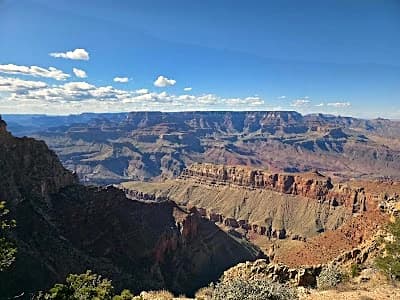
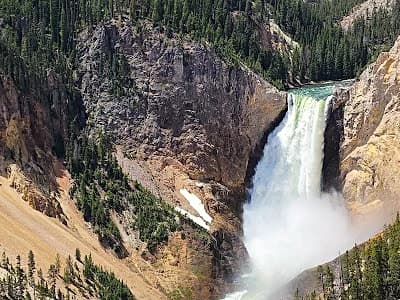
An offbeat stop isn't obscure for the sake of it. It's a place genuinely worth the diversion that doesn't show up on the first page of "best US road trip stops" listicles. The Grand Canyon's South Rim gets the crowds and the parking-lot standoff by 10am. The North Rim, open only May through October, gets a fraction of the visitors and the same view. Yellowstone's Old Faithful lot fills before breakfast. The Norris Geyser Basin, twenty minutes north, rarely does. Same park, same road system, a completely different morning — because most travellers stop where the map app tells them to, not where the interesting thing actually is.
This is also true at town scale. A courthouse square with a diner that's been running the same three specials since the 1950s isn't hidden. It's just not the exit with the gas station chain and the billboard, so it doesn't get stopped at. The same goes for state parks that sit fifteen minutes from a national park with better name recognition — same geology, same trailheads half the time, none of the queue for the parking lot.
None of this requires specialist knowledge or a local contact. It requires deciding, before the trip, that the stop worth having isn't automatically the one with the biggest sign.
How to Build a Route Around Offbeat Stops, Not Despite Them
Check What's Twenty Minutes Off Your Route Before You Leave
Most interesting detours are closer than they look on a full-country map. Before locking in a route, check what's within twenty to thirty minutes of each overnight stop — not what's on the way, but what's near where you're already stopping. A state park nobody mentions because the national park next door has better marketing. A local brewery in a town you'd otherwise drive straight through. A diner that shows up in exactly zero "top 10" lists because nobody's paid to put it there. This is a five-minute check, done once, before the trip — not a decision made from the driver's seat with a hungry back seat behind you.
(This is also the part where most road trip guides tell you to "follow your instincts." Your instincts are fine at the wheel. They're not great at remembering there was a state park exit two miles back, especially at hour six of a driving day.)
Do this check for every overnight stop on the route, not just the ones that already sound interesting. The most useful detours tend to show up near the stops nobody planned around in the first place.
Time Small Towns Around Their One Good Weekend
Small towns on a road trip route often have exactly one stretch a year worth building a stop around — a harvest festival, a rodeo, a farmers' market that only runs in season — and are forgettable the rest of the time. Getting the timing right turns a gas-and-go stop into the best two hours of the trip. Getting it wrong turns a promising detour into a closed Main Street and a locked museum. It's usually one search away: the town name plus "events this month" tells you which version of the stop you're about to get.
The same applies to opening hours more broadly. A lot of small-town America still runs on a schedule that assumes you're a local — early closing, Monday closures, a lunch counter that stops serving lunch at 1:30pm sharp. Check hours before you build a stop around a specific place, not after you've already driven the twenty minutes to get there.
⚠️ Don't Chase Every Detour
Two or three anchor stops is a road trip. Eight is a research project with a car attached. Every offbeat suggestion you add costs driving time you'll need somewhere else on the route.
The One-Exit-Early Rule of Thumb
Rule of thumb: get off the interstate one exit before you think you need to. The exit everyone takes has the gas station chain and the fast-food chain, chosen for interstate visibility, not for being any good. The exit before it usually has the diner, the local brewery, or the view nobody photographs because it's not the one already picked for them online. This doesn't work every time — sometimes the early exit is just an early exit with nothing on it. But honestly, often enough that it's worth the two extra minutes of driving, the version of the stop that isn't optimised for a chain's real estate strategy is the better one nine times out of ten.
It costs almost nothing to test. Worst case, you turn back onto the interstate a mile earlier than planned, no harm done. Best case, it's the stop everyone in the car still talks about a year later, and the one that never makes it into a listicle because listicles are written by people optimising for search volume, not for a good three-hour drive.
What Vani Actually Does With a Road Trip Route (and What It Doesn't)
Vani, G8Trip's AI travel assistant, plans road trips as a specific itinerary type — tell her the start city, the number of days, and how many people are travelling, and she'll build a day-by-day route with driving legs, overnight stops, and accommodation areas already worked in. Ask her to find hotels near a specific stop and she'll pull live pricing and availability, not just a list of names to cross-check elsewhere. She can also surface restaurants, pharmacies, and fuel stops near any point on the route through Google Places, which is useful when you're deciding whether that small-town detour actually has anywhere to eat before you commit twenty minutes to it.
If a trip runs long — nine days or more — she breaks it into phases and plans each chunk on request, which matters for a cross-country route where the West Coast leg and the Midwest leg are really two different trips wearing one itinerary.
What she doesn't do: know that the diner in question has been run by the same family since 1962, or that the state park detour is only worth it if the wildflowers happen to be blooming that week. That context still comes from you, or from the kind of research this article is trying to save you from doing twice. Vani builds the skeleton — the route, the stops, the logistics, the hotel search. You still have to know which bone is interesting. Start building a road trip route with Vani and layer in the parts only you know about.
FAQ
What's the best way to find offbeat stops on a USA road trip?+
Are offbeat road trip stops worth the extra driving time?+
Can Vani plan a road trip that includes offbeat stops?+
How many offbeat stops should I plan into one road trip?+
Do offbeat stops need to be planned before the trip starts?+
The interstate will always be there. The diner that's been open since 1962 might not be, so start there. Your GPS will recalculate. It always does.
Ready to plan your trip?
Let Vani, our AI travel assistant, build your perfect itinerary.
Start planning for free →