Paris Like a Local Hidden Spots, Not the Tower Queue
Every Paris itinerary hits the same four stops: Eiffel Tower, Louvre, Notre Dame, Champs-Élysées. All four are worth seeing once. Paris like a local hidden spots is a different trip entirely — quieter, slower, and never on a four-day checklist. Most travellers never get past the postcard version, then wonder why the trip felt like a queue with better weather. (It's the queue. It's always the queue.)
💡 Quick answer
Paris like a local mostly means picking one neighborhood and staying in it longer than a photo stop — Montmartre's back streets past the Sacré-Cœur crowd, Luxembourg Gardens on a weekday morning, Père Lachaise for the quiet rather than the celebrity graves.
Why the Landmark Route Leaves Out the City People Actually Live In
The five-landmark Paris itinerary exists because it's efficient, not because it's representative. Every stop sits on a tour-bus route, every one has a queue, and every one closes by early evening — which is exactly when Paris gets interesting for the people who live there.
Parisians don't spend Tuesday nights at the Eiffel Tower. They're in a neighborhood bistro three streets back from wherever the tour groups walk, or reading in a park that doesn't require a ticket. None of this is secret information — it's just not what shows up when 'Paris itinerary' is the search term, because landmark itineraries get built for people with 48 hours, not for genuine curiosity about the city.
If you already have a landmark day booked (you should — see the Louvre once, it's worth it), the version of the trip that follows this piece adds the parts your itinerary probably skipped: the neighborhoods, not just the monuments sitting inside them.
This isn't an anti-landmark argument. It's a scheduling one. A five-day trip that spends four days on landmarks and one afternoon on a neighborhood has the ratio backwards for anyone who's already seen the postcards online a hundred times before landing.
Paris Like a Local Hidden Spots: Four Neighborhoods That Earn a Full Afternoon
Paris like a local hidden spots aren't a separate itinerary — they're what happens when you give one or two neighborhoods a full afternoon instead of forty rushed minutes each. Here are four that consistently show up in actual Parisians' recommendations rather than tour-operator lists.
Montmartre, Past the Sacré-Cœur Steps
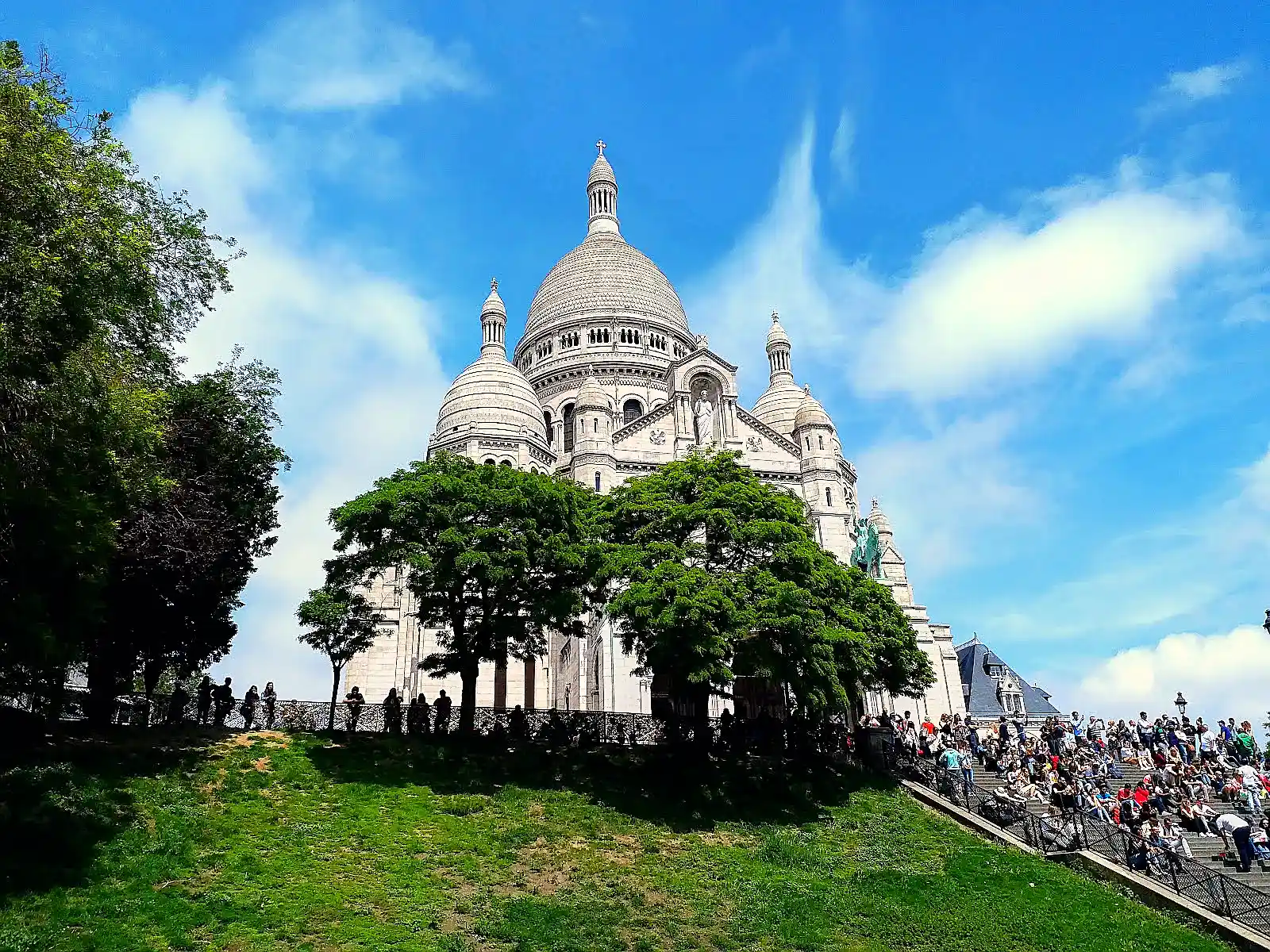
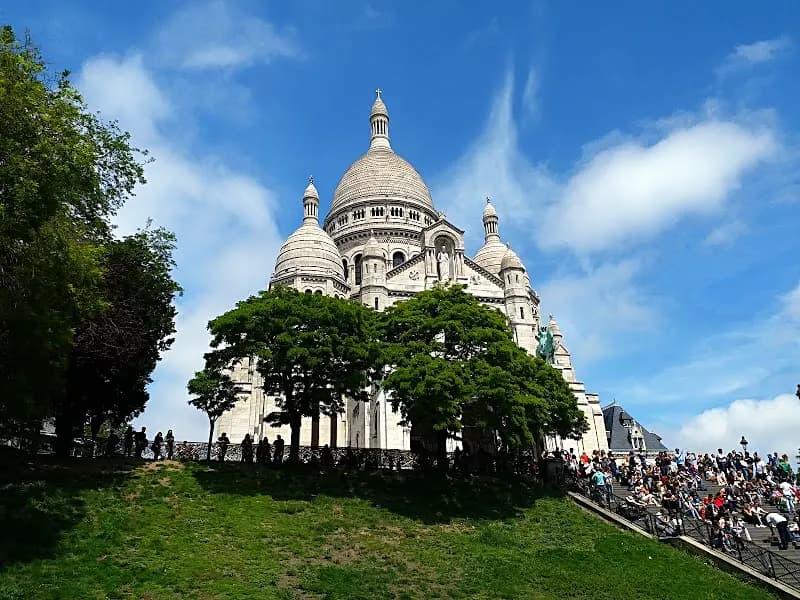
Everyone climbs to Sacré-Cœur for the view, takes the photo, and leaves. The streets just past it — rue Lepic, rue des Saules, the small vineyard on the hill's north side — are where the neighborhood actually lives: bakeries with a line of regulars, not tourists, and a village feel the city's grand 19th-century renovations never quite reached in this corner.
The trick is arriving before 10am or after 5pm, when the funicular crowd thins out. Locals treat the basilica steps as something to pass through, not linger on — the lingering happens two streets over, where nobody's selling a selfie stick.
The vineyard itself, Clos Montmartre, is small enough to see in five minutes and only opens to the public one weekend a year for its harvest festival. Worth checking dates before you go if that's the draw — otherwise it's just a nice fence to walk past on the way to a quieter café.
Luxembourg Gardens on a Weekday Morning
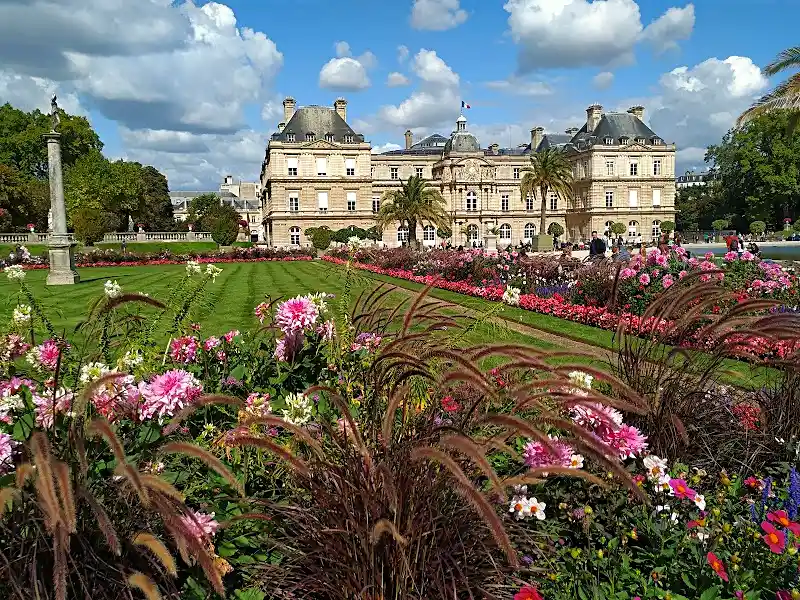
Jardin du Luxembourg does the same job as the Tuileries — formal French garden, good people-watching — with a fraction of the tourist traffic, mostly because it's a 15-minute walk from the nearest big-name landmark rather than attached to one. Parisians use it the way any city uses a good park: running before work, reading on a bench, letting kids sail toy boats in the fountain on weekends.
Weekday mornings are close to empty. Weekend afternoons fill up with the exact local life you're presumably here to see — worth timing your visit around which version of the park you actually want. Bring your own coffee; the on-site kiosk is fine but not worth planning around.
Père Lachaise, for the Quiet More Than the Graves
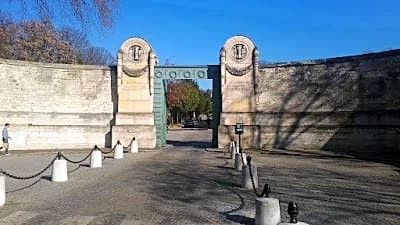
Most visitors go to Père Lachaise for one of three graves — Jim Morrison, Chopin, Oscar Wilde — take a photo, and leave within twenty minutes. The cemetery is enormous, tree-lined, and one of the few genuinely quiet outdoor spaces in central Paris, which is the actual reason locals walk through it on a Sunday.
Skip the map app's shortest route between the famous graves and just walk the perimeter paths instead. It's the closest thing central Paris has to a forest, and almost nobody uses it that way. Give it an hour, not the twenty minutes a checklist visit takes — the appeal here is the walk, not the destination.
Rule of Thumb: One Neighborhood a Day Beats Five Landmarks
The heuristic: if your day has more than two 'must-see' stops on it, you're touring, not visiting. Pick one neighborhood, let it fill the whole day, and treat the big landmarks as things you pass on the way rather than the destination itself.
This is a lesson I keep relearning badly. Every trip I plan starts with a tighter schedule than the last one, and every trip I've actually enjoyed involved throwing out half of it by day two. This is not an argument against planning — it's an argument for planning a little less precisely, and leaving room for the neighborhood to talk you out of the next three stops on the list. Total trip cost doesn't change much either way; you're not paying more to sit still than to keep moving.
What Vani Does and Doesn't Do With 'Somewhere Local'
Ask Vani to build a Paris itinerary around neighborhoods instead of landmarks, and it will structure the days that way — Montmartre in the morning, Luxembourg Gardens for an afternoon reset, Père Lachaise worked in wherever the walking distance makes sense against your hotel. It also handles the practical layer: nearby cafés and pharmacies through Google Places, and hotel options in the arrondissement you actually want to be based in, not just wherever's cheapest.
What it doesn't do is tell you which bakery has the line of regulars outside — that's not something a booking API knows. Vani gets you a structurally sound day; the neighborhood's specific character is still something you find by walking it. If you want the full itinerary built around this idea, start a conversation with Vani and tell it which neighborhoods you're curious about, or check the travel guide hub for more city-specific planning.
Worth saying plainly: this isn't a failure of the technology. It's just a different layer of the trip. Vani's job is getting the logistics right so you're not standing on a street corner recalculating a metro transfer — the wandering part was never going to be automatable, and honestly, it shouldn't be.
What's the difference between Paris like a local and a normal itinerary?+
Is Montmartre still worth visiting if it's touristy?+
How many days do I need to see Paris this way?+
Is Père Lachaise safe and easy to navigate?+
Can Vani help plan a neighborhood-based Paris trip?+
See the Eiffel Tower once. Then go find the bakery that isn't in anyone's carousel post. That's the version of Paris that actually stays with you — mostly because nobody else photographed it first.
Ready to plan your trip?
Let Vani, our AI travel assistant, build your perfect itinerary.
Start planning for free →