A Scotland Itinerary That Survives the Highland Roads
A scotland itinerary looks deceptively short on a map — Edinburgh to Skye covers roughly the same distance as Delhi to Jaipur. Then you actually drive it, discover half the route is single-track road with passing places, and every optimistic day-plan collapses by lunchtime on day two. The map is honest about distance. It says nothing at all about speed.
ℹ️ The short version
Ten days works for a first scotland itinerary: three in Edinburgh and the Lowlands, six across the Highlands split between Loch Ness and Skye, with a buffer day built in. Book the buffer in — Highland roads are always slower than they look.
How Many Days Does a Scotland Itinerary Actually Need?
Scotland's size is misleading on a map because road speed isn't uniform across it. The Central Belt — Edinburgh to Glasgow — is motorway-fast. The Highlands are a different country entirely: single-track roads, passing places that require actual etiquette, and sheep that have never read the highway code. A drive Google Maps estimates at two hours can easily run three once you're behind a tour coach on the road to Applecross.
Seven days covers Edinburgh plus one Highland loop — Loch Ness and Skye, or the southern stretch of the North Coast 500, not both. Ten days lets you do Edinburgh properly, then both Loch Ness and Skye without the trip becoming entirely about driving. Under five days, skip the Highland loop altogether and do Edinburgh, Stirling, and Glasgow instead — still a complete trip, just a different one.
Weather is the other variable worth factoring in. Highland roads can close briefly in winter snow, and daylight hours shrink hard by December — a 4pm sunset eats into any driving day fast. Late spring through early autumn keeps the passes open and gives you enough daylight to actually use the extra hours you built into the schedule.
Edinburgh First, Then North and West
Once the day count is settled, the route itself is straightforward: Edinburgh as the opening base, then one push north into the Highlands, then west to the coast and Skye before looping back. Trying to reorder this — Skye first, Edinburgh last — mostly just adds driving without adding anything else, since Skye and Edinburgh sit at opposite ends of the country and everything else on the route falls somewhere in between.
Days 1–3: Edinburgh and the Old Town
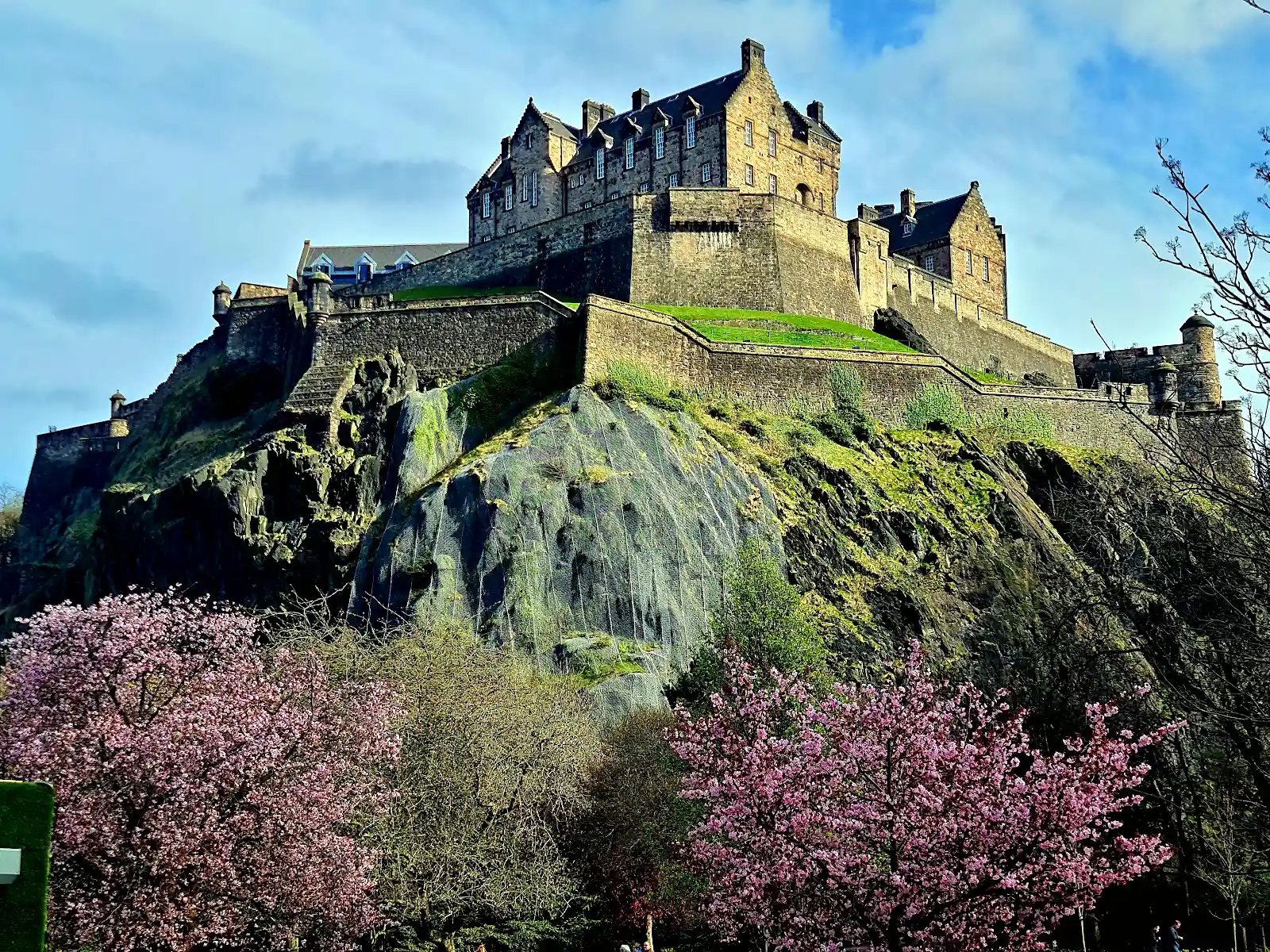
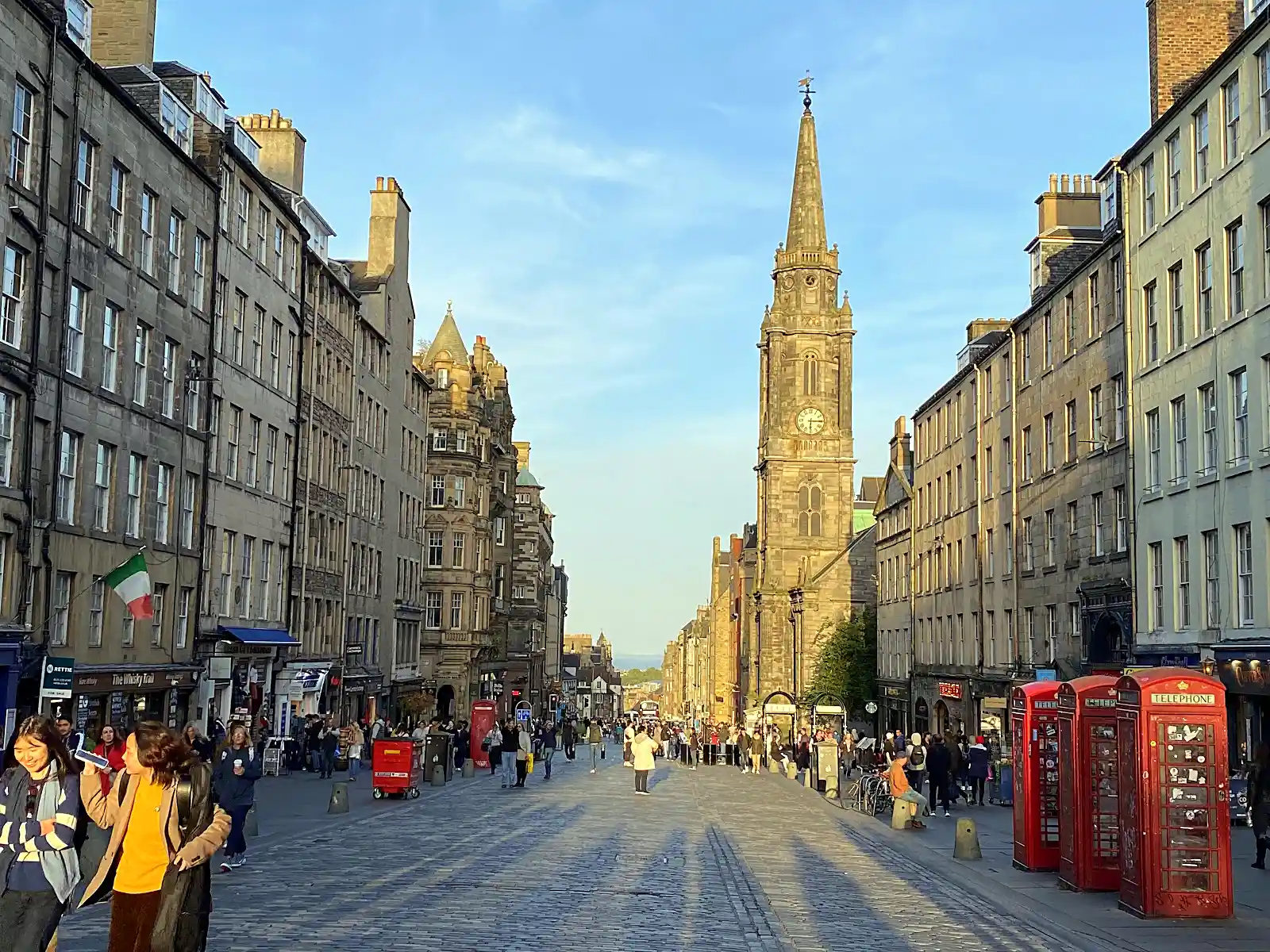
Edinburgh earns three full days before the car gets involved at all. The Old Town along the Royal Mile is walkable end to end in twenty minutes, which undersells how much is packed into it — closes, wynds, and enough underground vaults to make you reconsider what 'ground floor' means in a five-hundred-year-old city. Edinburgh Castle sits at one end, doing the thing castles do. Budget a half-day for Stirling Castle if you're driving north anyway — it's roughly on the way, and it's where a fair amount of Scotland's actual history happened, whatever Edinburgh's version of events implies.
Days 4–6: Loch Ness and the Central Highlands
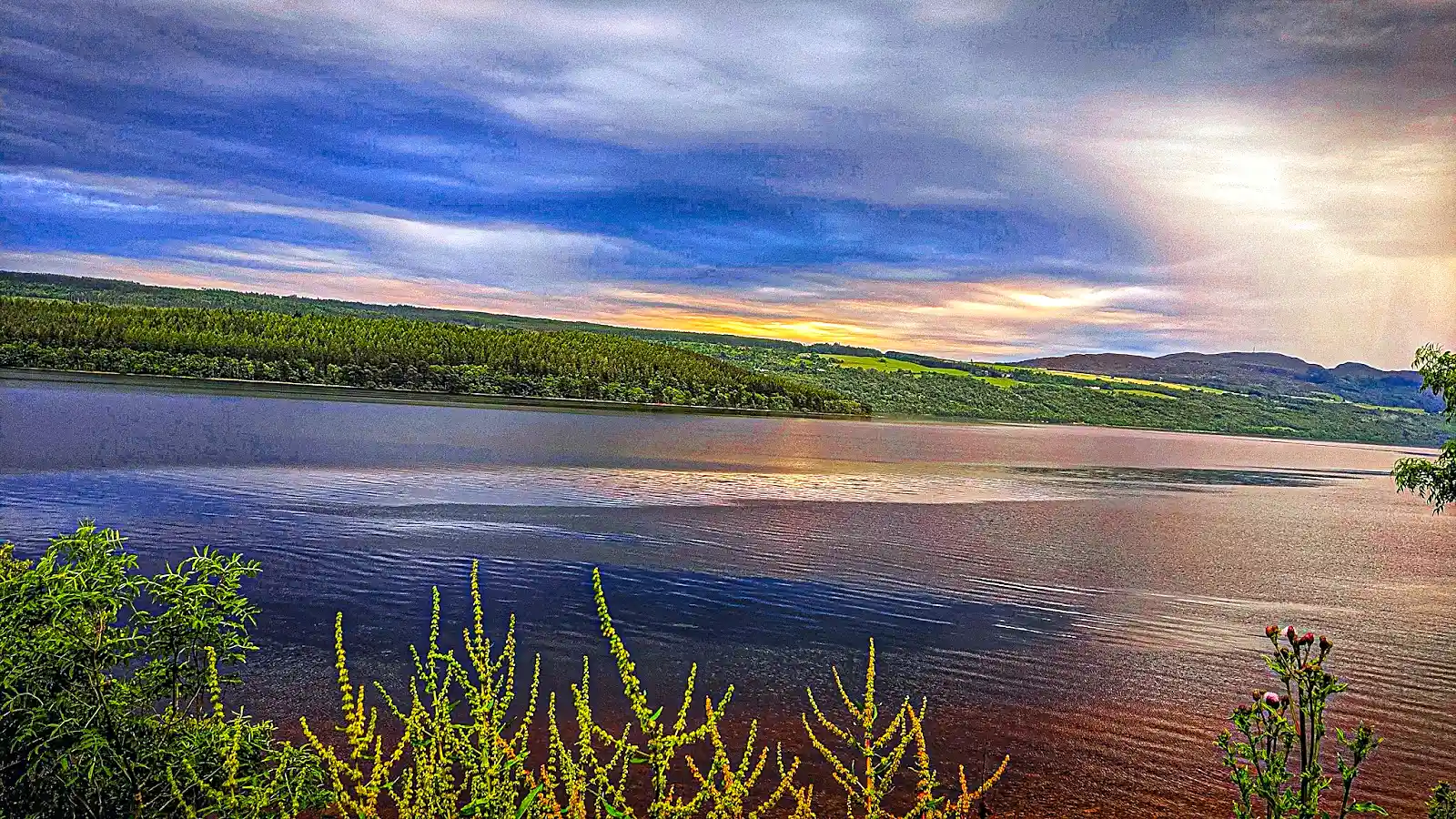
North from Edinburgh, the drive to Loch Ness takes about three hours if nothing goes wrong — something usually does, whether it's a tour bus, a herd of Highland cattle, or roadworks that appear to be a permanent installation. The loch itself is long, dark, and mostly famous for a monster nobody has produced convincing evidence for in roughly ninety years, which hasn't stopped several excellent boat tours from making a steady living off the search anyway. Urquhart Castle's ruins sit right on the water and are worth the stop regardless of what you believe about Nessie. Base in Inverness for two nights — small enough to feel manageable, central enough to reach the loch, Cawdor, and the Culloden battlefield without re-packing.
Days 7–9: Skye and the West Coast
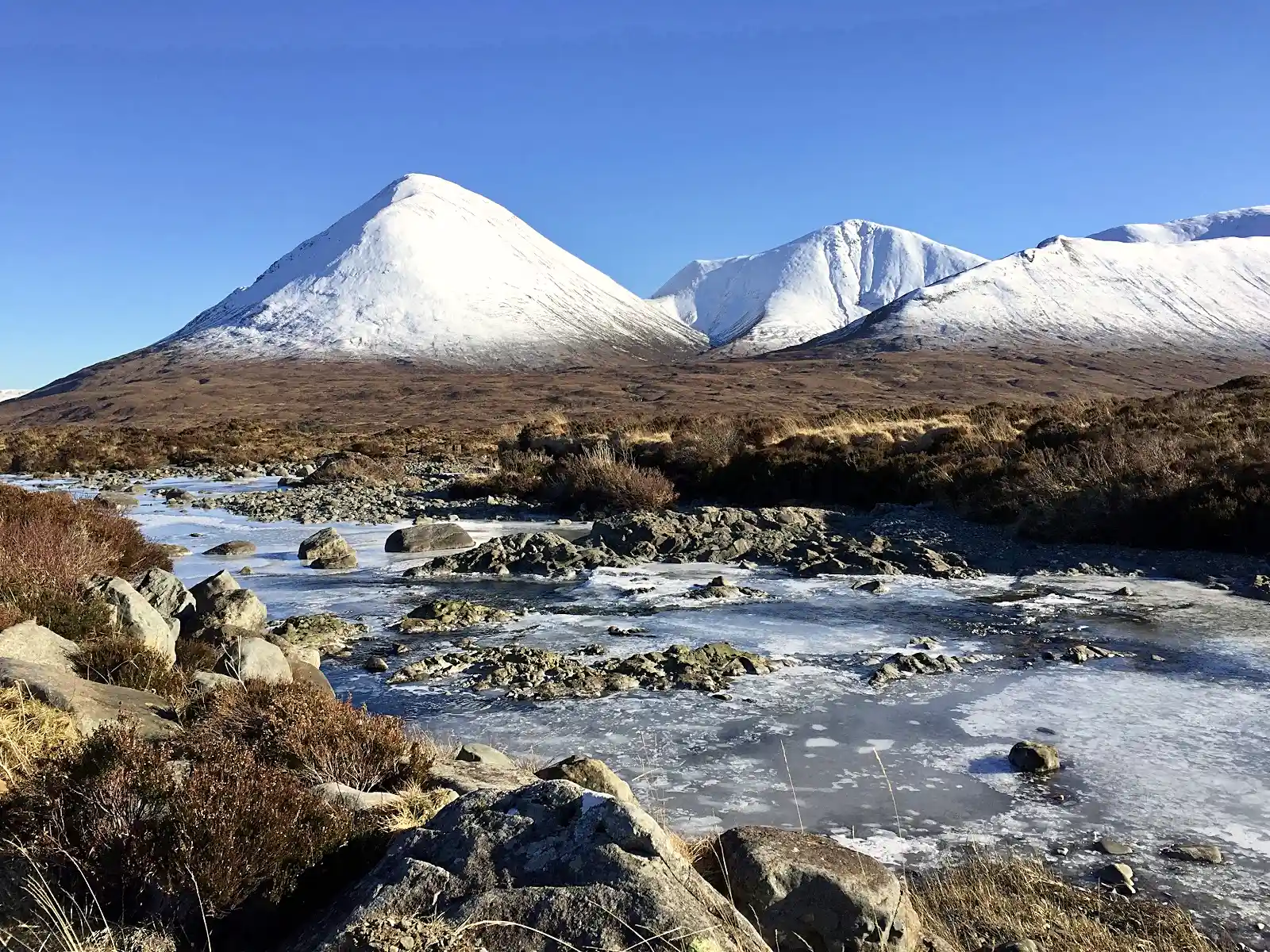
Skye is where the itinerary either becomes the best three days of the trip or a lesson in why single-track roads need passing places. The Old Man of Storr and the Quiraing are the two hikes everyone photographs; the Fairy Pools are the one everyone gets cold feet about, literally, before finally getting in. Portree makes a sensible base — small, walkable, with enough seafood restaurants that you won't notice you're eating dinner at 9pm because the sun hasn't decided to set yet. Give Skye a minimum of two full days. One is not enough, and everyone who's tried it agrees, usually while still on the island and already planning a longer second trip.
The Rule of Thumb: Halve Your Estimated Highland Driving Speed
Here's the heuristic that saves every Highland-heavy itinerary from collapsing: whatever driving time Google Maps gives you for a Highland route, plan for one and a half times that, minimum. The roads are narrower, the passing places require genuine give-and-take, and there will be a tour coach, a tractor, or a very confident sheep at some point on every single-track stretch. This isn't pessimism — it's just what the roads are. Build the buffer in before the trip starts, not as a stressed recalculation somewhere past Fort William.
⚠️ Book Skye Accommodation Early
Portree's hotels and guesthouses fill up months ahead in summer. Book this leg first, then build the rest of the itinerary around confirmed Skye dates — not the other way round.
What Vani Actually Does With a Scotland Itinerary (and Where You're On Your Own)
Ask Vani to build this Scotland trip and it lays out the Edinburgh-then-Highlands structure above, adjusted for however many days you actually have — road trip mode included, since Scotland is one of the trip types it plans for specifically. Tell it you want Skye but not Loch Ness, or that you're travelling with two kids under ten, and it rebuilds around that instead of making you start from scratch. It also searches live flights into Edinburgh and hotels for each base — Edinburgh, Inverness, Portree — through G8Trip's Cleartrip integration, so the plan comes with real prices attached rather than a guess, and you can ask it to check the weather outlook for Inverness or Portree in the same conversation.
What it won't do: tell you if the Skye ferry or a specific Highland pass is closed for roadworks the exact week you're travelling, or whether that guesthouse in Portree actually has parking. Local, live, small-detail stuff like that is still a call-the-guesthouse situation, and it would be a strange thing for any tool to overclaim. It will sort the visa picture — most Indian passport holders need a UK visa, and Vani links straight to Atlys for it — and pull the weather forecast for whichever week you're travelling, which in the Highlands is less a forecast and more a rough suggestion everyone quietly ignores. If you want the whole thing built out with actual bookings attached, start planning your Scotland trip here instead of reconstructing it across nine browser tabs.
How many days do you need for a Scotland itinerary?+
Should I rent a car or take trains in Scotland?+
Do Indian passport holders need a visa for Scotland?+
What's the best time of year to visit Scotland?+
Can I do Edinburgh and the Highlands without renting a car?+
The Loch Ness monster has a confirmed sighting rate of roughly zero across ninety years of very motivated looking. Your itinerary doesn't need that kind of patience — just a decent buffer day and a car that isn't afraid of a single-track road.
Ready to plan your trip?
Let Vani, our AI travel assistant, build your perfect itinerary.
Start planning for free →