
Singapore and Malaysia Itinerary: Ten Days Done Right
Singapore and Malaysia appear on the same itinerary so often that most people assume the routing is obvious. It mostly is — but the most common version of a singapore and malaysia itinerary involves flying into Singapore, bouncing to Kuala Lumpur, returning to Singapore, and flying home. That loop costs a travel day and an extra airport fee for no reason. The fix: fly into Singapore, move north through KL and Penang, fly home from Penang or KL. One direction. No backtracking. That's the entire structural argument for why this route works.
ℹ️ The 10-Day Singapore + Malaysia Route
Fly into Singapore (3–4 days), take the express coach to KL (3 days), then the ETS train north to Penang (2–3 days). Fly home from Penang or KL — both have connections to major Indian cities. Budget the Singapore leg higher than the Malaysia leg; it costs considerably more across accommodation, food, and transport.
How a Singapore and Malaysia Itinerary Actually Routes
Ten days is the working minimum. Anything shorter and you're spending more time moving between cities than doing anything in them. The standard split looks like this: Singapore takes 3–4 days, Kuala Lumpur takes 3, and Penang takes 2–3. That adds up to 8–10 days, not counting half-days lost to intercity travel.
Singapore is almost always the entry point, for good reason. It's a major hub for international flights from India, the airport is one of the easiest in Asia to navigate, and the city is compact enough that 3–4 days covers it well. Penang works as the exit because it's further north — using it as the final stop closes the geographic loop without retracing steps.
If you're working with fewer days and have to cut something, Penang goes before KL. Kuala Lumpur has more density — more districts, more eating, more logistical complexity that's worth understanding. Penang is the city you lose first on a tight schedule, though that's a constraint, not a verdict on the destination.
The City-by-City Breakdown
Singapore: Days 1–4
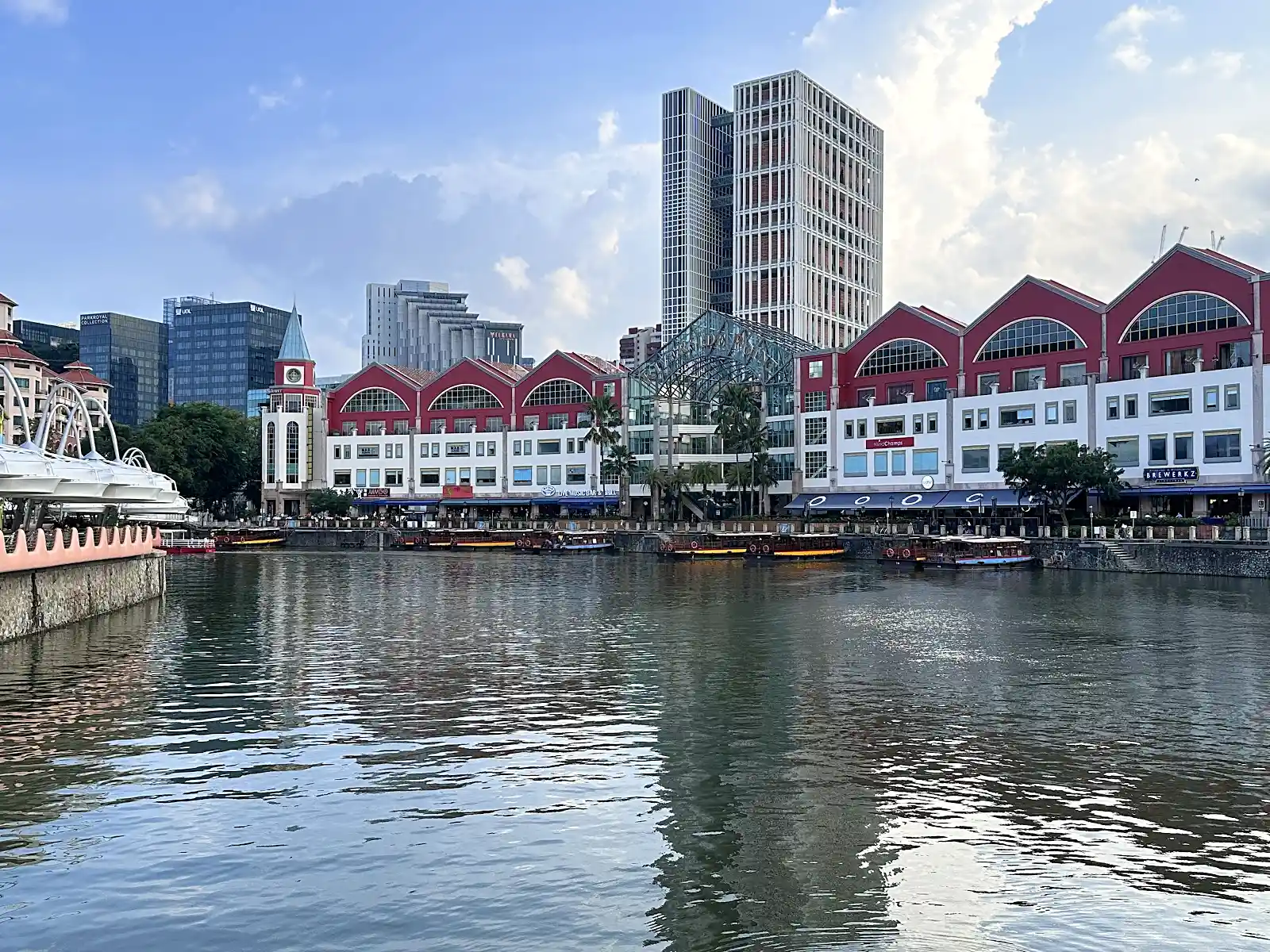
Singapore is compact in a way that rewards that compactness. Marina Bay, Chinatown, Little India, and Orchard Road can all be covered at a relaxed pace in 3 days. A fourth day gets you Sentosa if you want beach and attractions, or a slower morning at the Botanic Gardens and an evening at Clarke Quay — the kind of half-day that makes the trip feel planned rather than assembled.
One budget note: Singapore is considerably more expensive than the Malaysia leg. Accommodation in particular costs more than the Southeast Asia average. That's not a reason to shorten the stay — just a number to build around when planning total trip cost.
The other practical note: do not try to add a day trip to Batam or Bintan unless those islands are specifically what you're there for. The ferry logistics eat most of the day and the destination payoff rarely justifies it on a 10-day itinerary.
Kuala Lumpur: Days 5–7
KL works best understood as a city of neighbourhoods rather than a checklist of landmarks. Bukit Bintang for eating and shopping. Brickfields, the Indian quarter — different from India but with interesting overlaps worth exploring if you're curious what that looks like somewhere else. KLCC for the towers and the park around them, which is worth at least one afternoon even if you've seen the photos a hundred times.
Three days here is enough. Four starts to feel padded unless you're eating very systematically, which is not the worst way to spend a day in KL.
The express coach from Singapore to KL's TBS terminal is the standard intercity move on this route. It's cheaper than flying, arrives centrally, and the total travel time is comparable once you count airport check-in buffers. Book in advance on long weekends.
Penang: Days 8–10
Penang's case is mostly the food. George Town — the old colonial quarter, the street art, the hawker centres — is dense enough to spend 2–3 days in without manufacturing activities. The food reputation is accurate and specific: char kway teow, assam laksa, nasi kandar. These are dishes worth eating at the source, not at an approximation of the source.
The ETS train from KL Sentral to Butterworth takes a few hours. From Butterworth, a short ferry crossing gets you to George Town. The logistics are simple once you know them. (The ferry is the part most people don't anticipate, and then they're charmed by it.)
Flight options from Penang back to India include connections to southern Indian cities — worth checking before defaulting to KL as the departure point.
The Rule of Thumb: Three Cities, One Direction
Three cities. One direction. No backtracking.
If you catch yourself booking a return flight to Singapore when you're ending the trip in Penang, you've added a travel day and an extra fare without adding any new destination. Every variation on this route — adding Langkawi north of Penang, or Cameron Highlands as a midpoint between KL and Penang, or Melaka as a day trip from KL — fits the same spine. Move north. Fly home from where you end up.
The one legitimate reason to fly home from Singapore is if it's genuinely the only airport with the flight you need. In that case, fly from Singapore. But check Penang and KL first — both airports have international connections to major Indian cities.
💡 Take the Coach, Not the Flight
The express coach from Singapore to KL is the standard move for this route — cheaper than flying, arrives more centrally on both ends (the Singapore terminal is accessible by MRT), and total travel time is comparable when you account for airport check-in buffers. Book seats in advance on public holidays and long weekends.
What Vani Does on a Singapore + Malaysia Trip
Vani handles the lookupable logistics: flights into Singapore from Indian cities, hotel search across Singapore, KL, and Penang with live pricing and availability, Klook links for activities and experiences, and a day-by-day breakdown of what to do in which order. Start a conversation with your dates and your pace preference at G8Trip's trip planner — Vani builds the full itinerary for all three cities in one pass, including the booking list.
What it doesn't do is make the judgment calls for you. Three days in Singapore or four. Whether to add Langkawi. Whether Penang justifies the days on a shorter trip. Those depend on what you want from the trip, and Vani needs that input before it can structure anything usefully. Tell it what matters, and it handles the rest.
If you're planning the intercity train or ferry, Vani can surface relevant Klook options for the journey. It's not always the cheapest route to book, but it's the fastest way to confirm logistics without tabbing between five different websites. (Which is, as it happens, the reason G8Trip exists.)

How many days do I need for a Singapore and Malaysia itinerary?+
Do Indians need a visa for Singapore and Malaysia?+
What's the best way to travel from Singapore to KL?+
Is Penang worth adding to a Singapore Malaysia trip?+
Which airport should I fly home from — Singapore, KL, or Penang?+
The routing is set. The cities are booked. The plan moves in one direction, which already puts it ahead of most first versions of this itinerary. The remaining decision — how long to stay in Penang once you realise the food is genuinely that good — is one you'll figure out on arrival. Nobody has come back wishing they'd spent less time there.
Ready to plan your trip?
Let Vani, our AI travel assistant, build your perfect itinerary.
Start planning for free →