
Switzerland in Winter Itinerary: Two Bases, Seven Days
Switzerland in winter looks like a postcard and plans like a spreadsheet. Every screenshot has snow, a red train and a lunch involving cheese. No screenshot shows the connection at Zurich, or the mountain railway that shut for the season on a Tuesday. A good switzerland in winter itinerary is mostly the art of choosing fewer places and giving each one a proper afternoon.
ℹ️ The short answer
Pick two bases, not five. Split seven days between one city or lake base and one mountain base, ride the trains in daylight, and keep one day free for weather. Check the winter timetable of every lift and scenic line before you pay for anything non-refundable.
A switzerland in winter itinerary starts with two bases
Fair enough, Switzerland is small on a map. A train from Zurich to Interlaken looks like a quick hop, and it is. The trouble is that a quick hop with luggage, a platform change and a short winter afternoon costs you the half day you thought you had.
Every hotel change eats a morning. You pack, check out, cross a station, find the locker, check in, and by the time you look up it is dark. Two bases mean one move in the whole trip. That single move is the difference between a plan that holds and a plan that produces a very tidy list of places you did not see.
I reckon the cleanest split is a city or lake base first, then a mountain base. The city gives you museums, covered markets and warm cafes for the grey days. The mountain base gives you the views and the snow. Trying to do both from one hotel is possible in a few cases, but it usually means long days on trains. If you want the summer version of this argument, I made it in the Switzerland itinerary piece on too many cities. Winter makes the same point louder.
Seven days, two bases, one day left for weather
Here is the plan I would hand a friend. It assumes you fly into Zurich, which is the simplest arrival for most travellers from India, and that you would rather see less and enjoy it. Adjust the split if your flights land late.
Days 1 to 3: Zurich and Lucerne, the city half
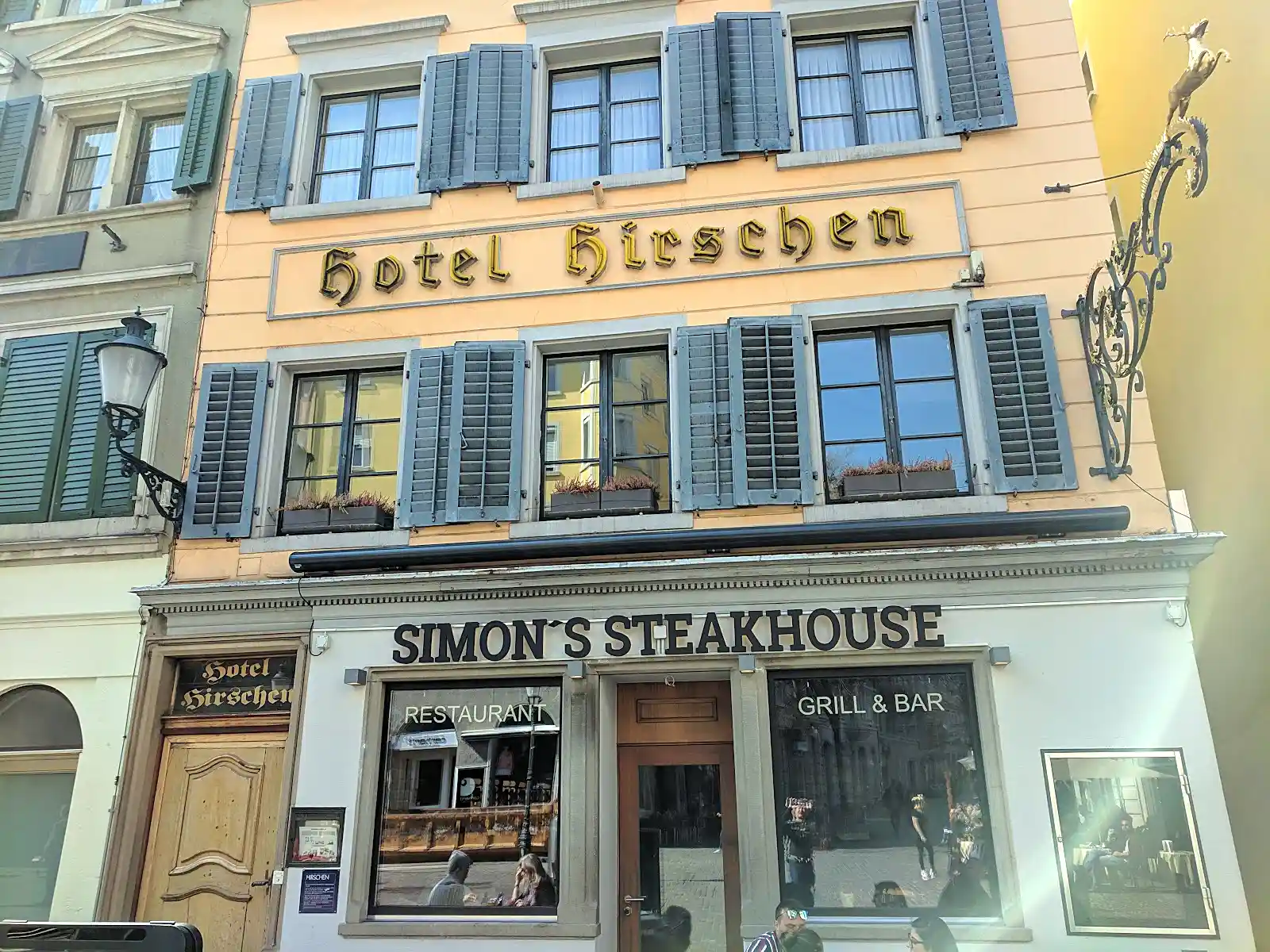
Day one is for landing, sleeping and a slow walk through the old town. Do not book anything timed. Jet lag does not read itineraries. Day two is Zurich proper: the old town, the lakefront and one museum, with a long lunch as the fixed point. Day three is a train to Lucerne, a short ride, then the old town and the lake in whatever light you get.
If you land in the winter holiday season, the Christmas markets in Zurich and Basel are worth planning around, but confirm dates for the year you travel. Market calendars shift, and I would not book a night on a date I had not checked.
Days 4 to 6: Interlaken as the mountain base
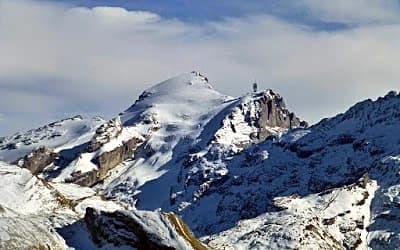
On day four, move once. Take the train to Interlaken and drop your bags. Interlaken works as a base because trains, buses and lake boats fan out from it, and because you can sleep in one bed for three nights. Day five is your big mountain day. Jungfraujoch is the usual choice and it stays open in winter, but visibility decides everything, so choose the day after checking the forecast, not the day you arrive. Day six is the softer option: a lakeside walk, a small village by train, or a spa afternoon.
Here is where the buffer earns its keep. Mountain weather changes on its own schedule, and no app has convinced it otherwise. If day five is cloud, swap it with day six. That is only possible because you built the swap in.
Day 7: the buffer day and the way out
Day seven is for the airport. Leave for Zurich the morning before an afternoon flight, not the morning of. I am an IIT engineer with eighteen years in product, and I have still missed a connection by over-optimising a transfer. The lesson took one train. It did not need a second.
What closes, what shortens and what keeps running
Winter in Switzerland is not a shutdown. It is a different timetable. Trains keep running and are the most reliable part of the plan. Most of the disruption sits on the edges: the lifts, the boats and the passes. That is good news, because it means the skeleton of the trip is sturdy and only the extras need checking.
Here is what to check before you commit:
- Mountain lifts and cable cars. Many run winter timetables with earlier last descents. Some close between seasons for maintenance.
- Lake boats. Services on the bigger lakes thin out in winter. A boat day you saw on a summer blog may not exist.
- High passes. Roads over the higher passes close for the season. Trains and tunnels are the winter route.
- Scenic trains. Panoramic lines usually keep running but on reduced schedules. Reserve seats and read the timetable for your date.
- Hiking trails. Many summer trails are under snow. Ask what has been prepared for winter walking before you plan a hike.
Check each one on the operator's own site for your exact date. Timetables change, and a blog post from last year is not a timetable.
⚠️ Daylight is the constraint
Winter days are short and mountain views need light. Schedule the one thing you care most about for late morning, and treat evenings as dinner time, not sightseeing time.
Rule of thumb: one big thing before lunch, nothing critical after
Rule of thumb for any Swiss winter day: one big thing before lunch, one small thing after, and nothing you cannot skip at the end. The big thing is the mountain, the museum or the train ride. The small thing is a lake walk or a market. The end of the day belongs to dinner.
This is also how you decide about a Swiss Travel Pass. Add up the trains you will really take on your dates, using current fares, and compare the total against the pass. On a two-base trip with one long move and a couple of day trips, a point-to-point ticket or a regional pass can win. On a trip with a lot of moving, the pass wins. Do the sum before you buy. Nine times out of ten, the sum is the whole decision.
What Vani does for a Swiss winter trip, and what she doesn't
Vani, G8Trip's AI assistant, can build the seven-day skeleton in a conversation: two bases, a day-by-day plan and a swap day. She can search live flights into Zurich and hotels in Zurich, Lucerne or Interlaken with the filters you care about, such as free cancellation, and pull a full booking checklist so nothing is left for the night before. If you tell her your budget, she can flag where the plan overspends. You can start a plan on the G8Trip plan page.
What she does not do is read a mountain railway's operating calendar for your dates and promise it will run. Confirm lift and boat timetables on the operator's site before you pay for anything that cannot be refunded. (Yes, an AI can do a lot of this. No, it cannot make a cloud go away. Nobody has solved that one.) For more destination context, the G8Trip travel guide is a good next stop.
How many days do you need for Switzerland in winter?+
Is a Swiss Travel Pass worth it in winter?+
Does Jungfraujoch stay open in winter?+
What should I book first for a Swiss winter trip?+
Book it. The itinerary was good enough two bases ago, and the snow will not wait for a third hotel comparison.
Ready to plan your trip?
Let Vani, our AI travel assistant, build your perfect itinerary.
Start planning for free →