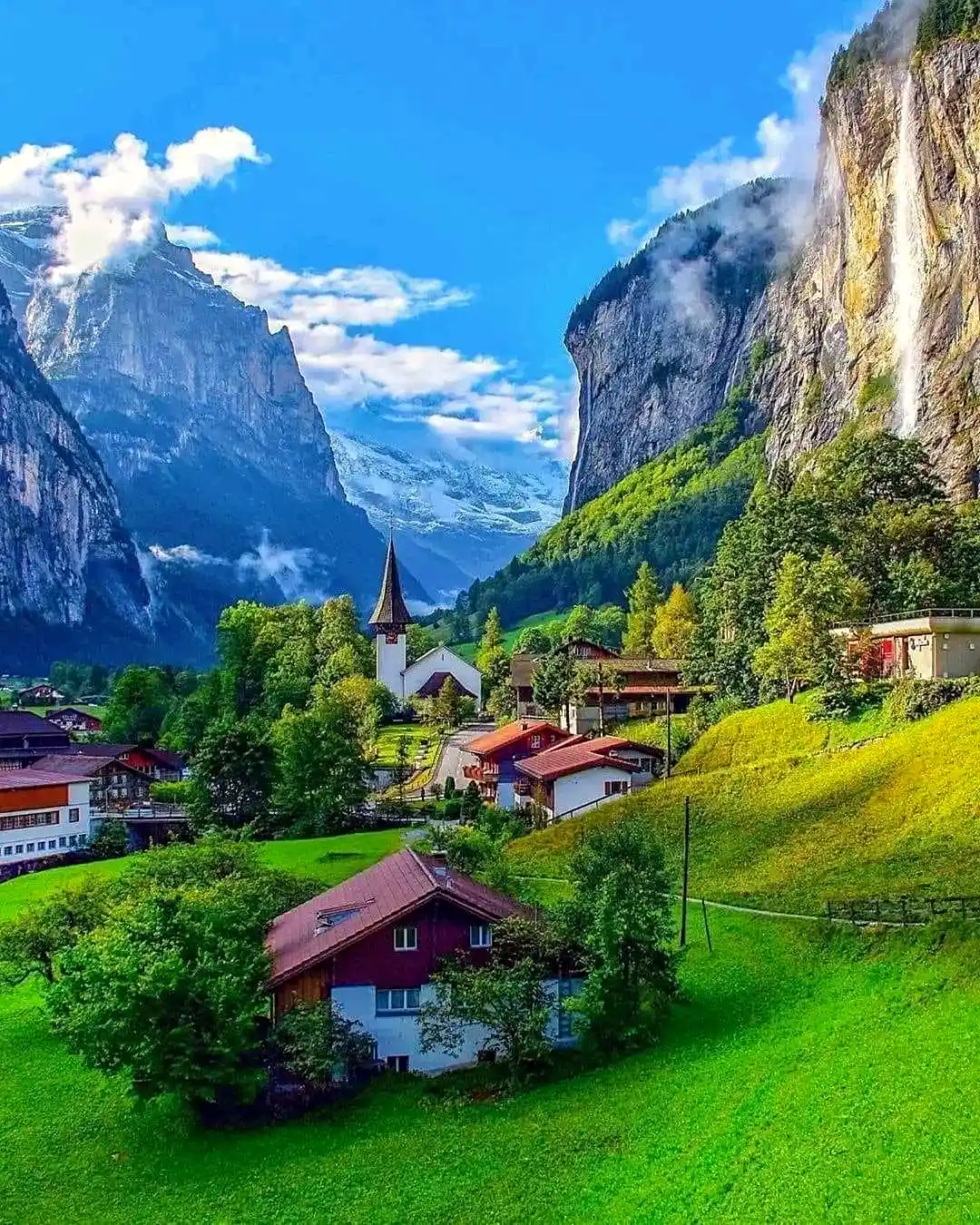
Your Switzerland Itinerary Probably Has Too Many Cities
The average Switzerland itinerary that circulates online includes Zurich, Bern, Lucerne, Interlaken, Zermatt, and Geneva — in nine days. That's six cities in nine days, which means most of them get one night each, which means you spend roughly equal time checking into hotels and catching trains as you do actually being in Switzerland.
Switzerland is not a city-hopping destination. The cities are pleasant and occasionally beautiful, and they are entirely not the reason anyone travels here from India. The reason is the Alps. The mountains, the lakes, the cable cars that take you above the cloud line, the rack railway that climbs to 3,454 metres at Jungfraujoch — what the Swiss railway calls 'the top of Europe.' The cities are the supporting cast.
A good switzerland itinerary starts by picking two or three base locations — not six — and building day trips out from them. The Swiss rail network connects everything efficiently enough that you don't need to change hotels every night to see the country. You just need a better plan.
💡 The Base-Camp Approach
Pick two bases: Interlaken for the Bernese Oberland (Jungfraujoch, Grindelwald, Lauterbrunnen Valley), and either Lucerne or Zurich for central and northern Switzerland. Add Geneva only if you're flying out from there. Three hotels, nine to ten days, and most of what makes Switzerland worth the long flight from India.
The Switzerland Itinerary Question Nobody Asks: Base or Move?
Most European travel defaults to hub-and-spoke: pick a base city, do day trips, return in the evening. Most Switzerland itineraries instead become a tour of hotel lobbies, with a different one each night. This works in countries where cities are the draw. In Switzerland, the draw is almost always outside the cities.
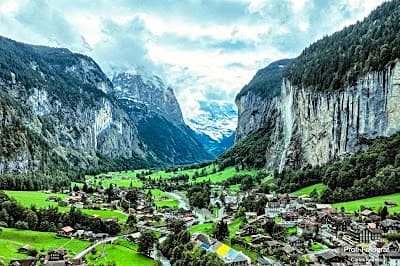
The Jungfraujoch requires a full day from any base — the cog railway ride from Grindelwald takes roughly two and a half hours each way, and visibility at 3,454 metres is better in the morning before cloud builds. Zermatt is car-free, requires at least a full day to do the Matterhorn views properly, and getting there means a train plus a connecting narrow-gauge railway into the valley. The Lauterbrunnen Valley, known for its 72 waterfalls including the Staubbach Falls which drops over 300 metres from a cliff face, deserves a full morning minimum.
None of these justify moving hotels every day to get there. Interlaken sits at the geographic centre of the Bernese Oberland and makes the most efficient base for three to four days of Alpine activity. Lucerne does the same for central Switzerland's lakes and mountains. Build your switzerland itinerary around these two bases and the whole country becomes a series of manageable day trips instead of a daily logistics exercise.
How to Sequence the Cities You Actually Need
Zurich — Entry Point, Not Destination
Most long-haul flights from India land in Zurich. Spend one night, recover from the journey, and walk the old town (Altstadt) and the Bahnhofstrasse the next morning. Zurich is expensive, well-designed, and entirely pleasant — it also requires about one and a half days of genuine attention, not three. Pick up your Swiss Travel Pass at the Zurich airport arrivals hall if you're planning heavy train use; it's meaningfully cheaper bought in advance from India through authorised agents than at Swiss station counters.
From Zurich, Lucerne is about an hour by train. That's your next stop.
Lucerne — The Most Efficient Base in Northern Switzerland
Lucerne's old town takes about two hours on foot: the Chapel Bridge (Kapellbrücke), the Water Tower, the medieval walls, and the Lion Monument. That covers the city itself. The reason to stay three nights rather than one is the day trips: Mount Pilatus by cogwheel railway and cable car (a full day), Mount Rigi by rack railway, and the Rhine Falls at Schaffhausen (Europe's largest waterfall by volume) are all accessible without changing hotels.
Two nights if you're keeping things tight. Three if you want the day trips without feeling like you need to run for the last train back.
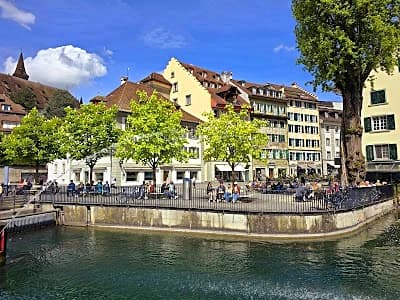
Interlaken: The Place Most Switzerland Itineraries Under-budget
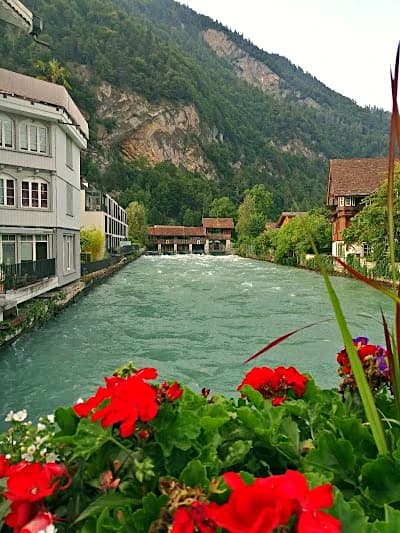
Interlaken sits between Lake Thun and Lake Brienz, at the foot of the Bernese Oberland. From here: Grindelwald is 35 minutes by train and gives direct views of the Eiger's north face. Lauterbrunnen, the waterfall valley, is 20 minutes away. Jungfraujoch — 3,454 metres, the highest railway station in Europe — takes a full day including the cog railway journey from Grindelwald or Lauterbrunnen.
Give Interlaken three nights if you're doing it seriously. Day one: Grindelwald and a walk with Eiger views. Day two: Jungfraujoch (book the morning train). Day three: Lauterbrunnen Valley and the village of Mürren, accessible by cable car above the valley floor. On none of these days will you be back before 6pm.
The Interlaken area rewards staying put. The mountains change hour by hour with the light, and seeing the Bernese Oberland properly — rather than as a blur from a train window on the way to the next hotel check-in — requires time you can only create by not moving.
⚠️ Book Jungfraujoch Before You Land in Switzerland
The Jungfraujoch rack railway should be booked before you arrive, not the evening before from your hotel in Interlaken. Morning departure trains — before 9am — give the best visibility at the summit before cloud typically builds above 2,500 metres. The Swiss Travel Pass provides a discount on the Jungfraujoch surcharge but does not cover the full cost; budget separately for it.
Rule of Thumb: Book the Mountain Train First, Then Build Around It
Every other element of a Switzerland itinerary is flexible. Jungfraujoch, the Gornergrat rack railway in Zermatt, the Pilatus cogwheel railway from Lucerne — these are the fixed points. Book them first, then fill in the hotel nights around them.
The logic is practical: the mountain railways have limited capacity, run on fixed schedules, and fill up weeks ahead during peak summer and the Christmas period. Every other decision — which old town to wander, whether to add a day in Bern, what to eat in the train station — has no such constraint.
I once built a Switzerland itinerary in reverse: city hotels first, mountain days left to chance. The Jungfraujoch was sold out for the days I had. I took the Schilthorn instead — a different summit, the one with the rotating restaurant featured in a Bond film, fewer crowds, and genuinely excellent views of the Eiger, Mönch, and Jungfrau. It was a good day. I still should have booked in advance.
What Vani Can Do for Your Switzerland Trip Plan
Vani, G8Trip's AI travel assistant, builds the complete day-by-day itinerary for your Switzerland trip, searches live flights into Zurich (or Geneva for a one-way entry/exit configuration — fly in one end, fly out the other), and finds hotels in Zurich, Lucerne, Interlaken, and Zermatt with real availability and pricing.
For Switzerland specifically: Indian passport holders require a Schengen visa, since Switzerland is part of the Schengen Area. Vani provides the current visa requirements for your nationality and links to Atlys for the application process, including documentation checklist and processing time guidance. Apply well in advance — the Swiss consulate in India recommends submitting at least 6–8 weeks before travel.
For activities — Jungfraujoch bookings, Pilatus day trips, Swiss Travel Pass purchase, and paragliding over Interlaken if that's a consideration — Vani generates booking links via Klook and partner sites.
One thing Vani doesn't automatically optimise for: weather windows for mountain visibility. That's a check worth doing yourself, two or three days before, using the forecasts specific to the peak you're targeting. Summit visibility is the variable that determines whether Jungfraujoch is the highlight of the trip or a very expensive cloud.
Plan your Switzerland itinerary with Vani before the morning mountain trains sell out.
How many days should I spend on a Switzerland itinerary?+
Do Indians need a Schengen visa for Switzerland?+
Is the Swiss Travel Pass worth it for a 10-day trip?+
What's the best base for a Switzerland first-timer?+
Switzerland will not surprise you — it will deliver exactly what it promised, precisely on time, at a price that will make you briefly reconsider your life choices. The mountains are worth it. Book the trains early.
Ready to plan your trip?
Let Vani, our AI travel assistant, build your perfect itinerary.
Start planning for free →