
A USA Road Trip Itinerary Falls Apart Without Buffer Days
Every USA road trip itinerary on Pinterest covers eleven states in twelve days. Someone drew that map once, felt proud of it, and four hundred blogs have copied the route since without checking whether it's survivable. It isn't. You will spend more hours behind the wheel than in front of anything worth photographing.
ℹ️ The Short Answer
Pick one region — West Coast, Southwest desert, or the Northeast — and give it 10 to 14 days. A USA road trip itinerary that tries to cover the whole country in two weeks turns into a windshield tour. You'll remember gas stations better than national parks.
The Right Length for a USA Road Trip Itinerary Is Shorter Than You Think
The instinct is to maximise the trip — one flight in, one flight out, everything else crammed between. It's the wrong instinct. A USA road trip itinerary is bound by drive time in a way a flight-based trip isn't. Between two cities in Europe you fly. Between two cities in the American West, you're on the interstate for six hours, watching the same three radio stations repeat.
Rule one: pick a region, not a country. West Coast (San Francisco to Los Angeles, inland to the desert parks). Southwest (Vegas, Grand Canyon, Zion, Bryce). Northeast (Boston to DC, with New York in between). Each of these works as a 10–14 day loop without a single day that's pure driving.
The cross-country version — coast to coast in two weeks — is a different trip. It's a driving trip that happens to pass through some good scenery, not a scenery trip you drive between. Nothing wrong with that, if that's actually what you want. Most people say they want the second thing and plan the first, then wonder on day four why the only photos on their phone are of rest stops.
The fix isn't more willpower. It's picking a smaller map before you start.
Build the Route Backwards From Drive Time, Not Attractions
Most itineraries get built forwards: list everything worth seeing, then figure out how to connect the dots. Flip it. Start with how many hours a day you're honestly willing to drive — for most people on holiday, that's three to four, not eight — and build outward from there. A route built around attractions treats drive time as an inconvenience to minimise. A route built around drive time treats attractions as the reward for a sensible day, which is closer to how the trip will actually feel once you're in it.
Vani supports road trips as a distinct trip type for exactly this reason: the planning logic for a drive-your-own-route trip is different from a fly-and-explore one. Tell it the days, the starting city, and how you want to travel, and it works out stops that respect drive time instead of ignoring it.
The West Coast Loop That Doesn't Overreach
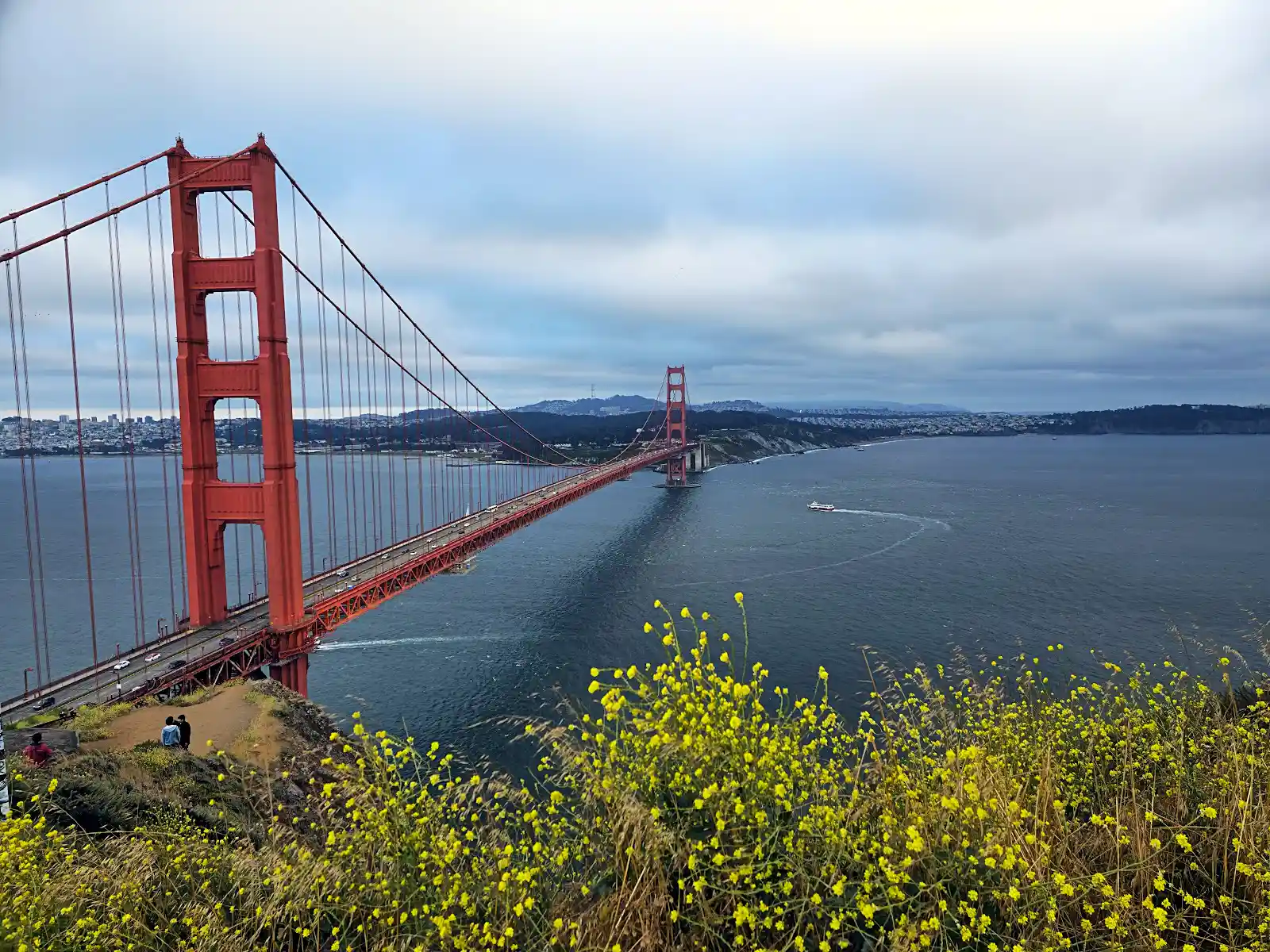
San Francisco (2 days) → drive to Yosemite (2 days, roughly four hours each way) → Las Vegas (2 days, about a nine-hour drive, split it) → Grand Canyon (2 days) → back to Los Angeles (2 days) to fly out. Twelve days, five stops, no single driving day over five hours. It covers desert, mountains, and two very different cities without pretending they're the same trip.
The version most people actually try to build adds a sixth stop — usually San Diego or Zion — because it looks close on the map. It isn't close in drive time. That's the gap this whole article is about.
Why the Cross-Country Version Usually Gets Cut Short
I hold a B.Tech from IIT Kanpur, eighteen years in product, and I've still built an itinerary with too little buffer between two driving days and paid for it — a missed check-in, a service station dinner, a night that didn't look like the plan. Everyone does this once. The lesson isn't that route-planning is pointless. It's that even a well-mapped trip needs slack, because the map doesn't know about roadworks, weather, or how tired you'll actually be on day nine.
A cross-country route has fourteen of those days back to back. One bad stretch compounds into the next. That's why most people who set out to drive coast to coast end up shipping the car and flying the last leg — not because they failed, but because the itinerary never had room to absorb a bad day. A shorter, regional route can absorb one bad day and barely notice. A coast-to-coast route can't absorb any.
The Rule of Thumb: One Big Stop, One Buffer Day, Every Four Days
💡 The Four-Day Rule
For every four days of driving and sightseeing, build in one day with nowhere to be. No checkout time, no reservation, no route. It's the single change that turns a road trip itinerary from a schedule into an actual holiday.
This is the rule of thumb worth remembering above all the specific routes: total trip cost isn't just fuel and hotels, it's also decision fatigue, and decision fatigue is what makes day nine of a road trip feel like a chore instead of a highlight. A buffer day isn't wasted time. It's the day that keeps the other thirteen from blurring together.
Apply it loosely. A four-day cycle doesn't need to land on the calendar exactly — it's a ceiling, not a schedule. If the itinerary has gone six straight days without one, that's the number to fix before you fix anything else on the route.
What Vani Actually Does for a Road Trip Like This
Vani builds the day-by-day structure — stops, drive segments, accommodation areas — when you tell her the starting city, the days, and whether you want relaxed or packed pacing. For longer routes, she breaks the trip into phases and plans each chunk on request, which matters more on a road trip than almost any other trip type, since a 14-day plan built all at once tends to ignore how tired day nine actually feels.
She'll also find hotels along your route with live pricing (filtered by things like free cancellation or pool, which matters after a long driving day), pull the weather for each stop so you're not caught out by a mountain pass in the wrong month, and find nearby ATMs, restaurants, or pharmacies once you're actually there. Ask her to swap two nights in Vegas for one extra night at the Grand Canyon and she'll rebuild the route around it, not just the hotel list.
What she won't do is book the rental car itself — that's still a step you complete yourself, same as every other booking. She'll get you organised for it, not do it invisibly behind your back, which is honestly how it should work for something you're driving yourself.
Where to Fit the Detour Nobody Plans For
Ask ten people what they'd change about their last USA road trip and at least six will mention a stop they wish they'd skipped in favour of one they added on a whim — a diner, a scenic overlook, a state park with no Instagram presence. Build one unplanned half-day into the itinerary on purpose. Not a full buffer day, just a gap where you can say yes to whatever the last town recommended.
If you want a wider planning reference before you lock the route, the G8Trip travel guide hub has region-specific breakdowns that go deeper than a single blog post can.
How many days do you need for a USA road trip itinerary?+
What's the best time of year for a USA road trip?+
Can I do a USA road trip without flying in with my own car?+
How do I stop myself from overpacking the itinerary?+
Does Vani help plan road trips specifically?+
Somewhere on day nine, tired, slightly sunburnt, arguing about whether the diner or the drive-thru is the better call, you'll understand why the buffer day exists. Build it in now. Future you, holding a gas station coffee at 6am, will not thank you for it out loud — but they'll also not be late.
Ready to plan your trip?
Let Vani, our AI travel assistant, build your perfect itinerary.
Start planning for free →