


Offbeat Mexico Hidden Towns That Beat the Cancun Crowd
Every Mexico itinerary a DIY traveller builds looks roughly the same: Cancun, maybe Tulum, a day trip to Chichen Itza wedged between beach days. None of it is wrong, exactly. It's just the same seven days everyone else is having, at the same resorts, booked off the same three blog posts, with the same all-inclusive wristband photo at the end. Mexico has 32 states. Most itineraries use two of them, and both are on the coast — which is exactly the gap offbeat Mexico hidden towns fill, largely because nobody's competing with you for a table.
ℹ️ The short answer
San Miguel de Allende, Oaxaca City, and the Copper Canyon region give you colonial architecture, real food culture, and mountain scenery the beach resorts were never built to offer — none of it requires a resort transfer bus or a swim-up bar to enjoy.
Why Offbeat Mexico Hidden Towns Don't Make the First Ten Search Results
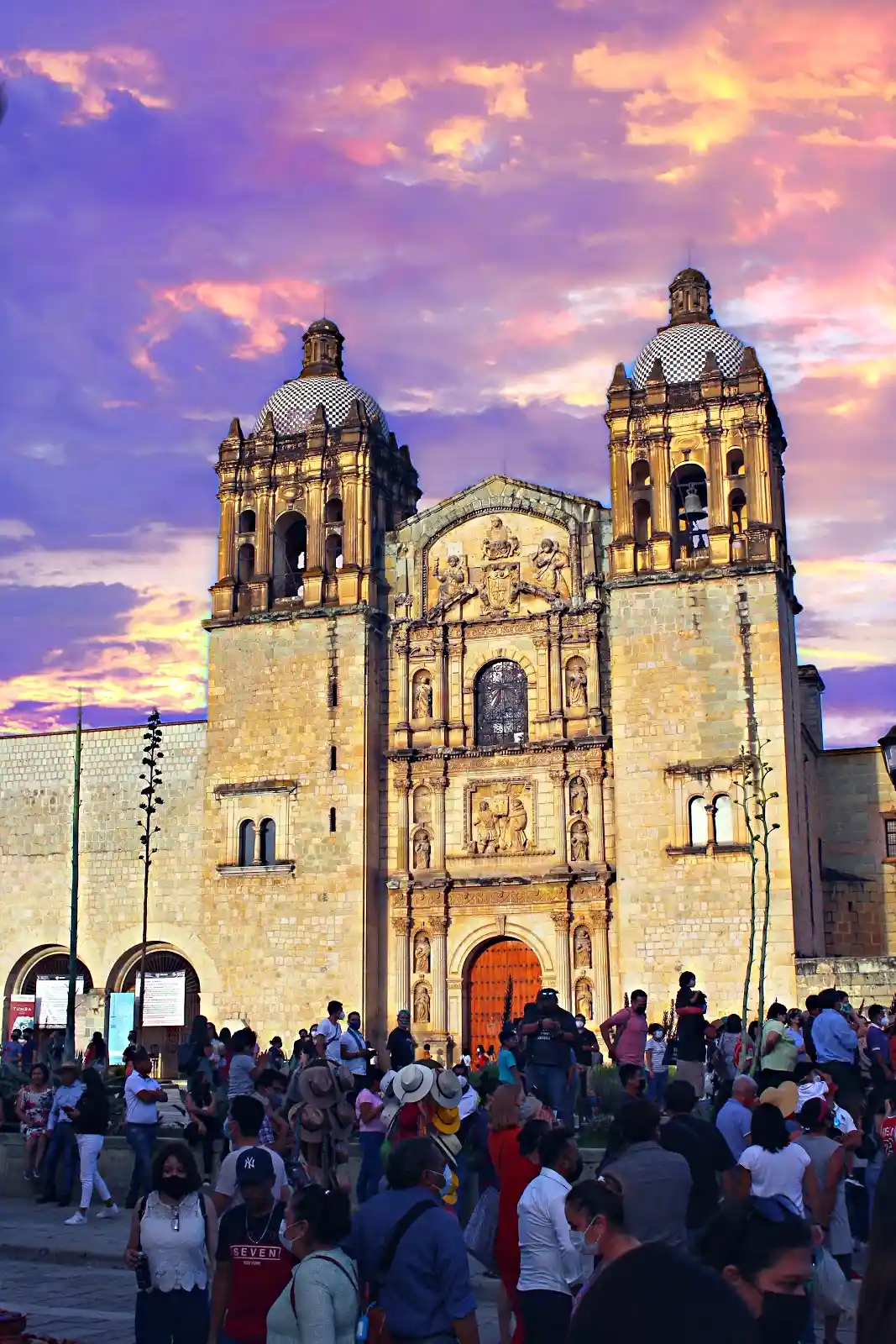
Search "Mexico itinerary" and the results skew almost entirely coastal — Cancun's hotel zone has the affiliate-link infrastructure, the all-inclusive packages, and the sheer volume of past bookings to dominate anything algorithmic. Offbeat Mexico hidden towns don't compete on that metric because they were never built for volume. San Miguel de Allende and Oaxaca City grew as colonial silver and trade towns centuries before anyone thought to build a swim-up bar, and that's exactly why they still look the way they do — cobblestone streets, church domes, markets that sell to residents first and tourists second.
The trade-off is real: you won't get an overwater villa or a lazy river. What you get instead is a version of Mexico that isn't optimised for a two-week resort stay, which — depending on what you actually wanted from the trip — might be the better deal. It's also, practically speaking, a cheaper one: inland colonial towns run on domestic pricing, not resort-corridor pricing, since the local economy isn't built around foreign wristbands.
Three Towns Worth Rerouting the Whole Trip For
San Miguel de Allende — Colonial Streets Without the Cruise-Ship Crowd
San Miguel de Allende sits in Mexico's central highlands, about four hours from Mexico City by road, and looks the way most people picture "colonial Mexico" without having been able to name the town. Pink stone church facades, courtyard restaurants, a Tuesday market that locals actually shop at. (Try this first: walk the town before 9am, when the light hits the church facade and the streets still belong to residents heading to work rather than tour groups heading to breakfast.) It's popular with expats and domestic tourists, which keeps it lively — just not overwhelmed the way a coastal resort town gets in peak season. Give it three full days minimum; anything shorter and you'll spend most of it deciding which courtyard restaurant to commit to.
Oaxaca City — Where Mexican Food Culture Actually Lives
Oaxaca City is the reason Mexican food writers get defensive about the word "authentic" — seven distinct mole varieties, a market economy built around them, mezcal production that predates most of the country's tourist infrastructure by centuries. It sits inland, roughly a short flight or a long bus ride from Mexico City, and rewards slow travel more than a checklist trip: a few days here means market breakfasts, a cooking class or two, and evenings that don't revolve around a resort schedule. The Monte Alban ruins sit a short drive outside town, which means you can get a genuine archaeological site and a mezcal tasting into the same day without either feeling rushed — a combination Cancun's day-trip circuit doesn't really offer.
Copper Canyon — Bigger Than the Grand Canyon, and Nobody Mentions It
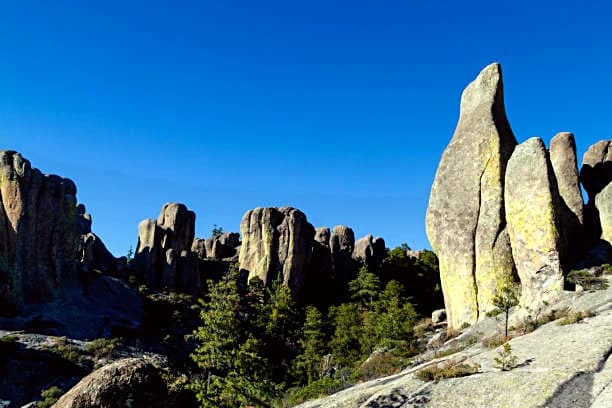
Copper Canyon, in Chihuahua state, is a system of canyons larger and deeper than the Grand Canyon, crossed by a rail line — the Chepe train — that most international travellers have never heard of despite it being one of the more dramatic train journeys on the continent. This one takes actual planning: it's remote, the rail schedule is limited, and it's not a bolt-on to a beach trip. It's a trip in itself, which is exactly why it stays quiet. Budget four days minimum if you want to actually get off the train at the canyon-rim stops rather than just watching the scenery through a window — the views are worth the extra planning, but only if you build in the time.
The Rule of Thumb for Picking a Town Over a Beach
Rule of thumb: if the destination's entire pitch fits in one Instagram carousel, it's probably not offbeat anymore — it's just under-marketed for another eighteen months. San Miguel de Allende and Oaxaca City are past that point now; Copper Canyon largely isn't, mostly because getting there still takes more effort than booking a resort. Honestly, the simplest filter is logistics: anywhere reachable by a direct flight and an airport shuttle has already been found. Anywhere that needs a connecting flight, a bus, or a train usually hasn't — yet. Fair enough if that sounds like more work than a beach week. It is. It's also the version of the trip most people describe years later, while the resort week mostly gets described as "nice." None of this means skip Cancun forever — it means don't let it be the only chapter. A ten-day trip that opens with three nights on the coast and closes with four in Oaxaca covers both versions of the country without pretending either one is the whole story.
What Vani Actually Does (and Doesn't) With an Offbeat Mexico Route
A traveller planning a week in Mexico beyond the coast will typically have open three flight tabs, two colonial-town blog posts written by people who visited once in 2018, a Reddit thread arguing about which mole is the "real" one, and a Google Maps session with pins in the wrong state. None of these tabs talk to each other. Ask Vani, G8Trip's AI travel assistant, to build a trip around San Miguel de Allende, Oaxaca, or the Copper Canyon route instead, and it'll slot them into a day-by-day plan alongside flight and hotel search — not just a list of towns with no logistics attached. It can also pull the visa requirements for Indian passport holders and surface an eSIM option before you land, which matters more in a town without a tourist help desk on every corner than it does in Cancun's hotel zone. What it can't do is guarantee the Chepe train runs on schedule that week, or that the Tuesday market in San Miguel will have what you're hoping for — some of Mexico's offbeat towns run on their own clock, and no itinerary tool has fixed that yet. Plan the actual route with Vani and treat the timings as a strong starting point, not a guarantee. If the coastal version of Mexico is more your trip, the Mexico itinerary guide covers CDMX through the Yucatan instead.
How many days do I need for San Miguel de Allende and Oaxaca together?+
Is the Copper Canyon train trip worth it if I only have one week in Mexico?+
Are these offbeat Mexico towns safe for solo travellers?+
Can Vani help plan a route between these towns and Mexico City?+
Do these towns require a different visa than a Cancun beach holiday?+
Cancun will still be there when you're done, exactly as beach-shaped as you left it. Mexico's other thirty states have been waiting considerably longer, and they're in no hurry either.
Ready to plan your trip?
Let Vani, our AI travel assistant, build your perfect itinerary.
Start planning for free →